Could Residential Care for Bognor Regis Make Winter Safer?
Wintertime might feel like a long way off, but there are several reasons why families are looking at residential care for Bognor Regis now. Perhaps a loved one was recently discharged from hospital. Maybe the nights are drawing in and…


Wintertime might feel like a long way off, but there are several reasons why families are looking at residential care for Bognor Regis now. Perhaps a loved one was recently discharged from hospital. Maybe the nights are drawing in and your father is no longer comfortable going outside alone. Or maybe the absence of regular contact with family and friends means that your mother is more isolated as things return to “normal”. If you are thinking about moving an elderly relative into residential care, then preparing ahead of winter will help you to plan a successful transition.
The goal is to avoid a rushed decision. Instead, families are encouraged to watch for shifts in circumstances and ask questions early on to allow the resident time to adjust.
Spot changes and assess care before winter
In September, it may still be possible to manage at home, but there are likely to be hints of trouble. You may observe that your parent is becoming increasingly reluctant to climb stairs, or unable to remember their medication schedule (visit this page), or nervous about leaving the house once it gets dark. A recent fall, missing medications, or difficulties maintaining a warm house could all point towards a potentially unstable winter.
You may notice signs of decline during your next visit. Perhaps the fridge is less stocked than normal, the washing isn’t being done, or your mother hasn’t been on her favourite seaside stroll since the weather turned. These are the signs that suggest it’s time for a gentle discussion about the prospect of moving to residential care. Rather than starting with the question “When are we going to move you?” try something like:
· What parts of the day feel challenging or unsafe for you?
· How do you feel in the evening? Are you lonely?
· Do you find it difficult to wash, dress, cook or take your medications?
· Do you feel that having regular visitors would help?
· What activities would you like to continue?
Moving to a retirement home doesn’t mean you’ll lose every aspect of your life you currently enjoy. Your objective should be to choose a facility that helps you maintain your daily routines and your individual personality.
Focus on the resident experience during the visit

When choosing a residential care home Bognor Regis, visit in October to see how the facility is used by residents and staff throughout the day. Observe whether staff seem to know the residents well, and look for evidence of the residents’ individuality, such as the food they eat or how they interact with each other.
If possible, visit during mealtimes or group activities to observe the atmosphere and quality of interactions between residents. Ask if the home allows residents the freedom to continue with their own schedules, or if it is heavily regimented. You may wish to ask the manager whether residents can continue to use their current GP, especially if they have an existing relationship.
This can provide extra peace of mind if the resident already has established medical relationships and ongoing prescriptions. The manager should be able to explain how the home coordinates GP appointments, medication adjustments, and communication with family members. There’s also the question of practicalities.
If someone uses a walking frame or a wheelchair, the staff need to ensure the room is big enough and the route to the bathroom is clear of obstacles to prevent furniture from blocking access. It should also be easy to ask questions that some people might find awkward, such as what happens if someone falls ill or if families need updates on a loved one. Can relatives visit freely from places like Chichester, or if they walk past the home?
Prepare the room around familiar routines
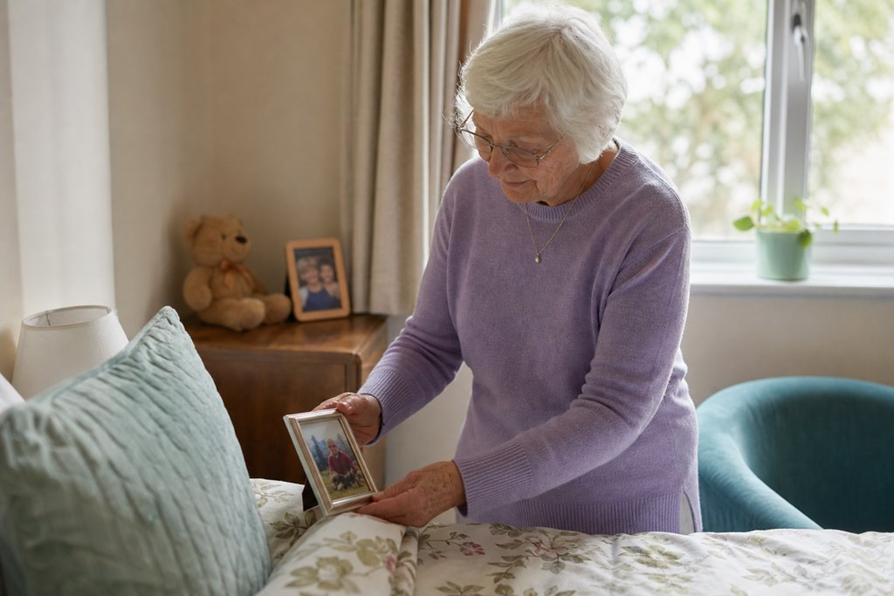
The process starts to shift once a move has been agreed. Paperwork begins to give way to the reality of what the room will look like. Having familiar items in a bedroom will make it feel less strange. It could be family photographs, a favourite blanket, a familiar chair if there’s room, or a radio they use to listen to their favourite programme.
There’s no need to bring all belongings from the start. Bring what’s important first and let the person choose where they want to have it. This allows them to take some control, which could be just as meaningful as perfect decor.
Also prepare a list of things the person needs, such as their preferred wake-up time, food dislikes, hearing and sight requirements, or the activities they love on a dull day. Check which medications and mobility aids they will bring and what will be supplied by the care home. Allow seven days to settle in before expecting a new routine to feel normal.
Also review the contract ahead of time to ensure you understand the terms, such as any fees, notice period, and what’s included in the weekly price.
It can also be good to ask about how they deal with extreme weather, power outages or staffing issues, so you know what to expect during the winter months.
Keep routines steady through the festive period
Christmas time can be tough for many, but especially those who’ve only just moved to a new home. Familiar traditions might have to change, but that doesn’t mean they’ll cease altogether. A special Christmas dinner, cards from the neighbours, a family visit or even a small festive decoration could make all the difference.
For others, the best form of support is a stable day; a breakfast at their preferred time, watching their favourite TV show, having a chat, or being comforted during the long nights. Some may prefer group activities and festive events – research at https://ourworldindata.org/social-connections-and-loneliness. The key thing is they’re participating of their own free will. Families can help by letting the staff know what usually means the most during this period; perhaps it is music, religion, particular foods, or simply spending the day quietly.
Before the temperature drops
A carefully planned move gives everyone more freedom. Begin by talking about any anxieties, organise visits that match their daily life, and make sure their routines remain front and centre throughout the process. Create a shortlist of questions for your first visit and take it with you.