CoQ10 Supplement: Fuel Your Heart and Energy From Within
Every cell in the human body requires energy to function, and the mitochondria — the organelles responsible for producing that energy — cannot operate without coenzyme Q10. This fat-soluble compound sits at the heart of the electron transport chain, the…


Every cell in the human body requires energy to function, and the mitochondria — the organelles responsible for producing that energy — cannot operate without coenzyme Q10. This fat-soluble compound sits at the heart of the electron transport chain, the biochemical sequence that converts nutrients into adenosine triphosphate (ATP). Without adequate CoQ10, mitochondrial efficiency drops, cellular energy falls short, and the consequences ripple outward into every organ system that depends on high energy output.
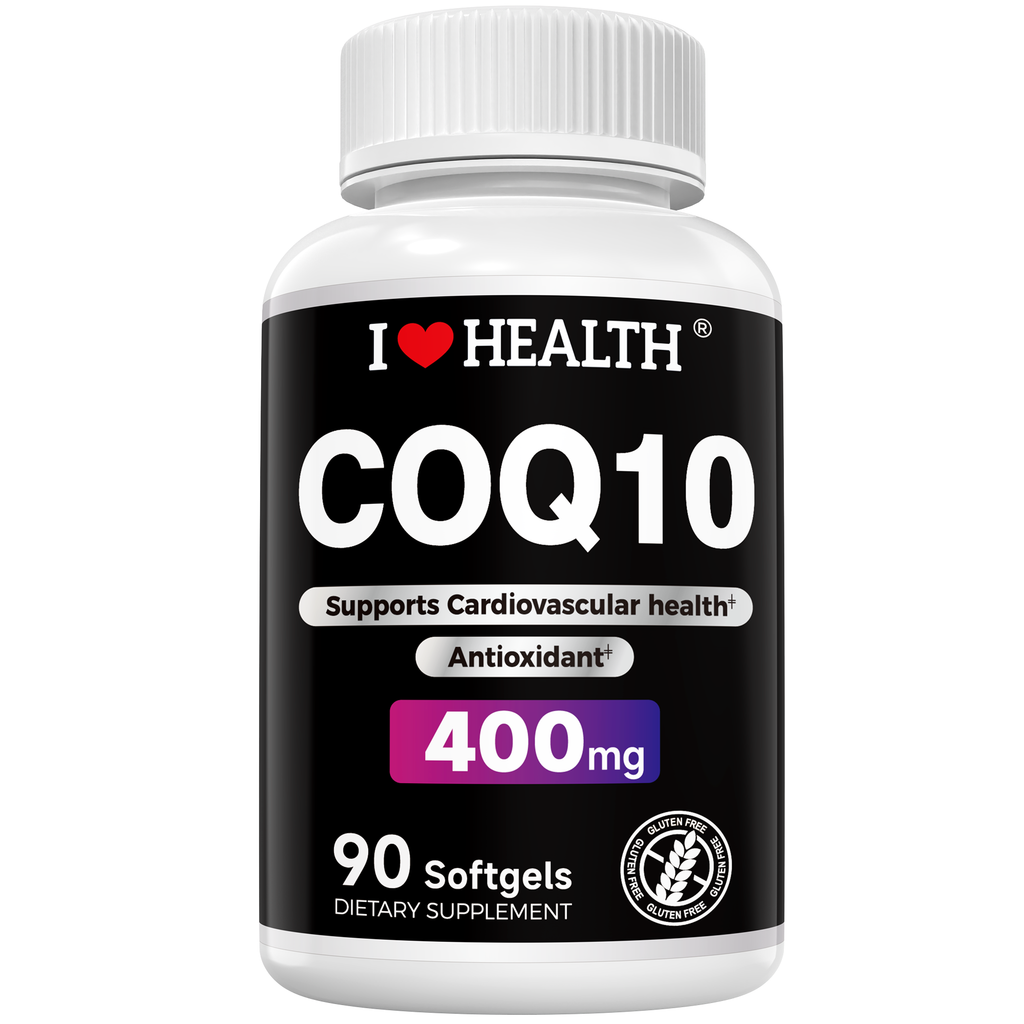
The heart muscle, brain, and liver are among the organs with the highest CoQ10 concentrations in the body, and also among those most sensitive to CoQ10 depletion. Natural production declines with age starting in the mid-twenties, and certain medications — most notably statins, which are among the most widely prescribed drugs globally — directly interfere with CoQ10 synthesis. A coq10 supplement has become a practical tool for maintaining adequate levels in populations where depletion is likely. iLoveHealth’s CoQ10 400mg softgel formulation offers a high-potency option for those who want to support heart health and cellular energy with meaningful, research-aligned doses.
The Science Behind CoQ10’s Role in the Body
CoQ10 exists in two main forms within the body: ubiquinone (the oxidized form) and ubiquinol (the reduced form). These two forms cycle back and forth as CoQ10 accepts and donates electrons in the mitochondrial respiratory chain. Younger, healthier individuals convert ubiquinone to ubiquinol efficiently, but this conversion becomes less reliable with age, which is why some researchers argue that ubiquinol supplements may offer advantages for older adults.
Beyond its role in ATP production, CoQ10 functions as a potent fat-soluble antioxidant. In its reduced ubiquinol form, it neutralizes free radicals and protects cell membranes and lipoproteins from oxidative damage. LDL cholesterol particles, which are particularly vulnerable to oxidation, carry CoQ10 as part of their antioxidant defense. This protective function explains part of the interest in CoQ10 for cardiovascular health — not only does it energize heart muscle cells, it also helps defend arterial walls and circulating lipids against the oxidative stress that drives atherosclerosis.
The compound was first isolated in 1957 by Frederick Crane at the University of Wisconsin, and the Japanese scientist Yamamura conducted the first clinical use for heart failure in 1967. Decades of subsequent research have refined our understanding of how CoQ10 depletion contributes to disease and how supplementation can restore function in deficient states.
Heart Health: Where CoQ10 Evidence Is Strongest
Heart Failure and Cardiac Output
The most robust clinical evidence for CoQ10 supplementation centers on heart failure. The Q-SYMBIO trial, a multicenter randomized controlled study, followed patients with severe heart failure over two years and found that those receiving CoQ10 alongside standard treatment had significantly lower rates of major cardiac events and cardiovascular mortality compared to those receiving placebo. Ejection fraction — a measure of how effectively the heart pumps blood — also improved in the CoQ10 group. These are not surrogate markers; they represent clinically meaningful outcomes for a population with serious disease.
The biological logic is straightforward. Failing heart muscle is characterized by mitochondrial dysfunction and energy deficiency. CoQ10 replenishment directly addresses this energy deficit, allowing heart cells to generate more ATP and contract more forcefully. Several smaller trials corroborate the Q-SYMBIO findings, and meta-analyses of the combined evidence consistently conclude that CoQ10 supplementation improves functional status in heart failure patients.
Statin-Associated Muscle Symptoms
Statins inhibit HMG-CoA reductase — the same enzyme that is the rate-limiting step in both cholesterol and CoQ10 synthesis. The result is that people taking statins produce less CoQ10 alongside less cholesterol, and blood and muscle CoQ10 levels fall measurably. Some people on statins develop myopathy — muscle pain, weakness, or cramps — and reduced CoQ10 availability in muscle mitochondria is among the proposed mechanisms. Clinical trials on CoQ10 supplementation for statin myopathy have produced mixed results, with some showing symptom improvement and others not, but the biological rationale remains sound and the safety profile of supplementation is excellent. Many clinicians recommend CoQ10 to patients on statins as a practical precaution.
Cellular Energy and Physical Performance
A coq10 supplement has also attracted interest in the context of physical performance and exercise recovery. Skeletal muscle cells rely heavily on mitochondrial ATP production during sustained exercise, and CoQ10’s role in the electron transport chain means adequate levels are necessary for maintaining output over time. Studies in athletes and recreational exercisers have examined whether CoQ10 supplementation reduces exercise-induced oxidative stress, speeds recovery, and delays the onset of fatigue.
Several randomized trials have shown that CoQ10 supplementation reduces blood markers of oxidative stress and muscle damage after intensive exercise. One study in trained athletes found that a combination of CoQ10 and selenium over five years resulted in significantly lower cardiovascular mortality compared to placebo — a remarkable finding from a long-term follow-up of a supplementation trial. For individuals whose physical activity places repeated oxidative demands on their muscles and cardiovascular system, maintaining CoQ10 status makes physiological sense.
Beyond elite performance, the fatigue that many middle-aged adults experience — particularly those on statin therapy — may partly reflect declining CoQ10 levels. Restoring adequate status through supplementation has been reported anecdotally and in smaller clinical trials to improve subjective energy and reduce fatigue, though large-scale trials specifically targeting this outcome remain limited.
CoQ10 Bioavailability and Formulation Considerations
CoQ10 is notoriously difficult to absorb from capsule or tablet formulations because it is a large, lipophilic molecule that requires fat for proper solubilization. Standard powder formulations in dry capsules have relatively low bioavailability, and the peak plasma levels they achieve are modest. Softgel formulations that dissolve CoQ10 in an oil base substantially improve absorption — some research suggests two to three times higher plasma levels compared to unformulated powder. This is why the choice of delivery format matters significantly when selecting a CoQ10 product.
Taking CoQ10 with a meal containing fat further enhances absorption. The compound’s lipophilic nature means it is absorbed through the same pathways as dietary fat — primarily via chylomicron incorporation in the intestinal lymphatic system. A breakfast or dinner that includes healthy fats is an ideal time to take CoQ10 softgels. Splitting a daily dose into two servings — morning and evening — can also smooth out the absorption curve and maintain more consistent plasma levels throughout the day.
Dose selection is influenced by the intended application. General wellness and antioxidant support are typically addressed with 100–200 mg per day. Statin users and those with specific cardiovascular concerns often use 200–400 mg daily. The higher 400 mg dose used in some heart failure research is at the upper end of common supplemental use and is generally reserved for therapeutic contexts under medical supervision. At any dose, CoQ10 is well-tolerated with an excellent long-term safety record extending over decades of clinical research.
CoQ10 levels in heart tissue peak in the early twenties and decline significantly by middle age. By the time most adults reach their fifties and sixties, tissue CoQ10 has dropped substantially compared to youthful levels. This age-related decline runs in parallel with the increasing prevalence of cardiovascular disease, mitochondrial dysfunction, and chronic fatigue in this demographic — a correlation that has fueled considerable research interest.
The people likely to benefit most from supplementation are: adults over 40 with declining energy and exercise tolerance; anyone taking statin medications; people with diagnosed cardiovascular conditions, particularly heart failure; individuals with high oxidative stress loads from illness, intensive exercise, or chronic inflammation; and those with mitochondrial disorders. Healthy younger adults with no predisposing conditions have less urgency around CoQ10 since their endogenous synthesis capacity remains intact, though supplementation is not harmful and may provide antioxidant benefits.
CoQ10 as a Foundation for Heart and Energy Health
The evidence for CoQ10 spans from fundamental mitochondrial biochemistry to large clinical trials in heart failure patients, and the picture it paints is consistent: this compound is essential for cellular energy production, valuable as an antioxidant, and genuinely therapeutic in deficiency states. Age-related decline, statin use, and cardiovascular disease all deplete CoQ10 at the same time that demand for it increases. A well-formulated softgel coq10 supplement — taken consistently with meals at an appropriate dose — represents one of the more evidence-backed additions to a cardiovascular and energy health regimen. The science earned its place here through decades of rigorous investigation, not marketing.