Is a Mini Dumper the Answer to Your Material Hauling Headaches?
Anyone who has hauled a dozen wheelbarrows of wet concrete up a garden slope knows the point at which manual labor stops being physical exercise and becomes a genuine bottleneck for the whole crew. The forklift is too wide for…

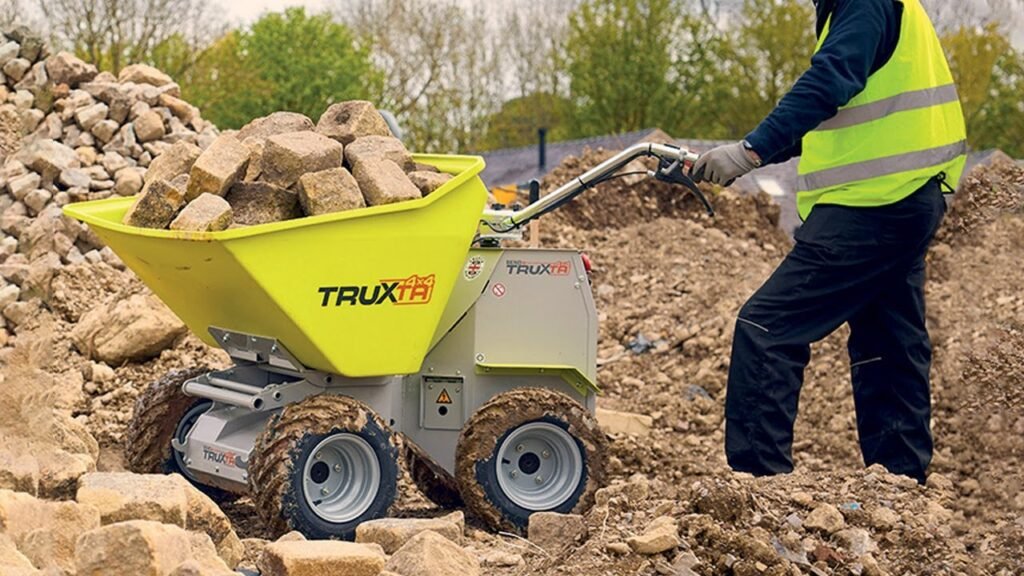
Anyone who has hauled a dozen wheelbarrows of wet concrete up a garden slope knows the point at which manual labor stops being physical exercise and becomes a genuine bottleneck for the whole crew. The forklift is too wide for the pathway, the dump truck cannot reach the back garden, and hiring extra hands for a two-day job wipes out the margin. Between these extremes sits a category of compact hauler that most contractors underestimate until the first time they use one.
This article is aimed at landscape contractors, small builders working on infill sites, and property maintenance crews who move bulk materials through spaces designed for people rather than machinery. The focus is on how compact haulers earn their place on a job site, which specifications separate a useful machine from a frustrating one, and how to think about track versus wheel, tipping style, and payload capacity before buying. The goal is a clear framework for deciding whether one of these machines fits your work and, if it does, which configuration will actually pay back its cost.
The Job Site Problems This Machine Solves
Bulk material handling in restricted spaces has always been a labor-intensive part of construction. Excavation spoil, gravel deliveries, concrete for garden pours, demolition debris, and landscape amendments all need to move across the site to be useful or removed. When a full-size dumper cannot fit and hand hauling is too slow, a mini dumper fills the gap by combining the payload capacity of a small truck with a footprint that fits through most garden gates and along most footpaths.
Landscape and Garden Construction
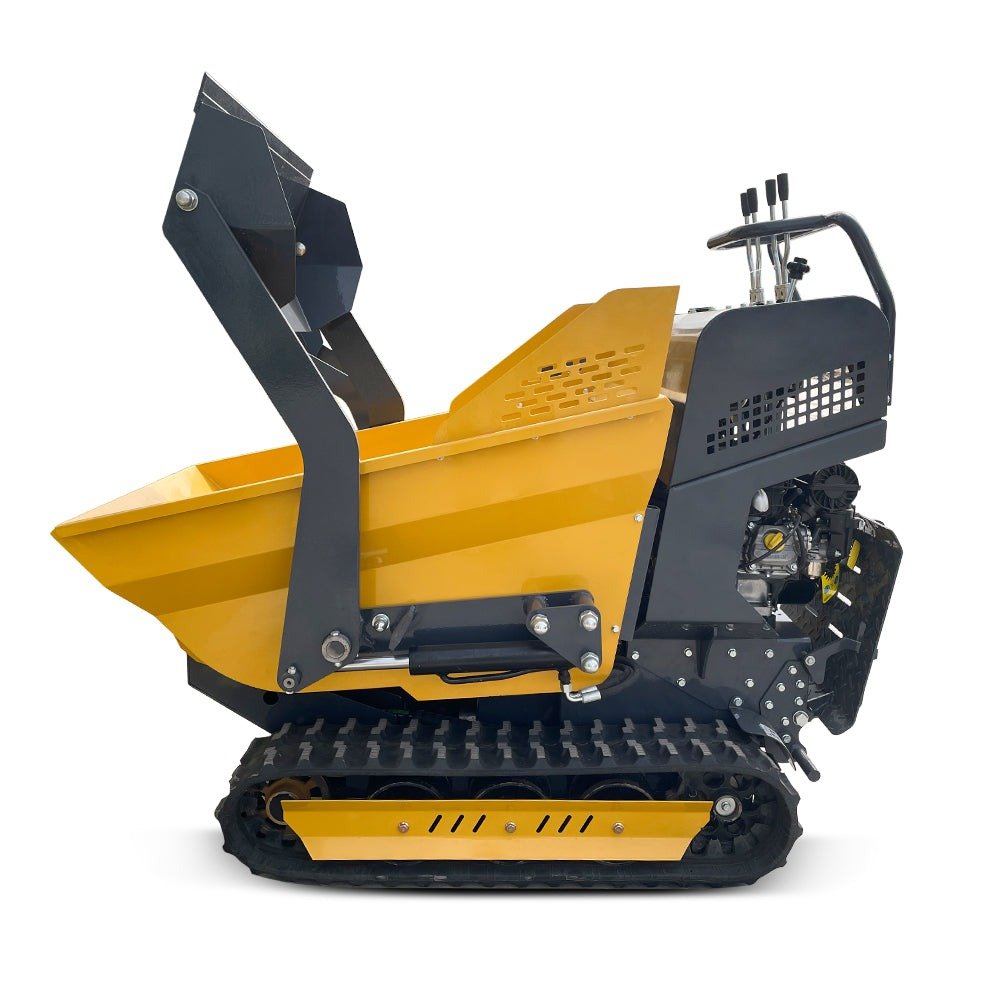
Rear gardens are where these machines earn their keep. Delivering a tonne of topsoil to the back of a property, moving pavers pallet by pallet from the driveway to the patio site, and hauling out clay excavated for a pond all happen with a single operator. Tracked models cross wet lawns without leaving ruts, which matters on projects where the finished surface is precisely the ground the machine has to drive across. Rubber tracks with low ground pressure are the standard choice for turf work.
Small Building Sites and Renovations
Extension foundations, garage rebuilds, and townhouse infill projects share the same access constraints as landscape work but add more demanding materials. Wet concrete, brick, and steel components all shift the balance point of the load. A compact hauler with a low center of gravity and hydraulic tipping stays stable across these varied loads, and the ability to swivel or tip in multiple directions helps place concrete directly where the shuttering waits.
Track vs. Wheel: Getting the Foundation Right
The undercarriage choice shapes every other decision. Tracked models excel on soft, uneven, or slippery terrain, spreading weight to protect delicate surfaces and gripping through mud and slopes that would defeat wheels. Wheeled models move faster on paved and hard-packed surfaces, cost less to service, and require less operator skill on flat ground.
Wet UK winters, sloped gardens, freshly excavated ground, and finished lawns all point toward tracks. If more than a third of your work happens on these surfaces, the extra maintenance and slower travel speed of tracks are worth accepting. Rubber tracks last around one thousand to fifteen hundred hours under typical mixed use, and replacement cost is predictable, so the running cost story is not as expensive as first-time buyers often fear.
When Wheels Make More Sense
Urban renovations, industrial estates, and paved commercial sites reward the speed and simplicity of wheels. On these surfaces, tracks slow the work and wear faster on hard aggregates than they would on soil. A four-wheel drive wheeled dumper still climbs meaningful slopes and handles gravel yards without difficulty, so ruling out wheels because a site includes a modest incline is usually a mistake.
Payload, Tipping, and Load Placement
Rated payload is the headline number, but how the load unloads matters just as much. Straight-tip skips discharge forward and require space in front of the machine. Swivel skips rotate the load to left, right, or forward, which places material exactly where a pour or pile is needed. High-tip variants raise the skip above skip-truck height, allowing direct loading into waste containers without a second machine or crane on site.
Sizing the Payload to Your Real Loads
Buyers often oversize based on the biggest load they can imagine, then find themselves wrestling a machine that is too wide for the everyday gate. Track the loads that appear on your invoices for two months and pick a capacity that comfortably handles the average, not the outlier. For the once-a-quarter big pour, hire in a larger unit rather than buying one you will not use most weeks.
Ergonomics and Operator Fatigue
A hauler that is uncomfortable to operate slows the whole crew down. Adjustable operator platforms, clear sightlines over the skip, and controls placed where gloved hands find them without looking all matter more than the marketing photos suggest. Suppliers like MMS INDUSTRIAL publish detailed operator ergonomics and service specifications for their compact hauler range, which helps buyers compare on the details that actually affect a full working day.
Maintenance Reality and Total Cost
Compact haulers work in dirty conditions, and dirt is the enemy of hydraulic systems. Daily checks of hydraulic hoses, filter condition, and grease points prevent the small failures that lead to expensive downtime. Storing the machine under cover between jobs extends the life of tracks, tires, and paintwork more than any other single maintenance decision. Budget for hydraulic oil analysis once a season on high-utilization machines; it catches wear before it becomes replacement.
Choosing a Compact Hauler That Actually Fits
The compact hauler category rewards buyers who match the machine to the work rather than to the biggest specification they can afford. Walk your typical job site with a tape measure, note the tightest gate and the softest ground, and pick a machine that handles both without complaint. Choose the tipping style that matches how you actually place material, size the payload to your average load rather than the exception, and treat maintenance as a scheduled discipline rather than a reaction to breakdowns. Get those decisions right, and material handling shifts from being the daily bottleneck to being the quiet advantage that lets a small crew finish projects on time, with margins intact and shoulders unbroken.