Is Your Apartment Water Truly Clean? Explore Filtration Systems
You turn on the faucet, fill a glass, and drink without a second thought. But have you ever wondered what’s actually in your apartment’s tap water? While it may look crystal clear, the reality is often far less reassuring. Invisible…

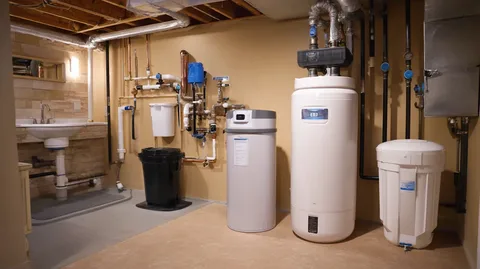
You turn on the faucet, fill a glass, and drink without a second thought. But have you ever wondered what’s actually in your apartment’s tap water? While it may look crystal clear, the reality is often far less reassuring. Invisible contaminants—lead leaching from aging pipes, residual chlorine from municipal treatment, microscopic bacteria, and volatile organic compounds—can silently compromise the water flowing through your kitchen sink. In multi-unit buildings, the journey water takes from the treatment plant to your glass involves shared infrastructure that’s often decades old, and standard building plumbing simply cannot guarantee purity at the point of use. Your landlord may meet minimum regulatory standards, but “acceptable” isn’t the same as “optimal” when it comes to what you and your family consume daily. This article explores effective water filtration systems designed specifically for apartment living, helping you understand your options so you can take direct control of your water quality and protect your long-term health.
Even if your city’s water treatment plant produces water that meets federal standards, the journey to your apartment faucet introduces numerous opportunities for contamination. In multi-unit buildings, water often travels through a labyrinth of shared pipes—many installed decades ago—before reaching individual units. Older buildings frequently contain lead solder joints, galvanized steel pipes corroding from the inside, and copper lines developing pinhole leaks that allow soil contaminants to seep in. This secondary contamination happens after municipal treatment, meaning your city’s water report doesn’t reflect what’s actually coming out of your tap.
Building water tanks, common in high-rise apartments, present another concern. These rooftop or basement reservoirs can accumulate sediment, harbor bacterial growth, and introduce rust particles if poorly maintained. Your landlord is typically responsible for basic compliance with health codes, but routine deep cleaning and comprehensive testing often fall outside minimum requirements. City treatment relies heavily on chlorine disinfection, which effectively kills pathogens at the plant but creates disinfection byproducts—trihalomethanes and haloacetic acids—linked to long-term health risks with prolonged exposure.
For health-conscious apartment residents, the cumulative effect of daily exposure to low-level contaminants is the real concern. You might not taste the difference or see anything unusual, but trace amounts of lead, pesticide residues, pharmaceutical compounds, and microplastics can accumulate in your body over months and years. This isn’t about fear—it’s about recognizing that personal water filtration has become a practical necessity rather than an optional upgrade for anyone serious about protecting their household’s well-being.
Why Every Apartment Needs a Dedicated Water Filtration System
Many apartment dwellers default to bottled water as their solution, but this approach is both financially draining and environmentally destructive. A household spending even modestly on bottled water can easily burn through hundreds of dollars annually while contributing thousands of plastic containers to landfills—containers that themselves can leach chemicals into the water they hold. A dedicated water filtration system for apartment living eliminates this cycle entirely, delivering purified water on demand at a fraction of the long-term cost.
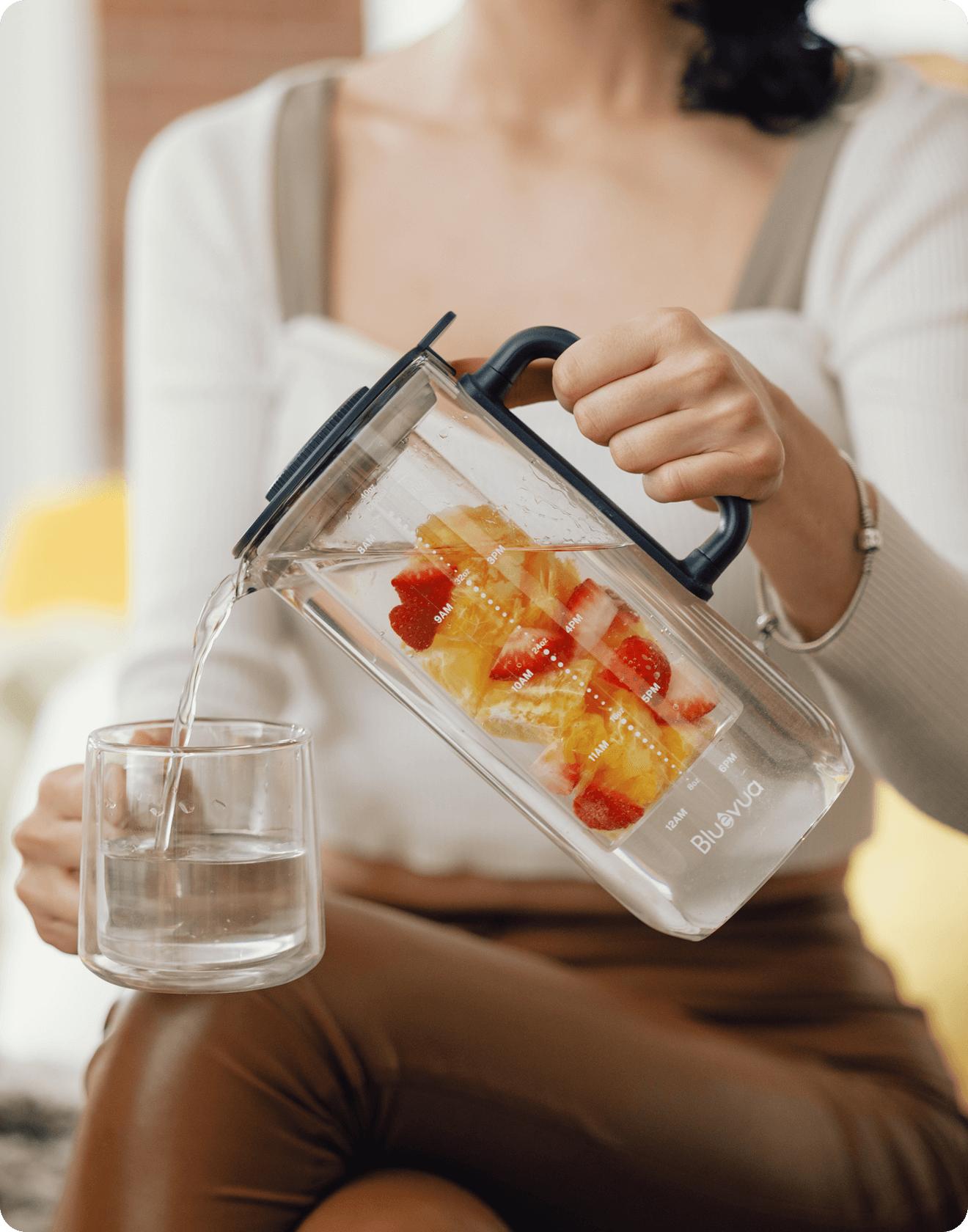
Beyond economics, the convenience factor transforms daily life. Clean water becomes instantly available for drinking, cooking, making coffee, and preparing baby formula without hauling heavy cases from the store or waiting for delivery services. For health-conscious residents, this means consistent access to water free from the chlorine taste, heavy metal traces, and organic compounds that standard municipal treatment leaves behind. You’re not just improving flavor—you’re actively reducing your body’s daily toxic burden.
The practical reality of apartment living once limited filtration options, but modern systems have evolved specifically for renters and space-constrained homes. Countertop units require zero plumbing modifications and can move with you to your next lease. Under-sink systems fit discreetly in standard cabinet spaces and connect to existing water lines with minimal, reversible installation. Even faucet-mounted filters offer meaningful improvement without any landlord permission. The barrier to entry has never been lower, making personal water filtration less of a luxury purchase and more of a straightforward health decision that any apartment resident can implement immediately.
Exploring Your Water Purification Options: A System Breakdown
Understanding the technology behind water filtration empowers you to select a system that targets your specific concerns rather than paying for features you don’t need. Each purification method excels at eliminating different categories of contaminants, and knowing how they work helps you match the right solution to your apartment’s water challenges. Here’s a breakdown of the three most effective and apartment-friendly technologies available today.
Reverse Osmosis (RO) Filtration System: The Thorough Clean
A reverse osmosis filtration system works by forcing water through a semipermeable membrane with pores so microscopically small that virtually nothing except water molecules passes through. This process eliminates up to 99% of dissolved solids, including lead, arsenic, fluoride, nitrates, and pharmaceutical residues that other filtration methods often miss. For apartments in older buildings where pipe corrosion introduces heavy metals, or in areas where municipal water carries elevated levels of industrial contaminants, RO delivers the most comprehensive purification available for residential use.

The trade-offs deserve honest consideration. RO systems produce wastewater—typically two to three gallons for every gallon of purified water—which raises efficiency concerns. The thorough filtration also strips beneficial minerals like calcium and magnesium, leaving water that some find flat-tasting and nutritionally diminished. However, modern RO systems increasingly include remineralization filters as a final stage, adding back essential minerals to create water that’s both pure and mineral-rich. This directly addresses the desire many health-conscious consumers have for water that nourishes rather than simply hydrates. Under-sink RO units fit comfortably in standard apartment cabinets and connect to your cold water line with a dedicated dispensing faucet, making them practical for renters willing to perform a straightforward installation.
UV Light Filtration: The Microbe Destroyer
Ultraviolet light filtration takes an entirely different approach to purification by targeting biological threats specifically. A UV system exposes water to ultraviolet radiation at a wavelength of 254 nanometers, which penetrates the cell walls of bacteria, viruses, and protozoa like giardia and cryptosporidium, scrambling their DNA and rendering them unable to reproduce or cause infection. This happens instantly as water flows past the UV lamp, requiring no chemical additives and producing no byproducts whatsoever.
For health-conscious apartment residents concerned about microbial contamination—particularly those in buildings with aging water storage tanks or in areas where boil-water advisories occasionally occur—UV filtration provides reliable biological protection. The technology requires minimal maintenance beyond annual lamp replacement and consumes very little energy. However, UV light cannot remove chemical contaminants, heavy metals, sediment, or chlorine. It works exclusively against living organisms, which makes it most powerful as a complementary technology rather than a standalone solution. Pairing a UV unit with a carbon pre-filter creates a system that handles both chemical and biological threats, covering a much broader spectrum of contamination without the wastewater issues associated with reverse osmosis.
Coconut Shell Carbon Filter: The Chemical and Taste Champion
Activated carbon filtration derived from coconut shells represents perhaps the most accessible and immediately impactful water treatment for apartment residents. The process works through adsorption—contaminant molecules physically bind to the vast internal surface area of the carbon granules as water passes through. Coconut shell carbon is particularly effective because its microporous structure creates an enormous surface area relative to its size, outperforming coal-based or wood-based carbon in both capacity and longevity for removing organic compounds.
This technology excels at eliminating chlorine and its unpleasant taste and odor, volatile organic compounds, pesticides, herbicides, and many industrial solvents. If your primary complaints are that your apartment water tastes like a swimming pool or carries an off-putting chemical smell, a coconut shell carbon filter will produce the most dramatic improvement you’ll notice immediately. The filters work effectively as standalone systems for apartments with generally decent municipal water that simply needs aesthetic and chemical refinement. They also serve as excellent pre-filters in multi-stage setups, protecting more sensitive downstream components like RO membranes or UV lamps from chlorine damage and sediment clogging. Available in countertop, faucet-mounted, and under-sink configurations, carbon filters require no electricity, produce zero wastewater, and offer the simplest maintenance cycle—typically just swapping a cartridge every few months.
How to Choose the Right Water Filtration System for Your Apartment
Selecting the ideal water filtration system for your apartment becomes straightforward when you approach it methodically rather than relying on marketing claims or guesswork. Start by getting your water tested—order an affordable home testing kit that screens for common contaminants like lead, chlorine, bacteria, hardness, and pH levels, or invest in a professional laboratory analysis for a more comprehensive picture. Your results will reveal exactly what you’re dealing with, transforming the decision from overwhelming to obvious.
Once you know your contaminants, match the technology to your specific threats. Heavy metals and dissolved solids point toward reverse osmosis. Persistent chlorine taste and chemical odors call for coconut shell carbon filtration. Bacterial concerns or recurring boil-water notices make UV treatment essential. Many apartment residents discover they need protection across multiple categories, which is where combination systems shine—a carbon pre-filter paired with UV sterilization, for example, handles both chemical and biological threats without producing wastewater or requiring electricity-hungry equipment.
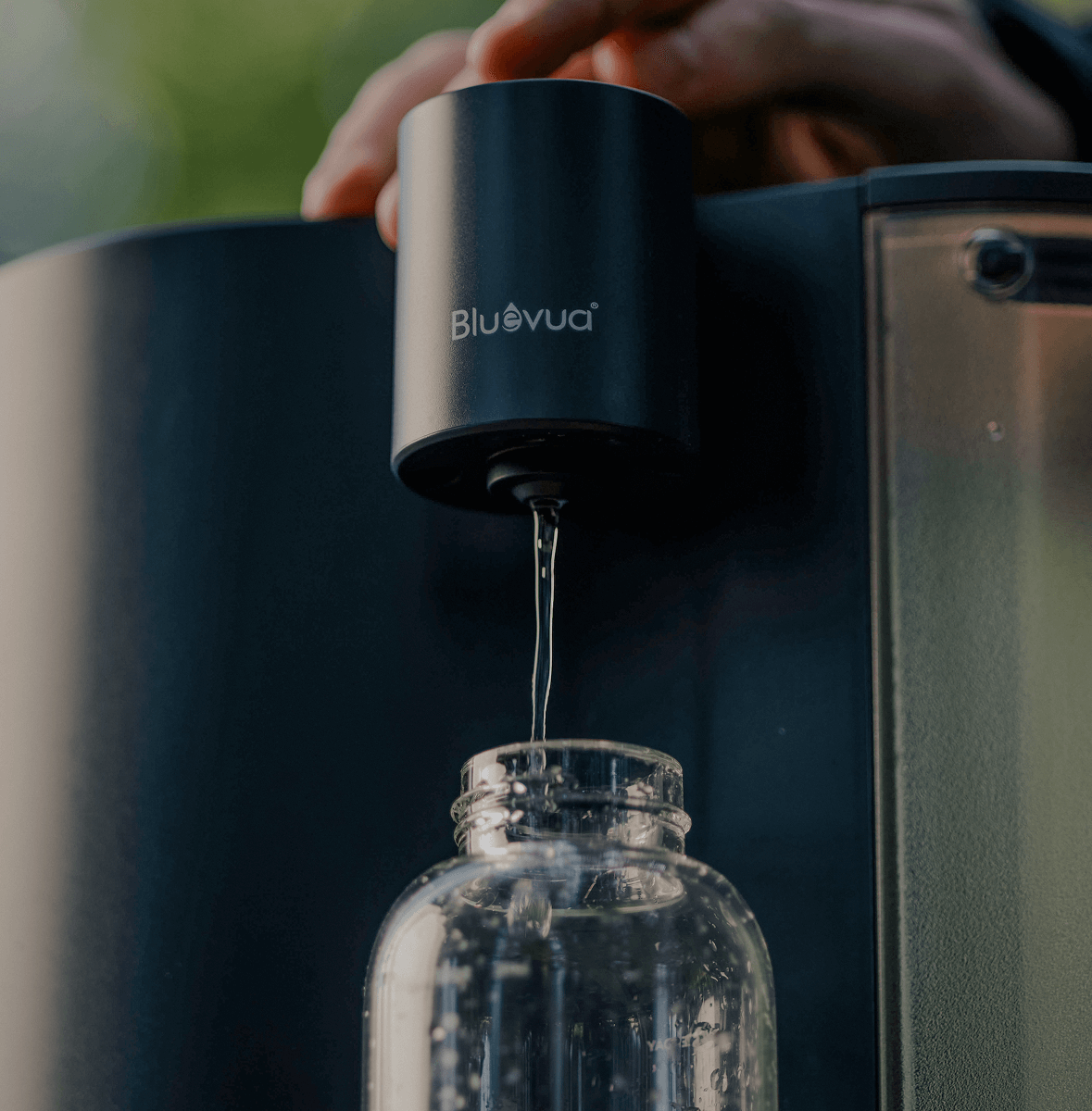
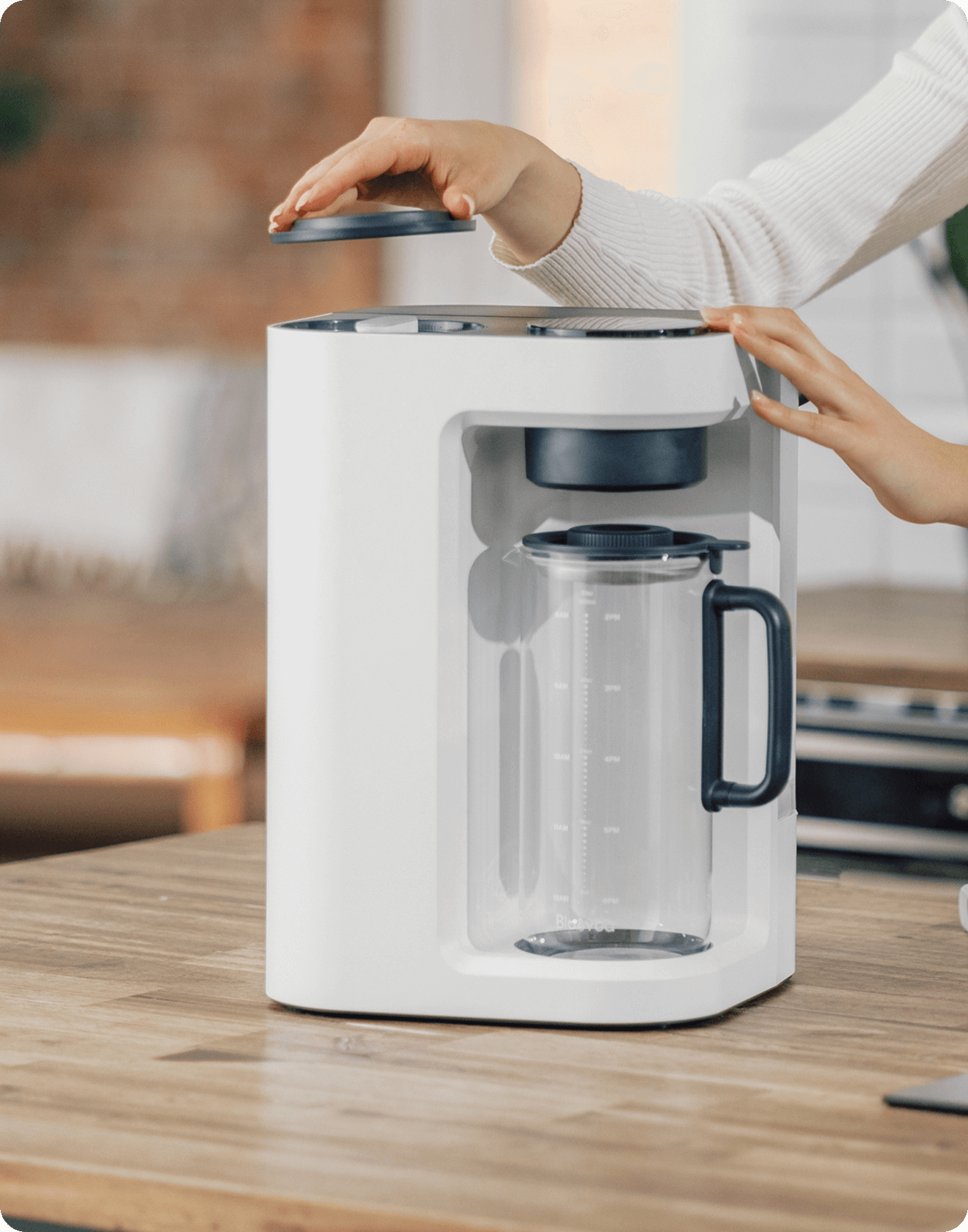
Next, evaluate your apartment’s practical constraints honestly. Measure your under-sink cabinet space, assess whether your lease permits minor plumbing connections, and establish a realistic budget that accounts for ongoing filter replacements over the next year. Countertop units from brands like Bluevua suit renters who want zero-installation portability and effective filtration without modifying plumbing. Under-sink systems work for those with standard cabinet space and a willingness to connect a simple water line adapter. Pitcher filters serve as entry-level solutions for single individuals with modest consumption. Whatever you choose, remember that combining two complementary technologies—such as carbon plus UV—often delivers more balanced protection than investing everything in a single advanced system. The goal isn’t perfection on paper; it’s meaningful, daily improvement in what you actually drink and cook with.
Take Control of Your Apartment’s Water Quality Today
Your apartment’s tap water faces challenges that municipal treatment alone cannot solve—aging shared pipes introduce heavy metals, building storage tanks harbor bacteria, and residual disinfection chemicals create byproducts that accumulate in your body over time. Accepting this reality isn’t alarmist; it’s the first step toward protecting yourself and your household. The good news is that effective, apartment-friendly solutions exist for every situation and budget. Reverse osmosis delivers the most thorough purification for severely compromised water supplies, stripping virtually all dissolved contaminants. UV light provides chemical-free biological protection against harmful microorganisms lurking in aging plumbing systems. Coconut shell carbon filtration transforms chlorine-laden, unpleasant-tasting water into something you’ll genuinely enjoy drinking while removing a broad range of organic chemicals. Many residents find that combining two of these technologies creates comprehensive coverage without excessive complexity or cost. The path forward is clear: test your water, identify your specific threats, and invest in a water filtration system matched to your apartment’s needs. This isn’t an extravagant purchase—it’s a deliberate commitment to your long-term wellness, delivering cleaner water every single day and the peace of mind that comes with knowing exactly what you’re putting into your body.