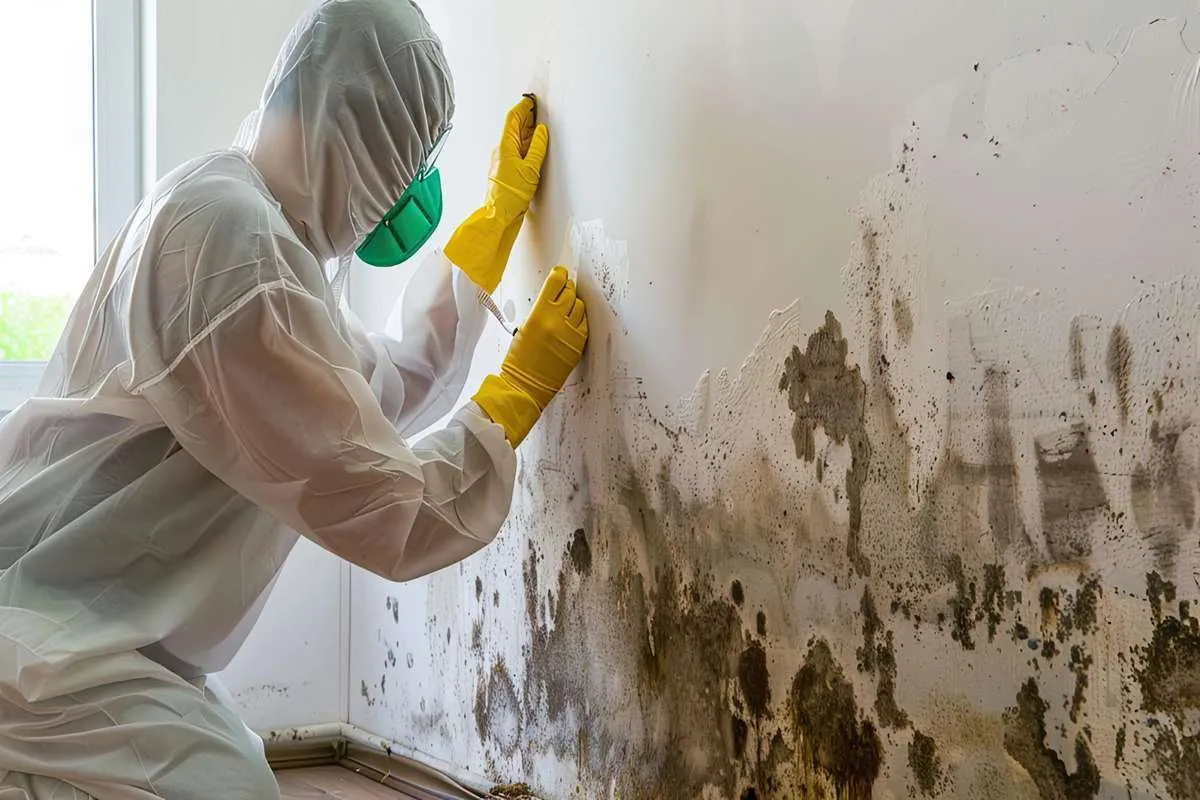
Mold can start as a faint smell or a small spot, often growing undetected in damp, humid environments. It poses a threat to both a home’s structural integrity by feeding on materials like drywall and wood, and to residents’ health, potentially causing allergies and respiratory issues.
Recognizing the Red Flags: Signs of Mold Growth
Mold doesn’t always announce its presence with large, fuzzy patches on the wall. Often, the signs are subtle. Being able to interpret these clues is the first step in detection.
Visual Indicators
The most obvious sign is visible growth, but mold comes in many disguises. It isn’t always black or green; it can appear white, orange, or even purple. It might look like staining, fuzzy growth, or a powdery substance.
- Discoloration: Look for irregular discoloration on walls, ceilings, or floors. Water stains are often a precursor to—or a host for—mold growth.
- Warping and Peeling: Moisture accumulating behind walls can cause wallpaper to peel or paint to bubble. If your drywall looks warped or feels soft to the touch, there is likely moisture—and mold—behind it.
- Condensation: Frequent condensation on windows or metal pipes indicates high humidity levels, which creates the perfect breeding ground for spores.
The Nose Knows
Your sense of smell is often the most reliable tool for early detection. Mold releases microbial volatile organic compounds (mVOCs), which create that distinct “musty” odor. If a room smells like old books, wet socks, or rotting wood, do not ignore it. If the smell persists despite cleaning and airing out the room, the source is likely hidden mold.
Physical Symptoms
Sometimes, the house looks clean, but your body tells a different story. Mold exposure can cause a variety of health issues. If you or your family members experience persistent sneezing, coughing, itchy eyes, or skin irritation that seems to worsen when you are at home and improve when you leave, your environment might be the culprit.
DIY Detection: Steps for Homeowners
If you suspect mold but can’t see the source, a preliminary investigation can help you understand the scope of the problem. However, proceed with caution. Disturbing mold can release spores into the air, spreading the problem further.
1. Conduct a Moisture Audit
Mold cannot grow without moisture. Inspect your home for current or past leaks. Check under sinks, around toilets, behind the refrigerator, and near the washing machine. Don’t forget to check the attic for roof leaks and the basement for foundation seepage. Using a simple moisture meter, available at most hardware stores, can help you detect moisture inside walls without cutting into them.
2. The Flashlight Test
Grab a bright flashlight and inspect dark, stagnant areas. Look behind wardrobes, inside closets, and in HVAC vents. Mold loves darkness and poor air circulation. The focused beam of a flashlight can help you spot the texture of mold colonies that ambient light might miss.
3. Check the Humidity
Purchase a hygrometer to measure the relative humidity in your home. Ideally, indoor humidity should be kept below 50%. If your readings are consistently higher, you have an environment where mold can easily establish itself.
DIY Testing Kits: A Word of Caution
You may see DIY mold testing kits (settle plates) at home improvement stores. While they are inexpensive, they are often unreliable for diagnosing a specific problem. These kits simply tell you that mold spores exist in the air—which is true for almost every home on Earth. They rarely provide enough context to determine if the levels are dangerous or where the colony is hiding.
Professional Assessment: When to Call the Experts
While a small patch of mildew on shower grout can be handled with household cleaners, significant mold issues require professional intervention. Assessing the situation accurately is vital to ensuring the remediation is effective.
You should consider hiring a certified mold inspector if:
- The area is large: The EPA suggests that if the mold covers an area larger than 10 square feet (roughly 3 feet by 3 feet), you should not attempt to handle it yourself.
- There are health concerns: If occupants have asthma, allergies, or compromised immune systems, professional assessment and remediation are non-negotiable to protect their health.
- The source is unknown: If you smell mold but cannot find it, professionals have the tools to locate it without destroying your home.
- Real estate transactions: Before buying or selling a home, a professional mold inspection provides peace of mind and protects financial interests.
What Does a Professional Assessment Involve?
A professional assessment goes far beyond a visual inspection. Experts use a combination of science and technology to map the mold issue.
Air Quality Sampling: Inspectors use air pumps to collect samples of the air inside your home and compare them to an outdoor control sample. This determines if the indoor spore count is elevated, indicating an active infestation.
Surface Sampling: Swabs or tape lifts are used to collect samples from surfaces to identify the specific type of mold. Knowing the species is important, as some molds (like Stachybotrys chartarum, or black mold) produce mycotoxins that are particularly harmful.
Thermal Imaging: Infrared cameras can detect temperature differences in walls and floors. Since wet areas are cooler than dry ones, this technology allows inspectors to “see” moisture behind drywall and under floorboards, pinpointing the source of the growth.
Finding the right expert is crucial. For example, if you are conducting an online search for local help, you might type in terms like “mold testing services in Salt Lake City” or “certified industrial hygienist near me” to find qualified professionals in your area. Always verify that the inspector is certified by a reputable organization such as the IICRC (Institute of Inspection, Cleaning and Restoration Certification) or the ACAC (American Council for Accredited Certification).
Prevention is the Best Cure
The most effective way to deal with mold is to prevent it from growing in the first place. By controlling moisture, you control mold.
- Control Humidity: Use dehumidifiers in damp areas like basements and crawl spaces. Air conditioners also help pull moisture from the air during summer months.
- Ventilate Properly: Always run the exhaust fan during and after showers and while cooking. Ensure that your clothes dryer vents to the outside of the house, not into the attic.
- Fix Leaks Immediately: Whether it’s a dripping faucet or a roof leak, address water intrusion the moment you spot it. Mold can begin to grow within 24 to 48 hours of water exposure.
- Monitor Drainage: Ensure that your gutters are clean and downspouts direct water away from your home’s foundation. Poor drainage is a leading cause of basement mold.
- Mold-Resistant Products: If you are renovating, consider using mold-resistant drywall and paints, especially in bathrooms and kitchens.
Conclusion
Mold detection is not a one-time event; it is an ongoing aspect of home maintenance. By staying alert to the visual and olfactory signs of mold and managing moisture levels within your home, you can protect your property and your family’s well-being.

Bit Labs Author is a multi-niche digital expert who creates sharp, high-impact content across Tech, Digital Marketing, Business, Law, News, and Lifestyle. Known for blending research with creativity, they transform complex topics into clear, engaging insights that empower readers to learn, grow, and stay ahead in the digital age.