Outdoor events have surged in popularity, with more hosts and planners seeking fresh-air venues for everything from intimate garden parties to large-scale corporate gatherings. Yet anyone who has organized an outdoor occasion knows the inherent risks: a sudden downpour can scatter guests, relentless sun can make seating areas unbearable, and mosquitoes can turn an elegant evening into an exercise in swatting and frustration. These unpredictable elements often force planners to compromise between the beauty of an open-air setting and the comfort their guests deserve. Enter the screen house gazebo—a versatile structure that bridges the gap between indoor protection and outdoor ambiance. By combining sturdy shelter with breathable screened walls and thoughtful design, this solution offers event planners a way to host confidently regardless of weather or pest concerns. It delivers the accessibility, style, and functionality that modern gatherings demand, transforming any backyard or venue space into a polished, guest-ready environment. In the sections ahead, we’ll explore exactly how this structure meets the unique challenges of outdoor event planning.
The Event Planner’s Challenge: Creating Functional and Stylish Outdoor Venues
Event planners today face a demanding balancing act when designing outdoor gatherings. Clients expect spaces that feel curated and intentional—not simply a collection of folding chairs on a lawn. The venue must communicate the event’s tone, whether that’s a rustic wedding reception, a polished product launch, or a casual neighborhood celebration. Yet achieving this vision outdoors introduces obstacles that indoor venues simply don’t present.
Weather remains the most persistent concern. A forecast can shift within hours, leaving planners scrambling to protect décor, equipment, and guests from rain or harsh UV exposure. Traditional tents offer some coverage but often feel enclosed and stifling, cutting attendees off from the natural surroundings that made an outdoor setting appealing in the first place. Insects compound the discomfort, particularly during evening events when mosquitoes and gnats are most active—no amount of citronella can fully solve this problem at scale.
Accessibility presents another critical challenge. Outdoor terrain is inherently uneven, and many temporary structures lack the wide openings and level thresholds needed for guests with mobility aids, strollers, or catering carts. When foot traffic bottlenecks at a narrow entrance, the entire flow of an event suffers. Planners also struggle with versatility: a structure that works for a 20-person brunch may feel cramped during a 50-person cocktail hour. These compounding issues don’t just inconvenience guests—they directly affect satisfaction, word-of-mouth referrals, and the planner’s professional reputation. Solving them requires a structure purpose-built for the realities of outdoor hosting.
What is a Screen House Gazebo and Why It’s Ideal for Events
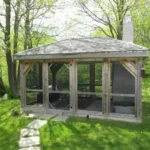
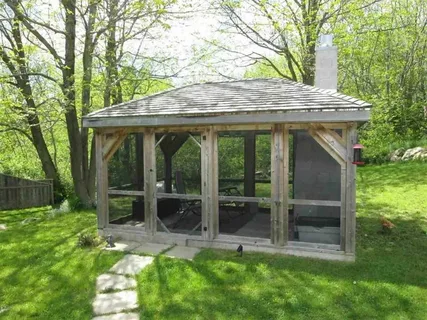
A screen house gazebo is a freestanding outdoor structure that combines a solid roof with mesh-screened walls on all sides. Unlike traditional open-air gazebos or fully enclosed tents, this design strikes a deliberate middle ground—offering overhead protection and insect barriers while maintaining airflow, natural light, and panoramic views of the surrounding landscape. The screened walls keep mosquitoes, flies, and debris out without creating the sealed, stuffy atmosphere that drives guests back indoors.
For event planners, this structure functions as a controlled environment that doesn’t feel controlled. Guests can enjoy the breeze and scenery while remaining shielded from the elements that typically derail outdoor occasions. The screened gazebo serves as both a practical shelter and a visual anchor for the event layout—its defined shape and architectural presence naturally draw the eye, making it an ideal focal point for dining areas, lounges, or ceremony spaces. Rather than fighting the outdoor setting, it frames and enhances it.
What makes this an easy access outdoor structure is its inherently open design philosophy. Most models feature generous doorways and unobstructed interior floor plans that accommodate flexible furniture arrangements, wheelchair passage, and high-traffic flow during peak moments like cocktail hours or buffet service. The absence of interior support poles in many designs means sightlines remain clear and usable square footage stays maximized. For planners who need a single solution that addresses weather, pests, accessibility, and aesthetics simultaneously, the screen house gazebo delivers on all fronts without requiring the complex logistics of renting multiple separate structures or backup indoor venues.
Key Features of a Functional Screen House Gazebo for Event Success
Not all outdoor structures are created equal, and the details that distinguish a screen house gazebo from a basic canopy or pop-up tent matter enormously when guest experience is on the line. The features built into these structures directly determine whether an event runs smoothly or stumbles over preventable issues. Understanding these components helps planners select a gazebo that performs under real-world event conditions rather than simply looking good in a catalog photo.
Durability and Style with an Aluminum Frame
The backbone of any reliable screen house gazebo is its aluminum frame. This material delivers a rare combination of structural strength and visual refinement—it won’t buckle under moderate wind loads, yet its slim profile maintains clean sightlines that complement rather than compete with event décor. Aluminum resists rust and corrosion even after repeated exposure to rain and humidity, which means planners who invest in this structure won’t find it deteriorating between seasons. Brands like PURPLE LEAF have refined their aluminum frame construction to balance lightweight portability with the rigidity needed for consistent outdoor use, a practical advantage when venue layouts shift between events or when the same gazebo serves multiple locations throughout a busy season.
Comfort and Protection in a Screened Gazebo
The screened gazebo design solves the ventilation problem that plagues enclosed tents while still forming a reliable barrier against flying insects. Fine mesh panels allow cross-breezes to circulate freely, preventing the trapped-heat effect that makes guests uncomfortable during warmer months. Simultaneously, these screens block mosquitoes, wasps, and airborne debris without obstructing views—guests seated inside still feel connected to the garden, lake, or landscape beyond. This balance between openness and protection creates an environment where people linger comfortably rather than retreating to their cars once the sun sets and insects emerge.
Designing for Easy Access in Outdoor Structures
Accessibility isn’t an afterthought in well-designed screen house gazebos—it’s engineered into the structure from the ground up. Wide entryways, often spanning several feet, allow wheelchair users, guests with walkers, and catering staff pushing loaded carts to move through without awkward maneuvering or bottlenecks. Many models sit flush with ground level or incorporate gentle thresholds that eliminate tripping hazards and remove the need for separate ramp installations. Inside, the column-free floor plan gives planners complete freedom to arrange tables, bars, and lounge furniture in configurations that maintain generous circulation paths. This easy access outdoor structure approach ensures compliance with accessibility expectations while simultaneously improving traffic flow during high-volume moments like arrivals, meal service, and event transitions. For planners managing diverse guest lists that include elderly attendees, families with young children, and vendors moving equipment, these design choices prevent logistical headaches before they start.
Practical Steps to Choose and Set Up Your Screen House Gazebo for Events
Knowing the benefits of a screen house gazebo is one thing—selecting the right model, installing it correctly, and transforming it into a memorable venue space requires deliberate planning. The following steps walk event professionals through the process from purchase decision to final styling, ensuring the structure performs as both a functional shelter and a design asset on event day.
Step 1: Selecting the Right Screen House Gazebo Model
Start by mapping your typical event profile. If you regularly host gatherings of 30 or more guests, prioritize models with generous square footage and multiple entry points to prevent congestion. Evaluate the aluminum frame construction for rigidity—thicker gauge profiles handle gusty conditions better and convey a more substantial, polished appearance that clients notice. Confirm that the design includes ground-level thresholds or flush entries that qualify it as an easy access outdoor structure, especially if your client base includes corporate functions subject to accessibility requirements. Match the roof style and frame finish to the aesthetic range you most frequently deliver, whether that skews modern and minimal or classic and ornamental.
Step 2: Installation and Setup for Optimal Functionality
Choose a level site and clear it of rocks, roots, or debris that could puncture ground fabric or create uneven footing. Lay out all frame components and hardware before assembly begins—most screen house gazebos can be erected by two people within a few hours using basic hand tools. Anchor the structure with ground stakes on soft terrain or weighted bases on hard surfaces to ensure stability in wind. Once the frame is secure, attach the screened panels methodically from one side to the other, checking tension as you go to prevent sagging that looks unprofessional and reduces insect protection.
Step 3: Enhancing Your Event with Additional Features
With the screened gazebo standing, layer in elements that elevate the guest experience. String warm-toned bistro lights along the interior frame to create ambient evening illumination without requiring electrical runs across the lawn. Drape sheer fabric panels at entry points for a softer transition between outdoor and sheltered space. Arrange furniture in conversation clusters rather than rigid rows, taking advantage of the column-free interior to maintain open sightlines and easy circulation. Add portable fans for summer events or outdoor-rated heaters for cooler seasons, turning the gazebo into a comfortable destination regardless of temperature shifts throughout the day.
Transform Every Outdoor Gathering with Reliable Shelter and Style
A screen house gazebo directly solves the most persistent challenges event planners face when hosting outdoors. It eliminates the forced choice between open-air beauty and guest comfort by delivering weather protection, insect barriers, and natural ventilation within a single architecturally appealing structure. The aluminum frame ensures seasons of reliable performance without the rust, weight, or visual bulk that compromise lesser alternatives, while the screened gazebo design keeps guests engaged with their surroundings rather than sealed off from them. Perhaps most importantly, the easy access outdoor structure philosophy built into these gazebos means every attendee—regardless of mobility level—can move through the space with dignity and ease, a consideration that reflects directly on the professionalism of any event. For planners ready to stop gambling on weather apps and backup plans, investing in a screen house gazebo represents a practical, reusable asset that elevates every gathering it shelters. Assess your upcoming event calendar, identify the occasions most vulnerable to outdoor unpredictability, and let this versatile structure become the foundation of consistently memorable experiences.