Between demanding work schedules, family responsibilities, and the daily commute, finding time to hit the gym feels nearly impossible for most professionals. Yet staying fit remains essential for energy, focus, and long-term health. The best functional trainer for home gym setups offers a compelling solution—bringing commercial-grade workout capability into your living space without requiring an entire room full of equipment. These all-in-one gym machines tackle the two biggest barriers to consistent exercise: limited space and limited time. Instead of juggling multiple machines or driving to a crowded fitness center, you can complete a full-body workout steps from your desk or bedroom. This article explores how functional trainers can genuinely transform your home gym experience. Whether you’re evaluating your first purchase or looking to upgrade existing equipment, you’ll find practical guidance on selecting the right machine, using it effectively, and building sustainable habits that fit your lifestyle.
What is a Functional Trainer and Why It’s the Best for Home Gyms?
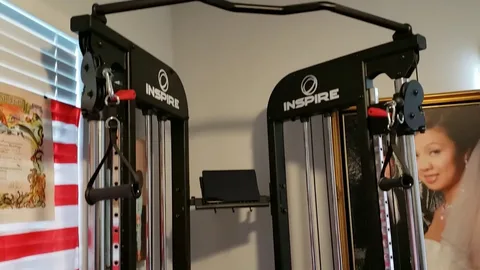
A functional trainer is an all-in-one gym machine built around adjustable cable pulleys that allow movement in multiple planes and directions. Unlike fixed-path machines that isolate single muscles, functional trainers let you perform hundreds of exercises—chest presses, rows, squats, woodchops, bicep curls, and core rotations—all from one station. This versatility makes them uniquely suited for full-body workouts without switching between equipment.
Compared to traditional home gym options like power racks, separate cable stations, or collections of dumbbells, a functional trainer consolidates everything into a single compact footprint. You don’t need dedicated floor space for a bench, a fly machine, and a lat pulldown when one unit handles all three movements. For busy professionals, this translates directly into efficiency—no setup changes, no wasted transition time, and no excuses about equipment limitations. The smooth, cable-based resistance also accommodates every fitness level, from rehabilitation-gentle loads to challenging strength work, making it a long-term investment that grows with your capabilities rather than collecting dust after the initial enthusiasm fades.
Key Features of the Best Functional Trainer for Home Gyms
Choosing the right all-in-one gym machine means understanding which features actually matter for daily use versus marketing fluff. The best functional trainers share several critical characteristics that determine whether the equipment becomes a cornerstone of your fitness routine or an expensive coat rack.
Compact Design for Efficient Home Use
The most practical functional trainers occupy roughly the footprint of a standard closet—typically around 4 by 7 feet including workout space. When evaluating placement, measure ceiling height carefully since many units require 7 to 8 feet of clearance. Position the machine away from walls by at least two feet to allow full cable extension on rear movements. Corner placement in a garage, spare bedroom, or basement maximizes remaining floor space while keeping the trainer accessible throughout the day.
Versatility and Exercise Variety
Look for dual adjustable pulleys that slide along a vertical track, enabling cable positions from ankle height to overhead. Multiple attachment points accommodate handles, bars, ankle straps, and rope grips—expanding your exercise library from basic curls to complex movements like cable woodchops, pallof presses, and single-leg Romanian deadlifts. The best machines support over 100 distinct exercises covering pushing, pulling, rotation, and lower-body patterns, effectively replacing an entire gym floor of specialized stations.
Safety Features for Risk-Free Workouts
Since you’re training without a spotter, built-in safety mechanisms matter significantly. Smooth weight stack systems with magnetic pin selectors prevent sudden load drops. Cable-based resistance eliminates the risk of a barbell pinning you during a failed rep. Prioritize machines with enclosed weight stacks to protect children and pets, non-slip foot platforms, and clearly labeled adjustment points that let you modify resistance mid-set without awkward repositioning. These features enable safe training at high intensity, even when you’re exercising alone at odd hours.
Maximizing Workout Efficiency: Tips for Busy Professionals
When your calendar is packed with meetings, deadlines, and family obligations, every minute counts—including the ones you dedicate to fitness. The functional trainer’s greatest advantage for busy professionals isn’t just the equipment itself but how it eliminates friction from the workout process. There’s no commute, no waiting for machines, and no time lost transitioning between stations. Your job is simply to show up, grab the handles, and move with intention.
The most effective strategy is time-blocking your workouts like any other non-negotiable appointment. Treat your training window—whether it’s 6 AM before the household wakes or 8 PM after the kids are asleep—as a meeting you cannot reschedule. Pair this with pre-planned routines so you never waste mental energy deciding what to do. Write your workout on a whiteboard near the machine or queue it up on your phone before you walk over. Combining compound movements like cable squats, standing chest presses, and rows into supersets keeps your heart rate elevated, blending cardiovascular conditioning with strength work in a single efficient session.
Time-Saving Workout Plans
A well-structured 30-minute session on your functional trainer can challenge every major muscle group. Try this approach: spend the first five minutes warming up with light cable pull-throughs and shoulder dislocates. Then rotate through three supersets—pairing cable chest press with seated rows, cable squats with stiff-leg deadlifts, and pallof presses with bicep curls—performing each pair for three rounds with minimal rest between exercises. Finish with two minutes of slow cable woodchops for cooldown. This format delivers serious training stimulus without demanding an hour you don’t have.
Tracking Progress and Adjusting Intensity
Consistent progress requires measurement. Keep a simple training log—a notebook beside the machine or a spreadsheet on your phone—recording weight, reps, and how each set felt. Every two weeks, increase resistance by one increment on your primary lifts or add a single rep to each set. When exercises feel routine, adjust pulley height to change the movement angle, switch from bilateral to single-arm variations, or slow your tempo to three seconds per rep. These small progressions compound over months into significant strength gains without requiring longer sessions.
Staying Motivated: Best Practices for Home Fitness
The biggest challenge with home workouts isn’t finding the right equipment—it’s showing up consistently when your couch is ten feet away and nobody’s watching. Motivation fades quickly without external accountability, which is why building systems matters more than relying on willpower. Start by setting specific, measurable goals tied to outcomes you genuinely care about: playing with your kids without getting winded, hitting a strength milestone, or maintaining energy through afternoon meetings. Write these goals where you’ll see them daily, ideally near your functional trainer.
Creating a dedicated workout space—even a small corner—signals to your brain that this area means business. Keep the space clean, well-lit, and free of distractions. The functional trainer’s inherent variety works in your favor here because boredom kills more fitness habits than difficulty ever will. Rotating between different movement patterns, grip styles, and training tempos keeps sessions feeling fresh week after week. When motivation dips, lower the barrier: commit to just ten minutes. Most days, once you start pulling cables, momentum carries you through a full session.
Building a Sustainable Routine
Habits stick when they’re anchored to existing behaviors. Link your workout to something you already do consistently—training immediately after morning coffee, during a lunch break, or right after changing out of work clothes. Start with three sessions per week rather than an ambitious daily schedule that crumbles after two weeks. Protect these time slots fiercely. Tell your household when you’re training so interruptions stay minimal. After six weeks of consistent practice, the routine shifts from something you force into something you miss when it’s skipped. That transition from discipline to identity is where lasting fitness lives.
Leveraging Technology and Apps
Technology bridges the gap between training alone and having professional guidance. Apps like JEFIT or Strong let you log workouts, visualize progress over time, and follow structured programs designed for cable machines. YouTube channels dedicated to functional trainer exercises provide form demonstrations when you’re unsure about a new movement. Some trainers, like those from Speediance, also offer smart connectivity for tracking resistance and reps automatically, providing real-time feedback that mimics having a personal coach present. Consider joining online fitness communities where members share cable-based routines and hold each other accountable through weekly check-ins. Even a simple shared spreadsheet with a training partner creates enough social pressure to keep you consistent on days when motivation runs thin.
Step-by-Step Guide to Using Your Functional Trainer Safely and Effectively
Owning a functional trainer is one thing—using it correctly from day one ensures you build strength without injury and get maximum value from your investment. Whether you’ve just unboxed your machine or have been underusing one for months, following a structured approach to setup and training makes the difference between real results and frustration.
Initial Setup and Calibration
After assembly, anchor the machine to the floor or wall if your model requires it—check the manual for bolt specifications. Adjust both pulleys to chest height and pull each cable without load to confirm smooth travel and equal tension. Set the pin to the lightest weight and perform slow, full-range pulls on each side to verify there’s no catching or uneven resistance. Mark your most-used pulley heights with small adhesive labels so transitions between exercises take seconds rather than guesswork.
Sample Workout Routines for Different Goals
For strength building, focus on heavy cable squats, chest presses, and rows performed in the five-to-eight rep range with two-minute rest periods, training four days per week on an upper-lower split. For endurance and conditioning, circuit through eight exercises at moderate weight—high pulls, reverse lunges, push-pulls, and core rotations—for 40 seconds each with 20 seconds rest, repeating three rounds. For flexibility and mobility, use the cables as assistance tools: supported deep squats, cable-guided hip openers, and slow overhead reaches with light resistance to improve range of motion under gentle tension. If something feels off mechanically—a sticky cable, clicking sound, or uneven resistance—stop immediately, inspect the cable path for fraying, and lubricate guide rails with silicone spray before resuming training.
Your Path to a Stronger, More Efficient Home Fitness Routine
The best functional trainer for home gym setups delivers what busy professionals need most: a complete training solution that respects both your space and your schedule. By consolidating hundreds of exercises into a single compact station, these all-in-one gym machines eliminate the excuses that derail fitness goals—no commute, no waiting, no complicated equipment swaps. The key lies in choosing a machine with adjustable pulleys, solid safety features, and enough resistance range to challenge you for years. But equipment alone doesn’t create results. Pairing your functional trainer with time-blocked sessions, progressive tracking, and habit-anchoring strategies transforms occasional workouts into a sustainable practice that compounds into meaningful strength, energy, and resilience. The investment you make today in quality equipment and consistent effort pays dividends across every area of your life—sharper focus at work, more stamina with your family, and the confidence that comes from taking your health seriously. Start where you are, commit to showing up three times this week, and let the momentum build from there.