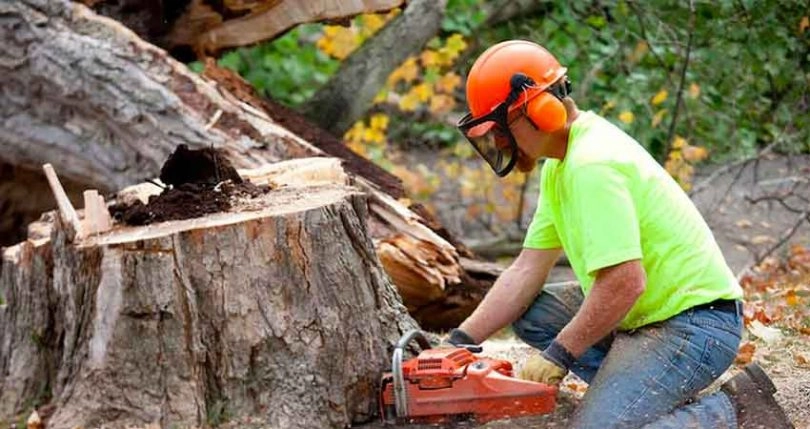
Trees are valuable to any property, providing shade, beauty, and environmental benefits. However, there are situations where a tree’s condition may create more risks than benefits. Identifying when a tree needs to be removed is crucial for ensuring the safety of people, structures, and nearby landscapes. While proper trimming and professional care can address many issues, some warning signs make removal the safest option. Spotting these signs early can help prevent sudden collapses, expensive damage, and safety risks.
Severe Leaning or Sudden Changes in Position
A tree that starts leaning significantly, especially if it happens suddenly, is a serious warning sign. This often indicates root failure, unstable soil, or internal damage. A tree leaning toward homes, roads, or power lines is a high-risk hazard. You might also notice the soil lifting around the tree’s base or see exposed roots, which means the tree’s foundation is no longer secure. When a tree’s stability is this compromised, removal is the safest option. Prompt evaluation by a professional can prevent an unexpected collapse.
Extensive Trunk Damage or Internal Rot
A compromised trunk is a major safety concern because it supports the entire tree’s weight. Deep cracks, hollow sections, or visible decay weaken the tree’s structural integrity. While internal rot isn’t always obvious, indicators like mushrooms at the base or soft, crumbling wood suggest advanced decay. Once the structure is compromised, the tree can fail without warning. Since trimming cannot fix internal damage, removal is often the most practical way to prevent a dangerous collapse.
Large Amounts of Dead or Falling Branches
While aging trees naturally lose some branches, excessive dieback often signals a deeper issue. If large limbs die or fall frequently, the tree is likely in decline. These falling branches pose immediate safety risks, particularly during high winds or storms. Widespread deadwood typically indicates that the tree can no longer sustain healthy growth. In these cases, removal is often the safest option to prevent injury or property damage.
Root Damage Affecting Stability or Structures
A tree’s roots provide both anchorage and nutrients, but they can become problematic when damaged or overgrown. Root systems can be weakened by construction, soil compaction, or poor drainage, which in turn reduces the tree’s stability. Signs of root damage include cracked pavement, lifted sidewalks, or sinking soil near the tree’s base. In some cases, roots can even damage building foundations or underground pipes. A compromised root system makes a tree more likely to fall, posing a significant risk in residential areas where homes and infrastructure are nearby.
Disease That Cannot Be Controlled
While some tree diseases are manageable, others spread rapidly and cause irreversible damage. If an infection reaches the trunk, root system, or most of the canopy, recovery is often impossible. Look for signs of advanced illness like widespread leaf loss, severe discoloration, or a rapid decline in health. Left standing, these trees can infect nearby healthy vegetation. In such cases, removal is necessary to protect the rest of your landscape and prevent further decay.
Storm Damage That Compromises Structure
Severe weather can weaken trees over time, often causing hidden damage. High winds, heavy snow, and ice storms can split trunks or crack large limbs without causing immediate failure. Trees with significant storm damage might appear stable but may collapse days or weeks later. If major sections are broken or the tree’s structure is compromised, removal is often the safest choice. Post-storm assessments are essential to identify trees that pose potential risks.
Trees Growing Too Close to Homes or Power Lines
As trees grow, their size can cause issues with nearby structures. Branches rubbing against roofs or power lines pose a risk of damage and outages, while roots expanding under foundations or driveways can lead to expensive structural problems. When a tree outgrows its space and cannot grow safely, removal may be the only way to protect your property.
Knowing When Removal Is the Responsible Choice
Deciding to remove a tree is difficult, but safety is the priority. Never ignore warning signs like severe leaning, internal rot, extensive dieback, or root damage. A professional evaluation can help determine if a tree can be saved or if removal is necessary. For homeowners considering tree removal in Salt Lake City, acting early can prevent emergencies and reduce costs. Recognizing these red flags empowers you to make informed decisions that protect both your family and your property.

Bit Labs Author is a multi-niche digital expert who creates sharp, high-impact content across Tech, Digital Marketing, Business, Law, News, and Lifestyle. Known for blending research with creativity, they transform complex topics into clear, engaging insights that empower readers to learn, grow, and stay ahead in the digital age.