
What Makes Peep Toe Sandals So Comfortable?
Peep toe sandals occupy a unique space in summer footwear. Unlike fully open sandals or closed-toe shoes, they feature a small opening at the front that exposes one or more toes while keeping the rest of the foot supported by structured uppers, straps, and a defined sole. This hybrid design is precisely what makes them such comfortable sandals for warm-weather wear—they deliver ventilation without compromising stability.
The Anatomy of Comfort: Design Features
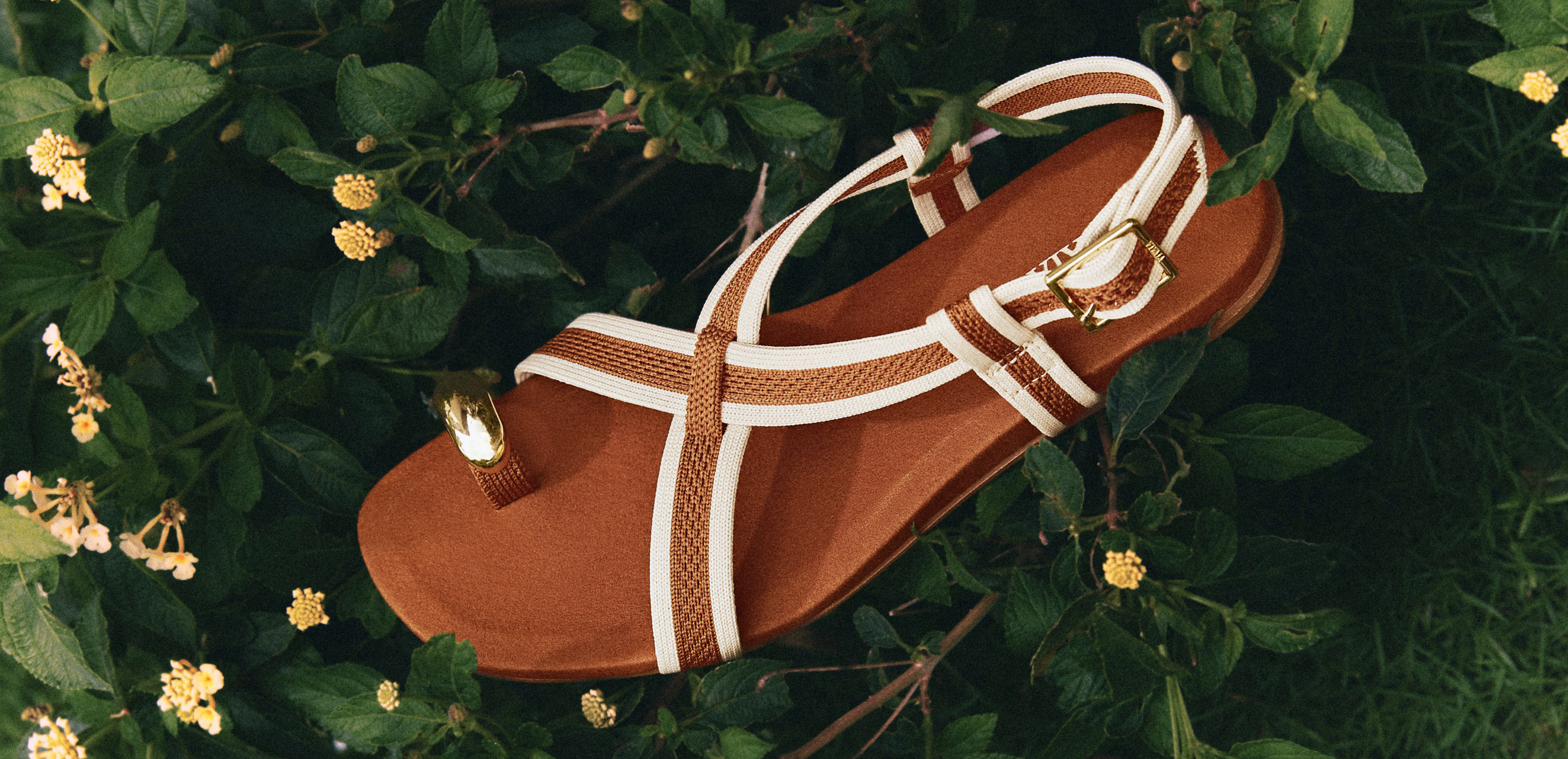
The open-toe design is more than an aesthetic choice. By allowing the toes to breathe and move naturally, peep toe sandals reduce the heat buildup and swelling that plague closed-toe shoes during summer months. Your toes aren’t compressed together, which means fewer blisters, less friction, and a noticeably cooler feel even on the hottest days. Many designs incorporate adjustable straps—whether buckle, Velcro, or elastic—that let you customize the fit around your ankle, instep, or heel. This adjustability is crucial because feet tend to swell as temperatures rise, and a sandal that accommodates that change keeps you comfortable from morning to evening. Lightweight construction also plays a significant role. Quality peep toe sandals use minimal but strategic material placement, so you’re not dragging extra weight with every step. Ergonomic features like contoured footbeds and arch support distribute pressure evenly across the sole, reducing fatigue during all-day wear and protecting against common issues like plantar fasciitis.
Material Matters for All-Day Wear
The materials used in peep toe sandals directly determine how they feel after hours on your feet. Soft, supple leathers mold to your foot’s shape over time, creating a personalized fit that synthetic alternatives often struggle to match. For those who prefer non-animal options, breathable fabrics like woven cotton or technical mesh offer excellent airflow while remaining gentle against the skin. Cushioned insoles made from memory foam or cork add a layer of shock absorption that transforms walking on hard surfaces into a far more forgiving experience. Many modern designs also feature moisture-wicking linings that pull sweat away from the skin, keeping feet dry and dramatically reducing the risk of blisters. Anti-blister properties aren’t limited to linings alone—smooth seam construction and padded strap edges prevent the rubbing that typically ruins a new pair of sandals during the break-in period. When these material choices work together, the result is a sandal you genuinely forget you’re wearing.

Embracing Sustainability: Eco-Friendly Peep Toe Sandals
The shift toward sustainable fashion isn’t a passing trend—it’s a fundamental change in how consumers think about every purchase, including their summer footwear. Peep toe sandals sit at an interesting intersection of this movement. Their relatively simple construction and reduced material usage compared to closed-toe shoes make them natural candidates for eco-friendly production. As more women seek sandals that align with their environmental values, brands have responded by rethinking everything from raw materials to factory practices, giving rise to a growing category of sustainable sandals that don’t ask you to compromise on comfort or aesthetics.
What Are Eco-Friendly Shoes Made Of?
Eco-friendly shoes rely on materials that minimize environmental harm at every stage of their lifecycle. Recycled plastics—particularly those recovered from ocean waste and post-consumer bottles—are now being transformed into durable straps, soles, and even woven uppers that rival conventional synthetics in both look and performance. Brands like VIVAIA have championed this approach, turning recycled materials into stylish, comfortable sandals that demonstrate how sustainability and design can go hand in hand. Natural rubber sourced from responsibly managed plantations provides flexible, long-lasting outsoles without the petroleum dependency of standard rubber compounds. Organic cotton, grown without synthetic pesticides or fertilizers, serves as a breathable upper material that’s gentler on both skin and soil. Cork, harvested from the bark of cork oak trees without felling them, has become a popular choice for footbeds because it molds to the foot naturally while being entirely renewable. Beyond materials, production processes matter enormously. Water-based adhesives replace toxic solvent glues, vegetable tanning eliminates the chromium chemicals traditionally used in leather processing, and solar-powered manufacturing facilities dramatically shrink a sandal’s carbon footprint before it ever reaches your doorstep.
Benefits of Choosing Recycled Material Sandals
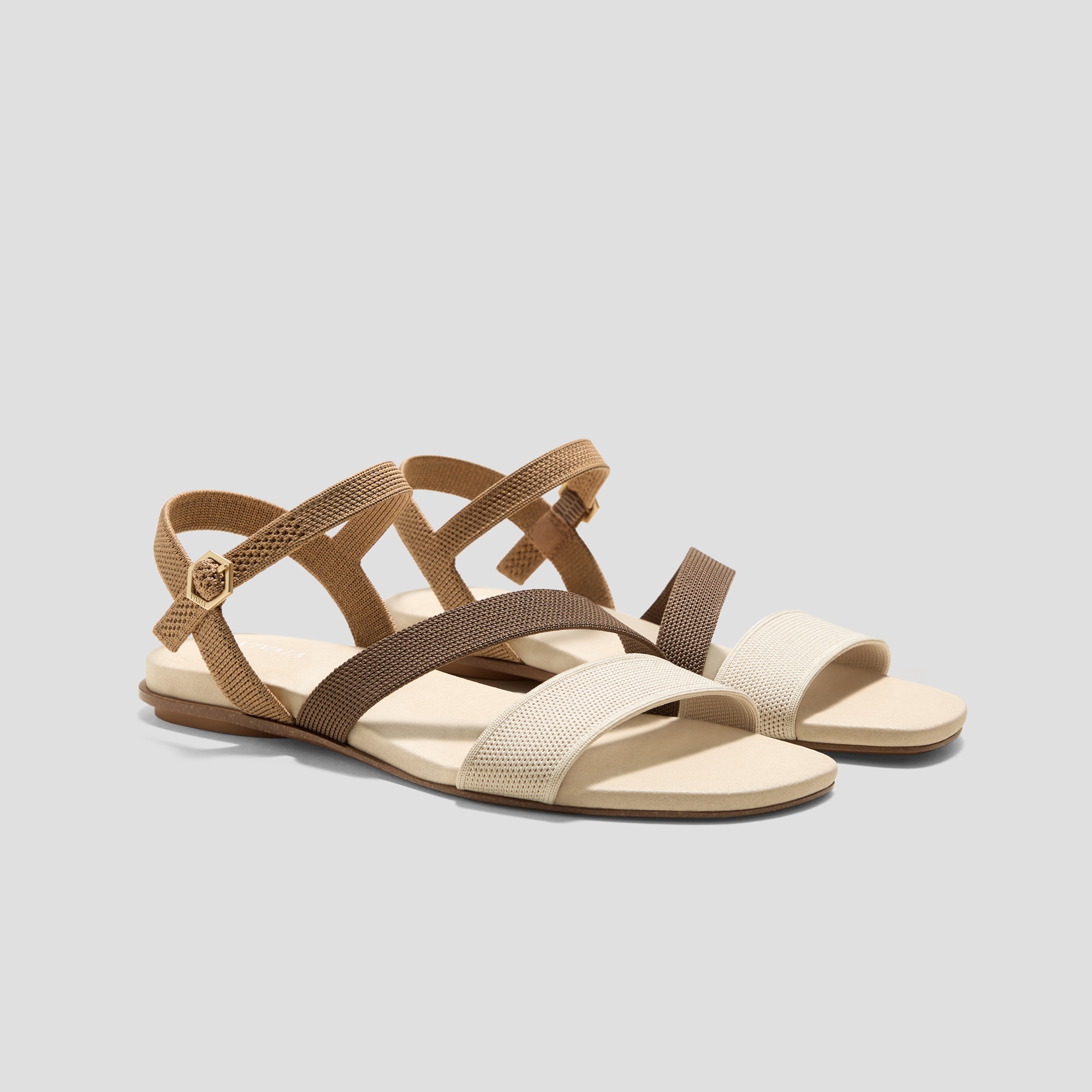
Choosing recycled material sandals creates a ripple effect that extends far beyond your closet. Every pair made from reclaimed ocean plastic diverts waste from marine ecosystems where it would otherwise threaten wildlife for centuries. On a broader scale, manufacturing with recycled inputs typically requires significantly less energy and water than producing virgin materials, which translates to measurable reductions in greenhouse gas emissions. But sustainability doesn’t mean sacrificing quality. Modern recycled materials undergo rigorous processing that makes them remarkably durable—often matching or exceeding the lifespan of their conventional counterparts. Recycled rubber outsoles maintain excellent grip and flexibility, while upcycled fabric uppers resist stretching and fading through multiple seasons of wear. For the conscious consumer, these sandals also carry an intangible but powerful benefit: the confidence that comes from knowing your purchase reflects your principles. When you wear eco-friendly peep toe sandals, you’re casting a vote for the kind of industry you want to support—one that values the planet as much as profit, and proves that responsible choices can still feel and look exceptional.
A Step-by-Step Guide to Finding Your Perfect Pair
Knowing that peep toe sandals can deliver both comfort and sustainability is one thing—actually finding the right pair is another challenge entirely. With countless brands making bold claims about eco-credentials and ergonomic design, it’s easy to feel overwhelmed standing in an aisle or scrolling through endless product pages. The good news is that a systematic approach cuts through the noise. By understanding your own needs first, then learning how to verify sustainability claims, and finally knowing where to look, you can confidently invest in sustainable sandals that genuinely serve your feet and your values.
Assessing Your Needs: Comfort vs. Style
Start by being honest about how you’ll actually wear your sandals. If you spend most summer days walking through farmers’ markets or chasing kids at the park, prioritize arch support, cushioned footbeds, and secure ankle straps over trendy silhouettes. If your sandals need to transition from office to evening drinks, look for sleek designs with a low wedge or block heel that provides height without sacrificing stability. When trying on sandals in-store, walk on hard flooring rather than carpeted areas to get a realistic sense of impact absorption. Pay attention to how the peep toe opening sits—your toes should peek through naturally without being squeezed forward or hanging over the edge. Try sandals on in the afternoon when your feet are slightly swollen, since this mimics how they’ll feel during actual summer wear. The best pair strikes a balance where you don’t have to choose between looking polished and feeling good at the end of a long day. Fashion trends come and go, but a well-fitting sandal with a timeless profile will carry you through multiple seasons.
How to Identify Sustainable Options
Not all “green” marketing tells the full story, so learning to spot genuine sustainability is essential. Look for recognized third-party certifications: the Global Organic Textile Standard (GOTS) verifies organic fibers, the Global Recycled Standard (GRS) confirms recycled content claims, and B Corp certification signals a company meeting rigorous social and environmental standards. Beyond labels, dig into a brand’s transparency. Trustworthy companies publish detailed information about their supply chains, factory locations, and material sourcing on their websites. If a brand only uses vague language like “eco-conscious” without specifics, treat that as a red flag. Compare the materials listed—a sandal made with recycled ocean plastic uppers and natural rubber soles carries a genuinely lower lifecycle impact than one that simply swaps its shoebox for recycled cardboard and calls it sustainable. Also consider repairability and end-of-life options. Some brands offer resoling services or take-back programs that keep sandals out of landfills, which dramatically extends their environmental value.
Where to Shop for Sustainable and Comfortable Sandals
Dedicated eco-footwear retailers—both online platforms and brick-and-mortar boutiques—curate collections specifically vetted for environmental and ethical standards, saving you hours of independent research. Online marketplaces focused on sustainable fashion often feature detailed filtering tools that let you sort by material type, certification, and production method. Local shoe stores that specialize in comfort footwear increasingly stock eco-friendly lines as well, and they offer the advantage of in-person fitting. Don’t overlook brand websites directly, where you’ll typically find the most comprehensive sustainability information alongside full size runs. When evaluating value for money, consider cost-per-wear rather than sticker price. A well-constructed pair of comfortable sandals made from durable recycled materials may cost more upfront than fast-fashion alternatives, but lasting three or four summers instead of one makes them the more economical—and far less wasteful—choice.
Style and Versatility: Styling Peep Toe Sandals
Peep toe sandals are one of those rare footwear categories that refuse to be boxed into a single occasion. Their structured silhouette reads more polished than a flat flip-flop, yet the open-toe detail keeps them relaxed enough for weekend errands. This versatility is exactly why they’ve become a wardrobe staple for women who want fewer shoes that do more work. Whether you gravitate toward neutral tones that pair with everything or bold colors that anchor an outfit, the right peep toe sandal adapts to your personal style rather than dictating it. And because comfort is built into their design, you never have to make that painful trade-off between looking great and actually enjoying your day.
Casual and Formal Outfit Ideas
For a laid-back weekend look, pair a flat or low-wedge peep toe sandal with cropped jeans and a linen blouse—the exposed toes keep the outfit feeling summery without trying too hard. Flowing midi dresses are another natural match, especially when the sandal echoes a color in the print for a pulled-together effect. When the setting calls for something sharper, a block-heel peep toe sandal elevates wide-leg trousers and a tucked-in silk camisole into polished office or dinner attire. The key to accessorizing is restraint: a delicate ankle bracelet or a coordinating pedicure draws attention to the peep toe opening without competing with it. Structured handbags and minimal jewelry let the sandal serve as the outfit’s grounding element rather than an afterthought.
Seasonal Adaptability
Peep toe sandals don’t have to disappear the moment temperatures dip. Pairing them with lightweight knit socks or sheer stockings extends their wearability into early fall, creating a layered look that feels intentional rather than out of season. Earthy tones like tan, olive, and cognac transition seamlessly from August into October. To keep your sandals performing across multiple seasons, store them away from direct sunlight, clean soles and straps regularly with appropriate material-specific products, and replace worn insoles before they lose their cushioning. A little maintenance goes a long way—well-cared-for peep toe sandals retain both their comfort and their shape, making them a reliable rotation piece year after year.
Comfort, Style, and Sustainability in Every Step
Peep toe sandals earn their reputation as a top contender for the ultimate summer comfort by combining thoughtful design with real-world wearability. The open-toe ventilation, ergonomic support, and carefully chosen materials address the core frustrations women face with warm-weather footwear—overheating, blisters, and fatigue—without forcing a compromise on appearance. Equally important, the growing availability of eco-friendly options means you no longer have to choose between what feels good on your feet and what sits right with your conscience. Recycled materials, ethical production, and transparent supply chains are transforming peep toe sandals from a simple summer staple into a statement of values. Armed with the guidance in this article—from evaluating your comfort needs and verifying sustainability claims to styling your sandals across occasions and seasons—you’re equipped to make a purchase that truly serves you. As the footwear industry continues its shift toward responsible innovation, the gap between sustainable and stylish will only keep shrinking. Your next pair of peep toe sandals can be the proof that doing right by the planet and treating your feet well are no longer competing goals—they’re one and the same.