Understanding the Design to Manufacturing Process and Its Challenges
The design to manufacturing process encompasses every step from initial concept and CAD modeling through engineering validation, tooling development, and final production. In an ideal world, design intent flows seamlessly into manufacturing execution without loss of fidelity. In reality, this journey is riddled with friction. Communication gaps between design engineers and production teams remain one of the most persistent pain points—designers specify tolerances or materials that manufacturing cannot efficiently produce, and this disconnect only surfaces after costly tooling has already begun. Manual errors compound the problem: transcribing dimensions from one system to another, re-entering bill of materials data, or interpreting 2D drawings from 3D models introduces mistakes that ripple downstream. Version control failures mean production floors sometimes work from outdated specifications, resulting in scrap and rework. These challenges share a common root cause—lack of integration. When CAD systems, PLM platforms, ERP software, and shop floor controls operate independently, information degrades at every handoff. The need for a unified digital thread connecting design decisions to manufacturing outcomes has never been more urgent, and modern digital solutions now make that continuity achievable for organizations of every size.
The Role of Digitalization in Modern Manufacturing
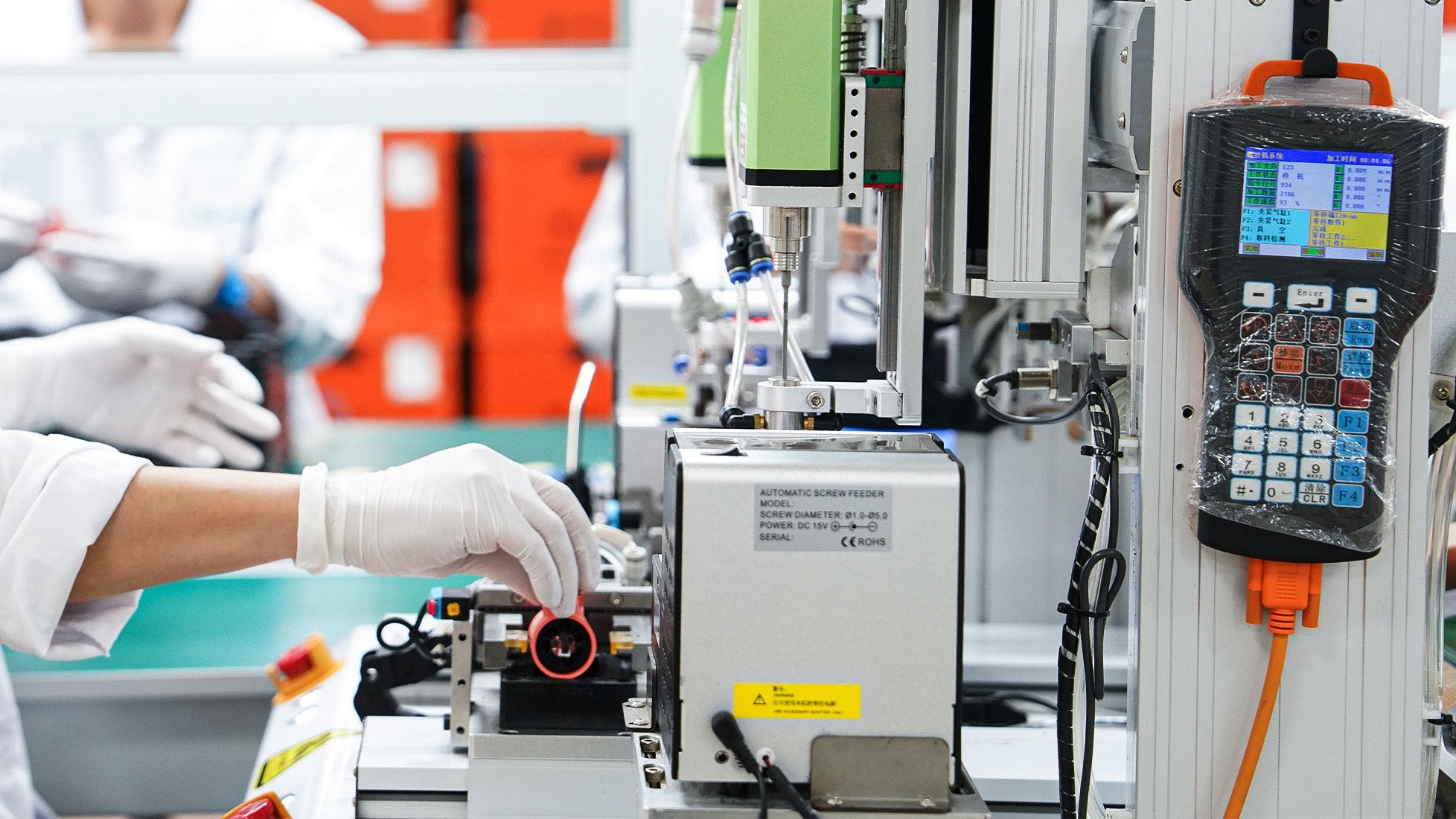
Digitalization fundamentally reshapes how manufacturers operate by replacing fragmented, paper-based handoffs with connected digital ecosystems where information flows continuously from design through delivery. Rather than treating each stage as an isolated function, digital transformation weaves design engineering, production planning, supply chain management, and quality control into a single responsive fabric. This shift delivers measurable improvements in agility—manufacturers can respond to design changes in hours instead of weeks, adapt production schedules dynamically, and identify bottlenecks before they cascade into costly delays. Waste reduction follows naturally: when every stakeholder works from the same validated data source, over-ordering materials, producing incorrect parts, and maintaining excessive safety stock become avoidable rather than inevitable. For manufacturers focused on efficiency, digitalization also enables predictive decision-making. Instead of reacting to problems after they surface on the production floor, teams leverage data-driven insights to anticipate issues during design review stages. The result is a manufacturing operation that competes on speed and precision simultaneously, meeting customer expectations for shorter lead times without sacrificing the quality standards that sustain long-term relationships.
Key Benefits of Digital Transformation
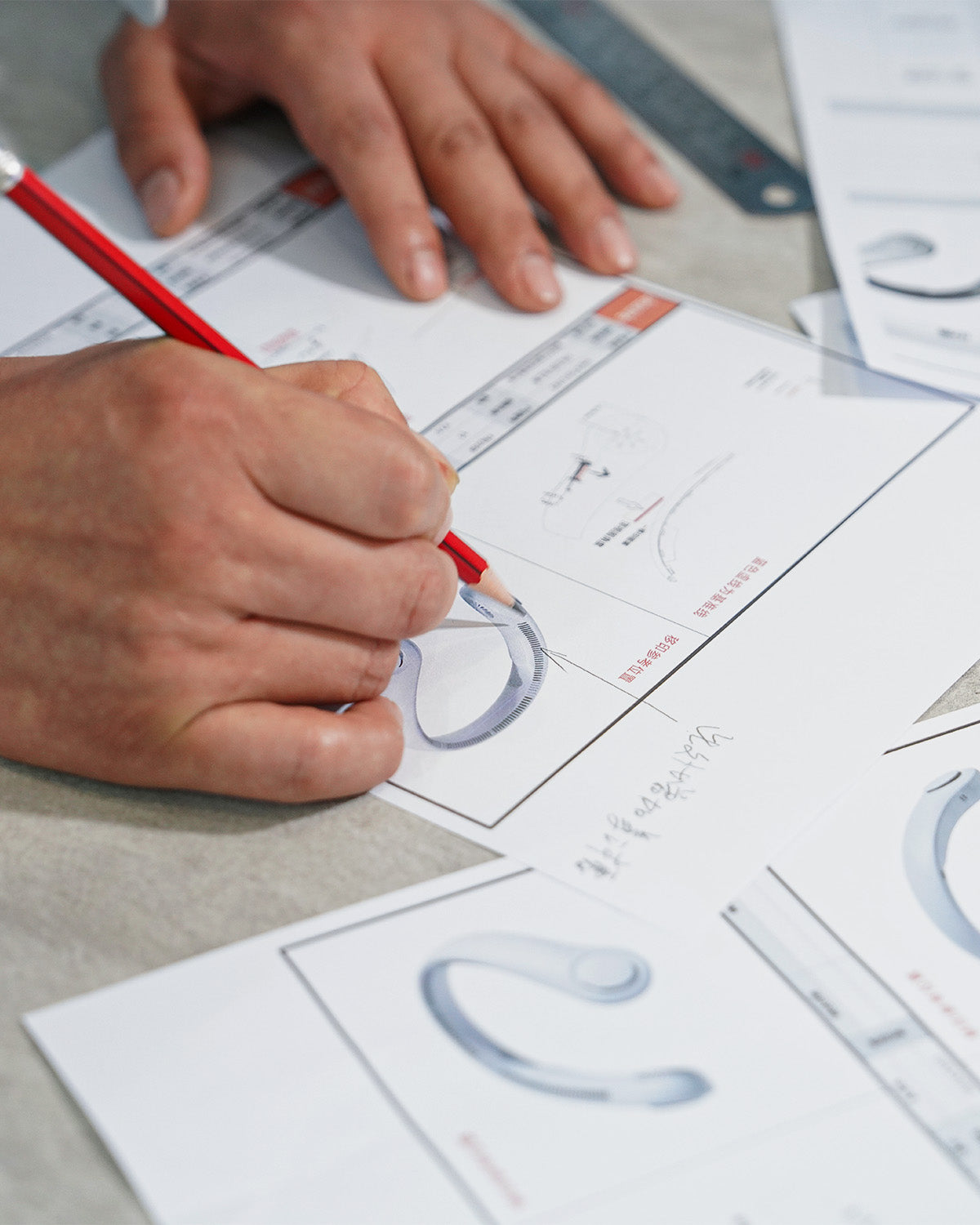
Enhanced collaboration stands as perhaps the most immediate benefit manufacturers experience after digitalizing their design to manufacturing workflows. When design engineers, process planners, and production teams share a unified digital environment, feedback loops that previously took days compress into real-time conversations anchored by actual model data. Faster prototyping follows directly—digital twins and simulation tools allow teams to validate manufacturability before committing to physical tooling, catching interference issues or material incompatibilities early when changes cost pennies rather than thousands. Cost savings accumulate across multiple dimensions: reduced scrap from version control errors, lower engineering change order volumes, decreased time spent manually translating specifications between systems, and fewer quality escapes reaching customers. One aerospace components manufacturer reported a 34% reduction in first-article inspection failures after implementing model-based definition practices that eliminated 2D drawing interpretation errors. Similarly, automotive suppliers leveraging integrated digital workflows have compressed new product introduction timelines by 20-40%, translating directly into competitive advantage when responding to OEM program awards.
Integrating Digital Tools into Supply Chain Management
Supply chain visibility improves dramatically when digital tools extend beyond the four walls of a single facility to connect suppliers, contract manufacturers, and logistics partners into a shared information network. Cloud-based platforms now enable manufacturers to share approved design data directly with suppliers, eliminating the lag and error potential of emailing file attachments or shipping physical drawings. When a design revision occurs, connected suppliers receive updated specifications automatically, with acknowledgment tracking that confirms receipt and understanding. Strategies for effective integration include implementing supplier portals that provide controlled access to current revision data, deploying supply chain management platforms that link procurement decisions to real-time production demand signals, and establishing digital quality feedback loops where supplier inspection data flows back into engineering systems for continuous improvement. Manufacturers who digitalize their supply chain touchpoints gain the ability to identify material shortages weeks earlier, reroute production schedules proactively, and maintain full traceability from raw material certification through finished goods—capabilities that prove especially critical in regulated industries where documentation gaps create compliance risk.
Managing Real-Time Production Data for Enhanced Visibility
Real-time production data transforms manufacturing from a reactive discipline into a proactive one. When managers can see exactly what’s happening on the production floor at any given moment—machine utilization rates, cycle times, defect occurrences, material consumption—they gain the ability to intervene before small deviations become expensive problems. The shift from batch reporting (where production data arrives hours or days after events occur) to continuous streaming fundamentally changes decision-making speed. A machining center drifting out of tolerance gets flagged immediately rather than after an entire shift’s worth of parts require inspection. Material shortages surface when buffer stock hits threshold levels, not when an operator reaches for an empty bin. This visibility also bridges the design-manufacturing gap directly: when production data feeds back into engineering systems, designers gain empirical evidence about which specifications cause manufacturing difficulty, enabling smarter design decisions on future programs. For manufacturers managing complex operations across multiple lines or facilities, centralized data dashboards eliminate the information asymmetry that traditionally forced managers to rely on anecdotal floor reports. The organizations achieving the greatest returns treat real-time data not as a monitoring tool but as the connective tissue linking design intent to production reality.
Tools and Technologies for Real-Time Data
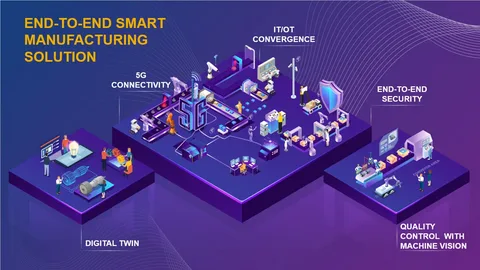
IoT sensors form the foundation layer of real-time data collection, capturing machine states, environmental conditions, dimensional measurements, and process parameters directly from equipment without requiring manual operator input. Edge computing devices process this raw sensor data locally, filtering noise and performing initial analytics before transmitting meaningful signals to cloud platforms where advanced analysis occurs. Manufacturing Execution Systems (MES) serve as the orchestration layer, correlating data from multiple sources into coherent production narratives—connecting a specific part’s genealogy from raw material through every processing step to final inspection. Analytics platforms built on this data infrastructure deliver predictive maintenance alerts, statistical process control insights, and Overall Equipment Effectiveness calculations that quantify improvement opportunities in concrete terms. Integration with existing systems matters critically: the most effective implementations connect IoT data streams to PLM and ERP platforms through standardized APIs, ensuring that production reality continuously informs both engineering decisions and business planning. Manufacturers beginning this journey should prioritize interoperability over feature richness—a sensor network that feeds isolated dashboards delivers far less value than a modest data collection system that connects directly into design feedback loops and supply chain visibility tools already in use.
Building Integrated Workflows for Seamless Operations
Integrated workflows eliminate the handoff mentality that plagues traditional manufacturing by creating continuous digital pathways where design data, process instructions, and quality requirements flow as a single connected stream rather than discrete packages tossed over departmental walls. In practice, this means a design engineer’s tolerance decision automatically populates the CNC programming environment, triggers inspection plan generation, and updates procurement specifications—without anyone manually re-entering or reinterpreting that information. The technical foundation for these workflows relies on model-based definition, where 3D CAD models carry complete product manufacturing information as machine-readable annotations rather than relying on separate 2D drawings that require human interpretation. Companies that have successfully built integrated workflows report that the cultural shift matters as much as the technology. Cross-functional teams must jointly define how information should flow, agreeing on data ownership, change approval sequences, and exception handling protocols before any platform implementation begins. A medical device manufacturer that restructured its workflows around a unified digital thread reduced its engineering change cycle from 14 days to 3, while simultaneously cutting documentation errors by 60%. The best practice emerging across industries is to start with a single product family, map every information exchange point from design release through first production run, digitalize those specific handoffs, validate the results, and then expand systematically to additional product lines.
A Step-by-Step Guide to Implementing Digital Solutions
Moving from fragmented processes to a digitalized design-to-manufacturing workflow requires deliberate planning rather than wholesale technology adoption. Manufacturers who succeed treat implementation as a phased journey—assessing where they stand, selecting tools that address specific gaps, executing disciplined rollouts, and measuring outcomes against defined benchmarks. The goal is not to digitalize everything simultaneously but to build momentum through targeted wins that demonstrate value and earn organizational buy-in for broader transformation.
Assessing Current Processes and Needs
Begin by mapping every information exchange between design and manufacturing in granular detail. Walk a single product from design release through first article production, documenting each point where data changes hands, format, or system. Identify where manual re-entry occurs, where version confusion has caused past errors, and where teams wait for information that should already be available. Quantify the cost of these gaps—hours lost to rework, scrap generated from outdated drawings, days added to timelines by approval bottlenecks. Interview operators, engineers, and planners to surface pain points that process maps alone won’t reveal. This assessment produces a prioritized list of digitalization opportunities ranked by impact and feasibility, giving leadership a clear business case for investment rather than a vague mandate to “go digital.”
Selecting the Right Digital Tools
Tool selection should follow directly from your assessment findings rather than vendor marketing. Prioritize platforms that integrate with your existing CAD and ERP environments through open APIs—closed ecosystems that require wholesale replacement of working systems rarely justify their disruption cost. Evaluate solutions against four criteria: data continuity (can design information flow to manufacturing without format conversion?), scalability (will the tool serve additional product lines without architectural rework?), supply chain connectivity (can external partners access relevant data securely?), and real-time capability (does the platform support live production data feedback into engineering systems?). Request demonstrations using your actual product data rather than vendor samples, and involve end users from both design and manufacturing in evaluation sessions to surface usability concerns before procurement decisions lock in.
Implementation and Integration Steps
Start with a pilot program on a single product family where you can control variables and measure results clearly. Run the digitalized workflow in parallel with existing processes for one complete production cycle to validate data integrity and identify integration failures without risking delivery commitments. Invest heavily in training during this phase—not just software operation, but the new collaborative behaviors that integrated workflows demand. After pilot validation, expand methodically: connect additional product lines, onboard suppliers to shared platforms, and extend real-time data collection to more equipment. In the molding manufacturing space, companies like WEILAN MFG have demonstrated how connecting mold design data directly to production floor systems reduces iteration cycles and improves first-shot success rates on complex tooling programs. Establish clear metrics from day one—engineering change cycle time, first-pass yield, data re-entry hours eliminated—and review them monthly to demonstrate ROI and identify areas needing adjustment. Manufacturers who follow this disciplined approach consistently report that the second and third product line integrations proceed at twice the speed of the pilot, as teams internalize both the technology and the cross-functional collaboration it enables.
Building Your Digital Foundation for Future-Ready Manufacturing
Digitalizing the design to manufacturing process is no longer a competitive advantage reserved for industry giants—it’s becoming the baseline requirement for manufacturers who intend to remain relevant. The path forward involves recognizing that fragmented workflows, manual handoffs, and disconnected systems represent solvable problems rather than inevitable costs of doing business. By building integrated digital threads that connect design intent directly to production execution, manufacturers gain the visibility needed to eliminate waste, the agility to respond to changes rapidly, and the data-driven confidence to make better decisions at every stage. Real-time production data closes the feedback loop between what engineers specify and what the shop floor actually produces, turning every production run into a learning opportunity that improves the next. Supply chain digitalization extends these benefits beyond facility walls, creating resilient networks that adapt rather than break under pressure. The manufacturers achieving the strongest results start small, prove value quickly, and expand systematically—building organizational confidence alongside technical capability. As AI-driven analytics, digital twins, and autonomous manufacturing systems continue maturing, the digital foundation you build today becomes the platform for tomorrow’s capabilities. The question facing manufacturers is no longer whether to digitalize, but how quickly they can close the gap between where they are and where connected, intelligent manufacturing demands they be.