Why the Right Stir-Frying Skillet is Essential for Home Cooks
Stir-frying is fundamentally a game of heat—intense, evenly distributed, and responsive to your adjustments. When your skillet conducts heat poorly, you end up with cold zones where food steams and hot spots where it burns. The right pan eliminates this problem by delivering uniform thermal energy across its entire cooking surface, allowing proteins to develop that coveted golden crust and vegetables to char lightly while staying crisp inside. This rapid, consistent searing is what locks in natural flavors and creates the complex, slightly smoky taste known as wok hei.
 For home cooks who stir-fry several times a week, the skillet becomes the most-used tool in the kitchen. A quality pan responds quickly when you raise or lower the flame, giving you precise control over delicate sauces and fast-cooking greens alike. It also means less oil needed to prevent sticking, healthier meals, and far less time scrubbing residue afterward. Investing in proper cookware isn’t an indulgence—it’s a practical decision that pays dividends every single time you cook. Consistent results build confidence, and confidence transforms everyday cooking from a chore into something genuinely satisfying.
Exploring Key Types of Frying Pans and Cookware
The world of cookware offers a wide range of frying pans designed for different cooking styles, and understanding your options is the first step toward better stir-frying. Each material and design brings distinct advantages to the stovetop, so matching the right pan to your specific needs makes all the difference.
Material Comparison: From Cast Iron to Stainless Steel
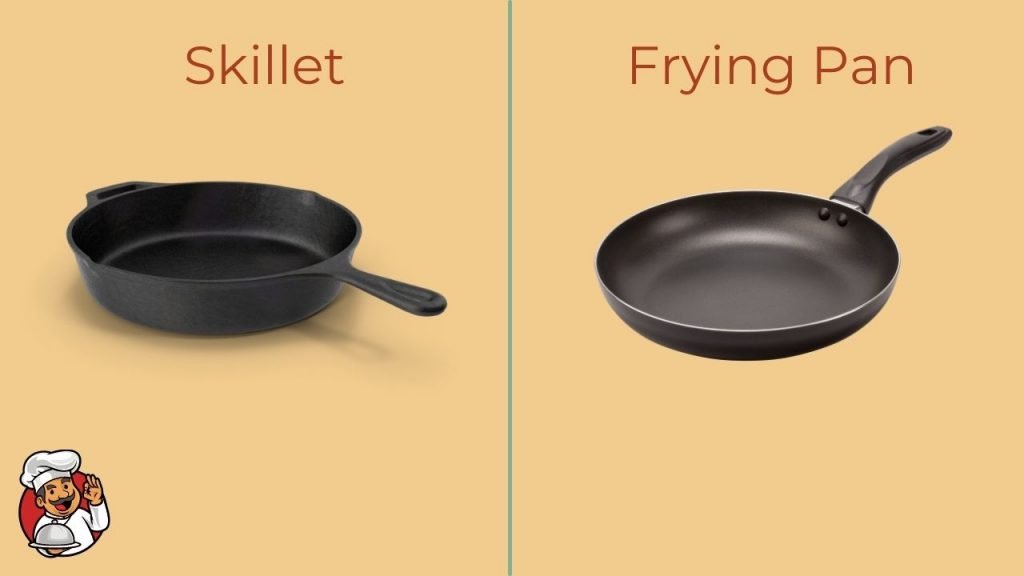
Carbon steel is a favorite among stir-fry enthusiasts because it heats quickly, responds to temperature changes almost instantly, and develops a natural non-stick patina over time—though it requires seasoning and careful maintenance to prevent rust. Cast iron delivers exceptional heat retention, making it ideal for high-heat searing, but its weight can make tossing ingredients difficult during fast-paced stir-frying. Stainless steel offers excellent durability and won’t react with acidic sauces, yet food tends to stick without proper technique and sufficient oil. Modern non-stick coatings provide effortless food release and easy cleanup, though they generally perform best at moderate-to-high heat rather than extreme temperatures. When evaluating durability, carbon steel and cast iron can last decades with proper care, while non-stick pans offer convenience with a more defined lifespan depending on coating quality.
Choosing the Right Size and Shape for Stir-Frying
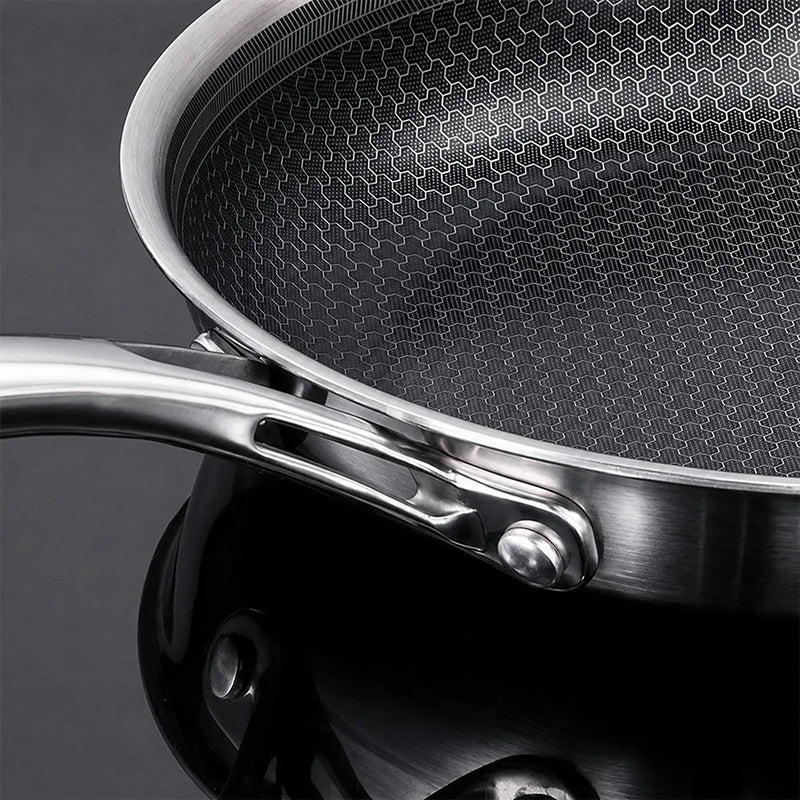
For most home stoves, a skillet between 28 and 32 centimeters in diameter strikes the best balance between cooking capacity and heat efficiency—too large and your burner can’t heat the edges properly. Look for pans with gently sloped sides that allow you to push ingredients up and away from the hottest center, mimicking the curved walls of a traditional wok. Adequate depth—at least 5 to 7 centimeters—prevents food from spilling during vigorous tossing while still allowing moisture to escape as steam rather than pooling at the bottom.
The Advantages of Non-Stick Frying Pans in Your Kitchen
Non-stick frying pans have earned their place in home kitchens for good reason, particularly when it comes to stir-frying. The most immediate benefit is effortless food release—thinly sliced chicken, tofu cubes, and delicate shrimp lift cleanly from the surface without tearing or leaving behind stubborn residue. This means you can achieve beautiful caramelization on proteins and vegetables without the anxiety of everything welding itself to the pan the moment it touches down.
From a health perspective, non-stick cookware allows you to cut oil usage significantly. Where a stainless steel pan might require a generous pour to prevent sticking, a quality non-stick surface lets you stir-fry with just a light coating—enough for flavor and heat transfer without excess fat. For home cooks managing dietary goals or simply preferring lighter meals, this advantage adds up across hundreds of weeknight dinners. Cleanup becomes remarkably straightforward too: a soft sponge and warm soapy water handle most post-cooking messes in under a minute, eliminating the soaking and scrubbing that discourages people from cooking on busy evenings. Consider a practical scenario—you’re making a quick garlic shrimp stir-fry after work. With a non-stick pan, the shrimp sear without fusing to the surface, the garlic toasts evenly without burning into stuck-on patches, and you’re eating within fifteen minutes while the pan practically wipes itself clean.
What Makes a Durable Frying Pan? Key Factors to Consider
Durability in a frying pan comes down to how well it resists the daily stresses of high-heat cooking, repeated thermal cycling, and regular cleaning. Construction quality is the foundation—look for pans with a solid base thickness of at least 3 to 4 millimeters, as thinner bottoms warp over time when exposed to intense heat, creating uneven contact with your burner and frustrating hot spots. Forged pans generally outperform stamped ones because the manufacturing process compresses the metal into a denser, more warp-resistant structure that maintains its flat profile through years of use.
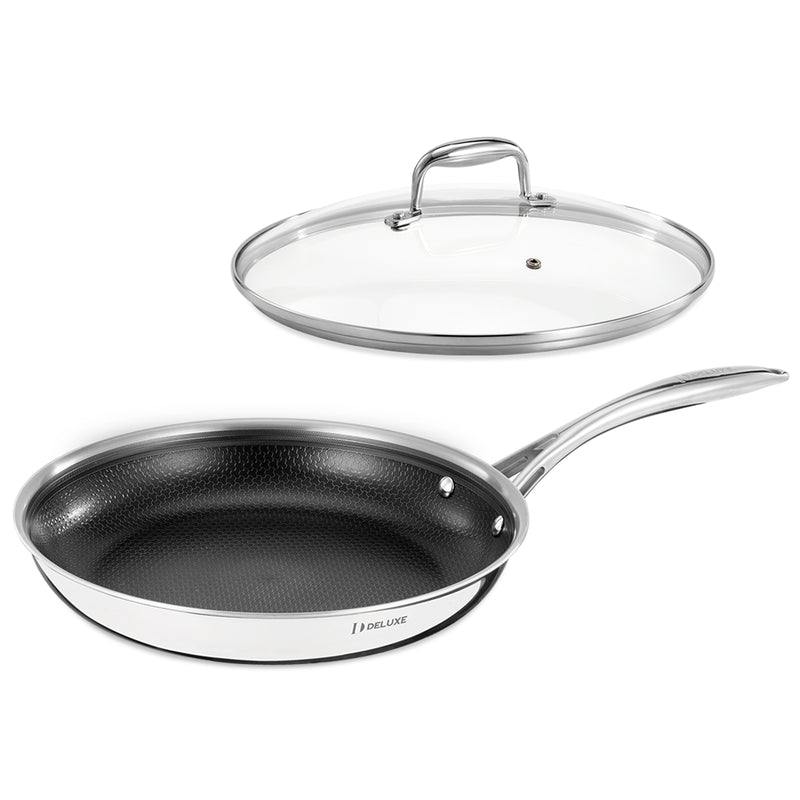
Coating longevity separates durable frying pans from those that deteriorate after a few months. Multi-layer non-stick systems—where several reinforced coatings are applied over a textured base—grip the pan surface more effectively and resist scratching from spatulas and tongs far better than single-layer alternatives. Some manufacturers incorporate mineral or ceramic particles within the coating to boost abrasion resistance. Beyond the cooking surface, examine handle attachment points: riveted handles withstand more stress than welded or glued connections, and heat-resistant materials prevent loosening over time. Finally, consider how the pan handles thermal shock—quality cookware tolerates moving from a hot burner to a countertop without cracking or deforming, a real-world demand that cheaper options frequently fail to meet after repeated use.
Step-by-Step Guide to Selecting Your Perfect Stir-Frying Skillet
Finding the right skillet doesn’t require guesswork—follow a structured approach to narrow your options and land on cookware that genuinely fits your kitchen life.
Step 1: Assess Your Cooking Habits and Needs
Start by honestly evaluating how often you stir-fry and what you typically cook. If you’re making quick vegetable stir-fries three or four nights a week, you need a pan that handles rapid heating cycles without degrading. Consider your stove type as well—induction cooktops require magnetic-compatible bases, while gas burners work with virtually any material. Think about portion sizes too: cooking for one or two people demands a different pan than feeding a family of five in a single batch.
Step 2: Identify Must-Have Features and Specifications
Prioritize the features that matter most for your cooking style. Heat conductivity should rank near the top—aluminum cores or carbon steel bodies transfer energy fastest for proper searing. Handle ergonomics matter more than most people realize; a comfortable, stay-cool handle encourages proper tossing technique and reduces wrist fatigue during extended cooking sessions. If you finish dishes in the oven or broiler, confirm the pan is oven-safe to the temperatures you need. Weight is another practical consideration—lightweight enough to maneuver with one hand, yet substantial enough to retain heat when cold ingredients hit the surface.
Step 3: Research Brands and Read User Reviews
Once you know what you need, compare offerings from established cookware manufacturers with proven track records in durability and performance. Brands like Deluxe Cookware and other reputable names have built their reputations on consistent quality, so look beyond marketing claims and dig into customer reviews, paying special attention to feedback from people who’ve used the pan for six months or longer. Reviews mentioning warping, coating peeling, or handle loosening after repeated use reveal issues that initial impressions miss. Cooking forums and independent review sites often provide more nuanced assessments than retailer pages alone.
Step 4: Make a Smart Purchase Based on Budget and Value
Set a realistic budget, but think in terms of cost-per-year rather than sticker price. A moderately priced pan lasting five years delivers far better value than a cheap option replaced annually. Check warranty terms—manufacturers confident in their products typically offer multi-year guarantees against defects. Purchase from authorized retailers to ensure warranty validity, and watch for seasonal sales or bundle deals that pair skillets with complementary lids or utensils without inflating the overall cost.
Maintaining Your Skillet for Long-Term Performance
Proper care extends your skillet’s lifespan dramatically. Always let the pan cool before washing—plunging a hot non-stick surface into cold water accelerates coating breakdown. Clean with a soft sponge and mild dish soap, avoiding abrasive scrubbers that scratch protective layers. Store pans with a cloth or paper towel between them if stacking, preventing surface-to-surface contact that causes micro-scratches. For carbon steel or cast iron, dry thoroughly after washing and apply a thin oil film to guard against rust. Replace non-stick pans when the coating visibly flakes or food begins sticking despite proper technique—continuing to use damaged cookware compromises both cooking performance and food quality.
Elevate Your Stir-Fry Results with the Right Cookware
The difference between disappointing home stir-fries and restaurant-quality results often comes down to a single piece of equipment. Throughout this guide, we’ve seen how the right skillet delivers the even, intense heat that transforms ordinary ingredients into vibrant, flavorful dishes with proper sear and satisfying texture. Non-stick frying pans offer compelling advantages for everyday stir-frying—effortless food release, reduced oil consumption, and cleanup that takes seconds rather than minutes of scrubbing. When evaluating durability, factors like base thickness, multi-layer coatings, and solid handle construction separate cookware that lasts years from pans that warp and deteriorate within months.
The selection process becomes straightforward when you approach it methodically: assess your cooking habits, identify the features that matter most for your stove and style, research brands through long-term user reviews, and think about value over the pan’s entire lifespan rather than just the initial cost. Armed with this knowledge, you’re equipped to choose cookware that genuinely elevates your cooking. Take the next step—apply these criteria to find a skillet that matches your needs, and experience the satisfaction of stir-fries that finally live up to your expectations every single night of the week.