Why Hearing Health Matters for Children
Hearing is the foundation upon which children build language, form social connections, and engage with the world around them. From the moment a baby responds to a parent’s voice, auditory input shapes neural pathways responsible for speech development, reading readiness, and emotional understanding. When hearing loss goes undetected, children may fall behind in vocabulary growth, struggle to follow classroom instructions, or withdraw from group interactions because they simply can’t keep up. Common signs parents notice include frequently asking “what?” during conversations, sitting unusually close to speakers or screens, delayed pronunciation compared to same-age peers, and inconsistent responses to sounds. These behaviors don’t always point to hearing loss—but they deserve attention. Early detection through tools like an online hearing assessment allows families to identify potential concerns before they compound into academic or social challenges. The sooner a hearing issue is recognized, the more effectively interventions such as speech therapy or amplification devices can support a child’s trajectory, making routine screening an essential part of proactive parenting.
What is an Online Hearing Assessment?
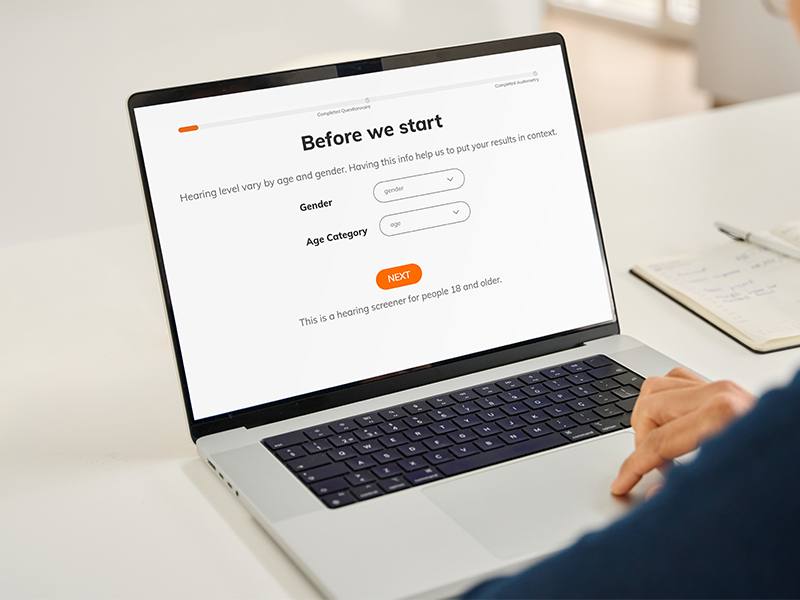
An online hearing assessment is a digital screening tool that evaluates how well your child perceives sounds across different frequencies and volumes. Delivered through a web browser or app, the test typically plays calibrated tones or speech-like sounds through headphones while prompting the child—or the parent observing—to indicate what was heard. Unlike traditional audiometry conducted in a soundproof booth with specialized equipment, these platforms bring a streamlined version of that process to your living room. The technology relies on validated audio algorithms adjusted for standard consumer headphones, ensuring results remain meaningful even outside a clinical setting. For children, many platforms incorporate game-like elements—animated characters, reward sounds, or tap-based responses—so the experience feels playful rather than medical. No doctor’s referral or prescription is required to begin; you simply access the platform, follow setup instructions, and start. While an online hearing assessment doesn’t replace a comprehensive diagnostic evaluation, it serves as a reliable first filter that helps parents determine whether their child’s hearing warrants further professional attention.
Benefits of At-Home Comfort and No Prescriptions
Taking a hearing test at home removes many barriers that make clinical visits stressful for young children and their parents alike. There’s no need to coordinate schedules with a specialist’s office, arrange childcare for siblings, or spend time in unfamiliar waiting rooms that can heighten a child’s anxiety before the assessment even begins. Privacy is another advantage—parents can review results without feeling rushed or pressured in a clinical setting, giving them space to process information and research next steps on their own timeline. Because no prescription or referral is required, families save both time and money while gaining immediate access to screening tools whenever concerns arise. This accessibility is especially valuable for parents in rural areas or those without convenient access to pediatric audiology services.

Reducing Anxiety with Familiar Environments
Children perform best when they feel safe, and nothing feels safer than home. In a clinical setting, unfamiliar equipment, strangers, and sterile surroundings can make even cooperative kids fidgety or unresponsive—skewing test accuracy. At home, your child sits in a space they associate with comfort and play, which encourages natural responses to test stimuli. They’re more likely to stay engaged with interactive audio exercises when the couch, their favorite stuffed animal, or a parent’s reassuring presence is nearby. This relaxed state leads to more reliable results because the child isn’t distracted by environmental stress, giving parents a clearer picture of actual hearing ability.
Step-by-Step Guide to a Simple Online Hearing Test for Kids
Running a simple online hearing test for kids doesn’t require technical expertise—just a few minutes of preparation and a willing child. The process is designed to feel intuitive for parents and engaging for children, turning what could be a clinical experience into something closer to a game. Most platforms guide you through each phase with on-screen prompts, so you’re never left guessing what comes next.
Pre-Test Preparation Tips
Start by choosing a quiet room where background noise won’t interfere—turn off fans, close windows, and silence phones. Use over-ear headphones rather than earbuds, as they provide better sound isolation and fit more comfortably on small heads. Ensure your device volume is set to the level recommended by the platform, typically around 50 percent, before the test calibrates itself. Explain to your child in simple terms what will happen: “You’ll hear some sounds and tell me when you hear them.” If they’re old enough, let them practice tapping a button or raising a hand so the response method feels natural before real tones begin.
During the Test: What to Expect
Once the assessment starts, your child will hear tones at varying pitches and volumes—some barely perceptible, others clear and obvious. Many platforms use animated characters that react when the child taps or clicks, keeping motivation high throughout the session. Younger children may need a parent to observe behavioral cues like head turns or eye movements and log responses on their behalf. The entire process usually takes five to ten minutes. If your child loses focus, most tools allow you to pause and resume without losing progress. Stay nearby to offer encouragement, but avoid prompting responses—accurate results depend on the child reacting only to what they genuinely hear.
Interpreting Easy to Understand Results
After the test concludes, most platforms generate easy to understand results within seconds—typically displayed as color-coded charts or simple pass/refer indicators for each ear. Green zones suggest hearing falls within normal range for your child’s age, yellow signals borderline performance worth monitoring, and red highlights frequencies where responses were consistently missed. Some tools provide a numerical score alongside a brief written summary explaining what the numbers mean in everyday terms. If results show normal hearing across all tested frequencies, you can feel reassured while continuing to monitor development over time. If certain frequencies show weakness—particularly in the speech range between 500 and 4000 Hz—the platform will usually recommend repeating the test under optimal conditions or scheduling a professional evaluation. Keep in mind that a single screening reflects one moment in time; factors like mild congestion, fidgeting, or ambient noise can influence outcomes. Saving or printing results creates a useful reference point for future comparisons and gives any specialist you consult a head start in understanding your child’s hearing history.
When to Consult Hearing Specialists
Online screening results serve as a starting point, not a final diagnosis. If your child’s assessment flags concerns—particularly repeated red or yellow indicators in the speech frequency range—scheduling an appointment with a pediatric audiologist is the logical next step. You should also seek professional evaluation if your child consistently struggles to hear in noisy environments, shows regression in speech clarity, or if multiple screenings over several weeks produce inconsistent results. A hearing specialist conducts comprehensive diagnostic testing in controlled conditions, using bone conduction and tympanometry to pinpoint whether the issue stems from the outer, middle, or inner ear. They can also rule out temporary causes like fluid buildup from ear infections. Beyond diagnosis, audiologists provide tailored recommendations—whether that means monitoring over time, referring to an ear-nose-throat physician, or fitting amplification devices. Bringing your saved online test results to the appointment gives the specialist useful baseline data and demonstrates the timeline of your observations. Trust your instincts as a parent: if something feels off despite a normal screening, professional confirmation offers the clarity your family deserves.
Guidance on Hearing Aids Suitable for Young Users
When an online screening and subsequent professional evaluation confirm that your child needs amplification, understanding the landscape of pediatric hearing aids helps you make informed decisions. Modern devices designed for young users prioritize durability, comfort, and adaptability to growing ears. Behind-the-ear models remain the most common choice for children because they accommodate frequent earmold replacements as the ear canal grows, and they’re robust enough to withstand the bumps of daily play. Many pediatric hearing aids feature tamper-resistant battery compartments and moisture-resistant coatings—practical details that matter when your user is a curious toddler or an active school-age child. Wireless connectivity allows streaming from classroom FM systems directly to the device, bridging the gap between a teacher’s voice and your child’s ear in noisy learning environments. Your audiologist will program the aid based on your child’s specific audiogram and adjust settings as hearing needs evolve over time.
Selecting the Right Hearing Aid for Your Child
Choosing the right device involves balancing your child’s age, degree of hearing loss, and lifestyle. For infants and toddlers, compact behind-the-ear aids with soft silicone earmolds offer secure fit without irritation. School-age children benefit from models with directional microphones that emphasize speech from the front while reducing background chatter. Brands like ELEHEAR have developed hearing aid solutions that incorporate AI-driven noise reduction and user-friendly app controls, features that can be particularly helpful for families managing a child’s amplification needs at home. Ask your specialist about devices with LED indicator lights so teachers and caregivers can confirm the aid is functioning at a glance. Pediatric-specific color options and decorative covers can also encourage older children to wear their aids confidently rather than hiding them. Throughout the process, regular follow-up appointments ensure the fit remains comfortable and amplification levels match your child’s changing needs.
Take the First Step Toward Protecting Your Child’s Hearing
Your child’s hearing shapes every conversation they have, every lesson they absorb, and every friendship they build. Catching potential issues early gives them the best chance to thrive academically and socially, and a simple online hearing test for kids makes that first step remarkably accessible. Without needing a prescription or a clinic visit, you can screen your child’s hearing in a familiar, low-stress environment and receive easy to understand results that guide your next move. If concerns surface, you now know what to look for, how to interpret findings, and when professional evaluation becomes necessary. Should a hearing aid be recommended, today’s pediatric devices are designed with young lives in mind—durable, comfortable, and adaptable as your child grows. The most important action you can take is simply starting: run that first screening, save the results, and repeat periodically as your child develops. Proactive monitoring paired with specialist support when needed ensures that hearing never becomes a silent barrier to your child’s potential.