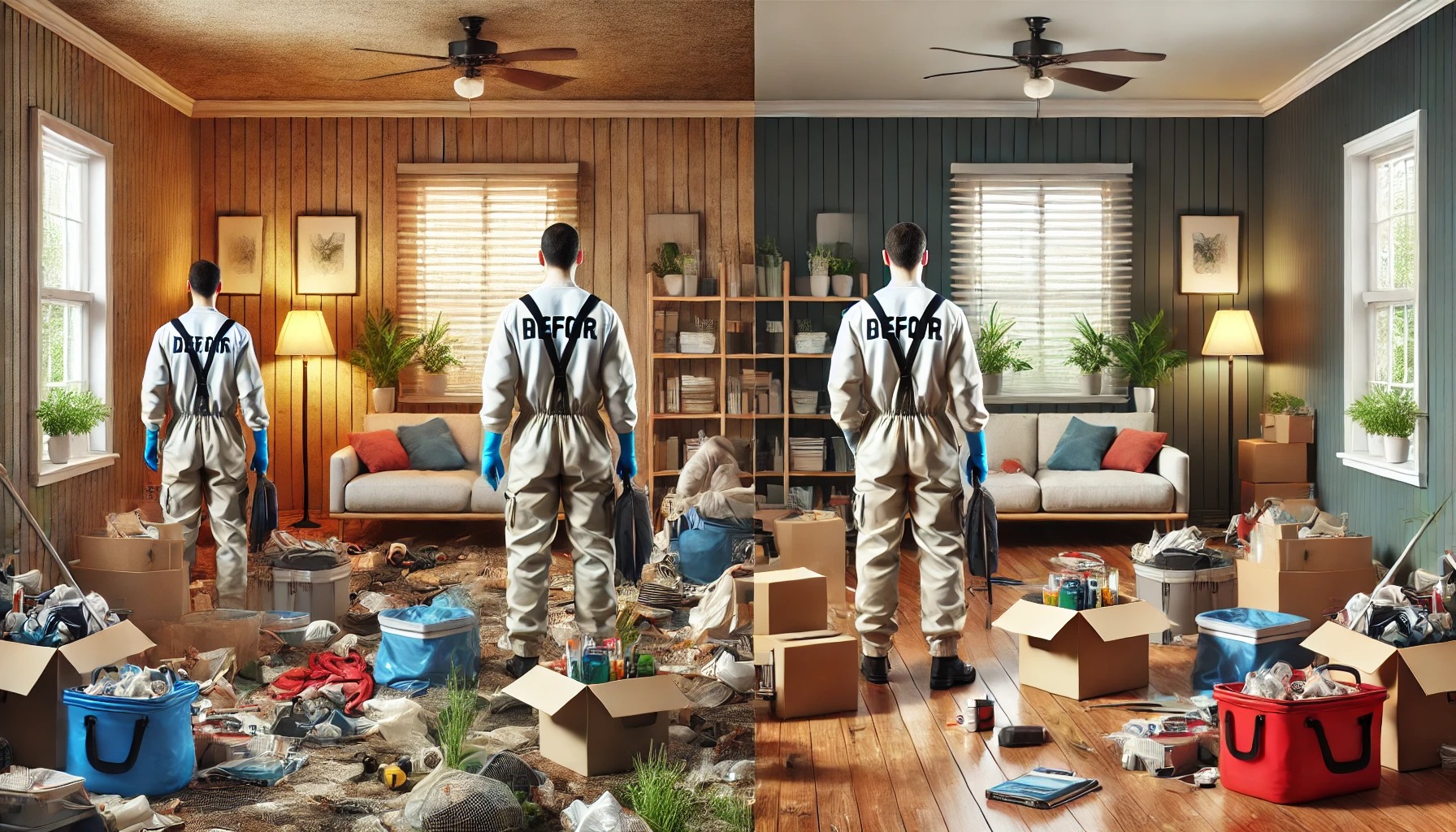
If you’re facing the task of cleaning up a hoarding situation, you might already know how overwhelming it can feel. It’s not just about picking up piles of stuff. There are real safety, health, emotional, and logistical challenges that make hoarding cleanup tough — even more than you might expect.
In this article, we’ll look at the top challenges people run into during hoarding cleanup and how trained professionals handle them safely and respectfully.
1. Safety Risks from Unstable Clutter
One of the first things you’ll notice in a cleaning up a hoarding situation is how unstable items can be. Boxes stacked high, piles of belongings leaning at odd angles — all of this can fall and injure someone trying to clean.
Professionals know how to assess which areas are most dangerous. They start by stabilising piles and clearing safe paths before they remove anything heavy. They also wear protective gear so they’re not hurt by a falling object.
2. Fire Hazards Hidden in Clutter
When exits are blocked and flammable items like paper or fabric are everywhere, the risk of fire goes up dramatically. Blocked exits can also make escape hard in an emergency. According to the National Fire Protection Association, these kinds of conditions can make it tough for firefighters to enter and leave safely during a fire, which increases danger for everyone involved.
Professionals evaluate fire risks before they even begin cleaning. They move clutter that blocks doors and safely remove flammable materials so everyone stays safe.
3. Biohazards and Health Threats
Hoarded spaces often have mold, dust, pests, and old food. These can carry harmful bacteria and make the air unsafe to breathe. Pest droppings and infestations may also spread disease.
Cleanup crews use the right tools and protective equipment to reduce exposure to these hazards. They also properly dispose of contaminated materials, something you shouldn’t try without training.
4. Poor Air Quality and Mold
Mold thrives in places where airflow is blocked and moisture sticks around. In hoarded environments, mold spores can build up and trigger serious respiratory issues like allergies or asthma.
Professionals don’t just pick up clutter. They test air quality and take steps to remove mold and improve ventilation so the space doesn’t stay unhealthy after cleanup.
5. Structural Issues and Stability Problems
Years of extra weight from hoarded belongings can strain floors, walls, and ceilings. In some homes, there’s real structural damage that could make the house unsafe to be in.
Before cleanup starts, experts often check whether repairs or supports are needed. They know when to call in a contractor or structural engineer to make sure the building is safe to work in.
6. Emotional and Psychological Barriers
Letting go of possessions is rarely easy for someone who has hoarded them. Every item might feel important, even if it’s no longer useful. This makes decision‑making incredibly hard.
A big part of professional hoarding cleanup isn’t about trash bags — it’s about communication. Good crews work with the homeowner or family members in a calm, patient way so people feel respected and involved. They help you make choices instead of pushing you to get rid of everything at once. This reduces stress and helps the process move forward.
7. Dealing with Hidden Hazards
As you start clearing, you might find dangers you didn’t expect — broken glass, syringes, animal waste, or expired chemicals. These things aren’t obvious until you’re deep into the clutter.
Professionals are trained to look for hidden hazards and deal with them safely. They have the right PPE and disposal methods that protect both themselves and your family.
8. Pest Infestations
Rodents, insects, and other pests are common in hoarded homes. These pests can carry disease and make cleanup even more complicated.
Professional teams coordinate pest control measures alongside cleanup. They remove nests, trap rodents, and disinfect areas so pests don’t come back once the space is cleared.
9. Waste Removal and Disposal Rules
Hoarding cleanup generates a lot of waste, and not all of it goes in your regular trash. There may be hazardous items, electronics, or chemicals that need special disposal.
Cleanout professionals know how to sort and dispose of different kinds of waste in ways that follow local laws and protect the environment.
One service that handles hoarding cleanup and related challenges is T.A.C.T. AZ’s hoarding cleanup services — they handle sorting, removal, and safe disposal for difficult situations.
10. Keeping the Space Healthy After Cleanup
Once the clutter is out, that doesn’t automatically mean the space is safe or comfortable. Odors, lingering contaminants, and poor air quality can stick around.
Professionals often include deodorisation, deep cleaning, and air system treatments so your space feels clean, not just empty. They help you make the environment livable again, not just cleared out.
What You Should Keep in Mind
Hoarding cleanup is about more than removing belongings. You’re dealing with health risks, emotional stress, and practical problems that can’t be solved with a day of cleaning alone. That’s why trained teams take a step‑by‑step approach — they make safety the priority and help you make decisions that protect your well‑being.
Cleanup doesn’t fix the underlying causes of hoarding behaviour. It makes your space safer and gives you room to work on long‑term solutions, whether that means organising differently, getting support from family, or working with a therapist.
Final Thoughts
Facing a hoarding cleanup on your own can feel overwhelming. Every step seems to raise a new challenge — physical, emotional, or practical. But you don’t have to handle it alone. Professionals tackle these challenges with experience, care, and safety at the center of the process.
With the right support, you can move past the chaos and into a space that’s not only cleaner — but healthier and safer for everyone involved.

Backlinks Hub is a results-driven SEO platform focused on smart link-building, valuable content, and proven strategies that help brands grow faster and rank higher in search engines.