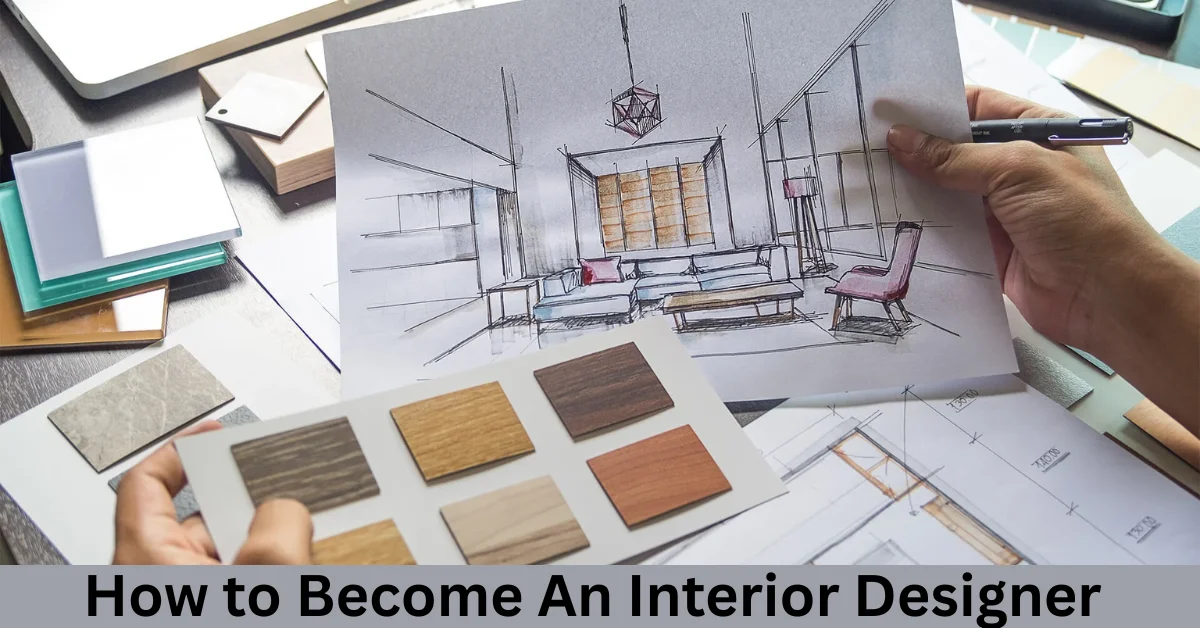
Are you captivated by the idea of transforming spaces into beautiful, functional environments? Do you have an eye for aesthetics and a passion for creativity? If so, becoming an interior designer might just be your calling. This dynamic profession allows you to blend art with practicality while making a real impact on people’s lives through their living and working spaces. Whether you’re dreaming of redesigning cozy homes or stylish offices, understanding what it takes to step into this exciting field is essential. Let’s explore the journey of becoming an interior designer together!
What is an Interior Designer?
An interior designer is a professional who specializes in enhancing the interiors of spaces. Their work revolves around creating environments that are not only visually appealing but also functional and comfortable.
These designers consider various elements, including color schemes, furniture layouts, lighting, and materials. They must have a keen understanding of how these components interact to create harmony within a space.
Interior designers often collaborate with clients to understand their needs and preferences. This personalized approach ensures that each design reflects the client’s personality while meeting practical requirements.
Beyond aesthetics, they focus on safety regulations and accessibility standards. This comprehensive perspective allows them to craft spaces that are both beautiful and livable.
In essence, an interior designer transforms ideas into reality by melding creativity with technical knowledge. Their goal is to elevate everyday experiences through thoughtful design choices.
Skills and Qualities Required to Become an Interior Designer
To thrive as an interior designer, a blend of creativity and technical skills is essential. An eye for detail helps in creating cohesive spaces that resonate with clients’ needs.
Strong communication skills are vital. You must understand client visions and articulate design concepts clearly to contractors and suppliers.
Problem-solving abilities also play a significant role. Challenges often arise during projects, requiring quick thinking to find effective solutions without compromising the design vision.
Moreover, proficiency in design software like AutoCAD or SketchUp can set you apart from others in the field. Familiarity with color theory, spatial arrangements, and materials enhances your designs further.
A passion for staying updated on industry trends keeps your work fresh and relevant. Combining these qualities will help you carve out a successful path as an interior designer while making meaningful spaces for people to enjoy.
Education and Training Options for Aspiring Interior Designers
Aspiring interior designers have several education and training paths to consider. Many choose to pursue a formal degree in interior design, which typically covers essential topics like color theory, spatial planning, and materials knowledge.
Community colleges often offer associate degrees that provide foundational skills. For those wanting a more comprehensive education, bachelor’s programs delve deeper into the technical aspects of design.
Online courses are also gaining popularity. These flexible options allow students to learn at their own pace while balancing other commitments.
Internships play a crucial role too. Gaining hands-on experience with established designers can enhance practical skills and build vital industry connections.
Certification is another aspect worth exploring. Professional organizations often require specific credentials, which can boost your credibility in this competitive field.
Building a Portfolio and Gaining Experience
Building a portfolio is a crucial step for any aspiring interior designer. It showcases your unique style and design philosophy. Start by documenting projects, even if they are just personal or volunteer efforts.
Consider working on small-scale designs for friends or family. This not only builds your experience but also allows you to experiment with different styles and techniques. Each project adds depth to your portfolio.
Internships can provide invaluable hands-on experience in the field. Seek opportunities with established designers or firms where you can learn industry standards and best practices.
Don’t forget about digital platforms! Create an online presence showcasing your work on social media or personal websites. This expands visibility and attracts potential clients.
Always seek feedback from mentors and peers as it helps refine your skills further. Engaging in workshops or design competitions can also enhance both credibility and creativity within your portfolio.
Finding Employment Opportunities in the Interior Design Industry
Finding employment in the interior design industry can be an exciting journey. Start by networking with professionals already in the field. Attend industry events, workshops, and trade shows to meet potential employers or mentors.
Leverage online platforms like LinkedIn and specialized job boards tailored for designers. These resources often feature openings that may not appear elsewhere.
Consider internships as a gateway into the industry. They offer hands-on experience while allowing you to develop connections that could lead to full-time positions down the line.
Don’t overlook social media as a tool for visibility. Showcase your work on Instagram or Pinterest; these platforms are visual-centric and perfect for catching attention.
Stay updated on trends in design through continuous learning. Join associations such as ASID (American Society of Interior Designers) for access to exclusive job postings and professional development opportunities.
Tips for Success as an Interior Designer
Stay updated with design trends. The world of interior design evolves rapidly. Follow blogs, magazines, and social media for inspiration.
Network consistently. Building relationships within the industry can open doors to new opportunities. Attend trade shows and join professional organizations.
Develop strong communication skills. Listen to your clients’ needs and articulate your vision clearly. This helps in creating spaces that truly reflect their personality.
Be adaptable. Every project presents unique challenges, from budget constraints to unexpected client requests. Embrace flexibility as a key component of your approach.
Invest in technology tools like 3D modeling software or project management apps. These can streamline your workflow and enhance presentations for clients.
Nurture creativity through diverse experiences outside of work—traveling, visiting art galleries, or exploring nature can spark new ideas for your designs.
Conclusion
Embarking on a career as an interior designer can be incredibly rewarding. It allows you to blend creativity with practicality while transforming spaces into something special. Whether you’re drawn to residential projects or commercial designs, the journey requires dedication and passion.
As you explore this field, remember that continuous learning is essential. Stay updated on design trends and technologies, allowing your skills to evolve with the industry. Networking with other professionals can offer insights and open doors to exciting opportunities.
With determination and the right approach, becoming an interior designer offers a chance to leave your mark in the world of aesthetics and functionality. Embrace each step of the process; your unique vision could change how people experience their environments forever.

Ethan Ward is a UK-based legal writer with a passion for simplifying complex law topics. He covers property, employment, and family law to help readers make informed decisions with confidence.