What Defines Top Permanent Makeup Tools for Artists?
Permanent makeup has fundamentally reshaped the beauty industry, offering clients everything from perfectly defined brows to flawless lip color that lasts for years. For artists, this growing demand represents both opportunity and responsibility—every stroke of pigment becomes a testament to their…

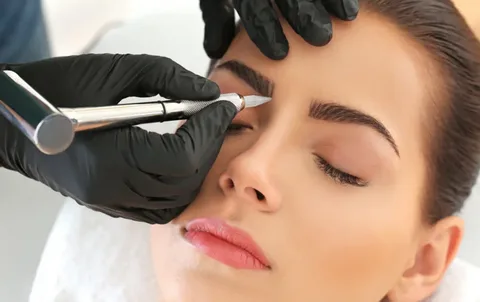
Permanent makeup has fundamentally reshaped the beauty industry, offering clients everything from perfectly defined brows to flawless lip color that lasts for years. For artists, this growing demand represents both opportunity and responsibility—every stroke of pigment becomes a testament to their skill and the tools they wield. Yet navigating the overwhelming marketplace of equipment presents a genuine challenge. How does a professional distinguish between tools that merely function and those that elevate their craft to an art form? The answer lies in understanding what separates top-tier permanent makeup equipment from everything else. Safety certifications, precision engineering, pigment compatibility, and ergonomic design all play critical roles in determining whether a tool belongs in a professional’s kit. This article examines the essential criteria that define excellence in permanent makeup tools, exploring key categories including tattoo machines engineered for cosmetic application, specialized products designed for optimal healing and retention, and microblading accessories that deliver natural-looking results. Whether you’re building your first professional setup or upgrading existing equipment, these insights will guide your investment toward tools that deliver consistent, reliable artistry.
The Foundation of Excellence: Why Tools Matter in Permanent Makeup
In permanent makeup, the margin between exceptional results and costly mistakes often comes down to the tools in an artist’s hands. Unlike traditional cosmetics that wash away at day’s end, permanent makeup pigments are implanted into the skin’s dermal layer—a process that demands absolute precision and unwavering consistency. When an artist works with inferior equipment, the consequences extend far beyond a single disappointing session. Uneven pigment distribution, scarring, allergic reactions, and premature fading all trace back to tools that fail to meet professional standards. The relationship between tool quality and client outcomes is direct and measurable. A machine that vibrates excessively creates trauma beyond the target depth. A blade that dulls mid-procedure forces compensatory pressure that damages tissue. Pigments formulated without rigorous testing migrate unpredictably beneath the skin. For artists building a reputation in permanent makeup, every tool represents a promise to clients—a promise of safety, beauty, and results that endure. Investing in superior equipment isn’t merely a professional preference; it’s an ethical obligation that protects both the artist’s livelihood and the client’s well-being. The tools you choose ultimately define the ceiling of what your talent can achieve.
Deconstructing Top Permanent Makeup Tools: Key Components and Innovations
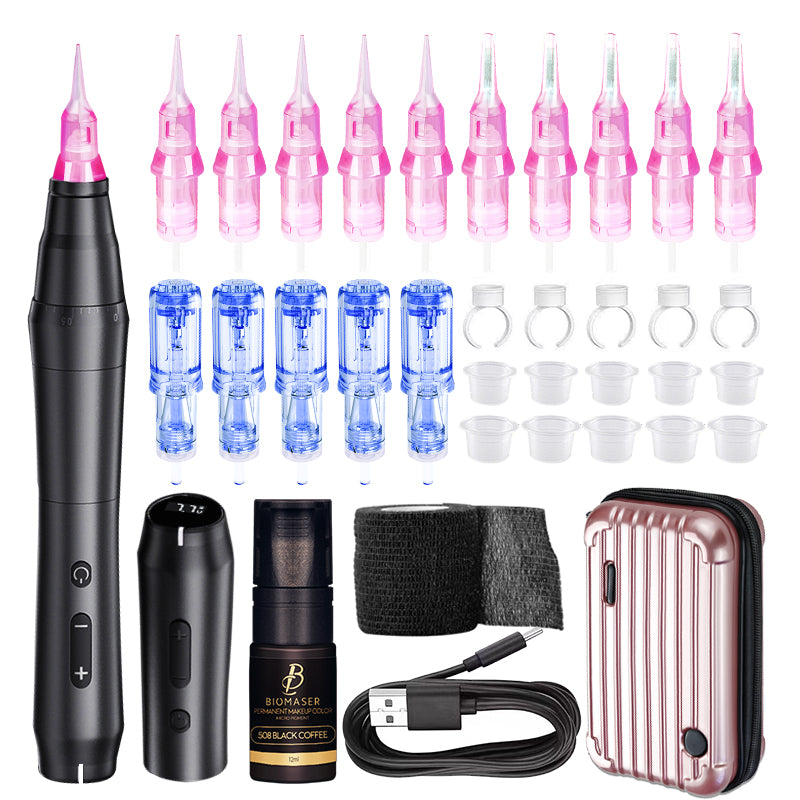
The permanent makeup industry has evolved dramatically, and today’s top tools reflect decades of engineering refinement tailored specifically for cosmetic tattooing. Unlike conventional body tattoo equipment repurposed for facial work, modern permanent makeup tools are designed from the ground up to address the unique demands of cosmetic application—thinner skin, smaller working areas, and the need for subtle, natural-looking results. Understanding the three primary tool categories helps artists build a comprehensive kit that addresses every aspect of their practice. Tattoo machines provide the mechanical foundation for pigment implantation, offering varying degrees of control depending on the technology employed. Aftercare and healing products address the biological side of the equation, ensuring that the skin heals optimally and retains pigment with maximum vibrancy. Microblading accessories round out the toolkit for artists who specialize in hair-stroke techniques that mimic natural brow hairs. Each category has undergone significant innovation in recent years, driven by artist feedback and advances in materials science. Together, these three pillars form the backbone of a professional permanent makeup practice capable of delivering results that satisfy increasingly discerning clients.
Tattoo Machines: Precision Engineering for Flawless Application
Modern rotary machines dominate the permanent makeup landscape, offering whisper-quiet operation and consistent needle depth that coil machines struggle to match in cosmetic settings. The best devices feature adjustable stroke lengths typically ranging from 1.8mm to 3.5mm, allowing artists to switch between delicate eyeliner work and fuller lip procedures without changing equipment. Speed control enables fine-tuning for different skin types, while lightweight, pen-style ergonomic designs reduce hand fatigue during multi-hour sessions. Artists should prioritize machines with brushless motors, which deliver stable power output and extended operational life.
Biomaser Products: Enhancing Safety and Pigment Retention
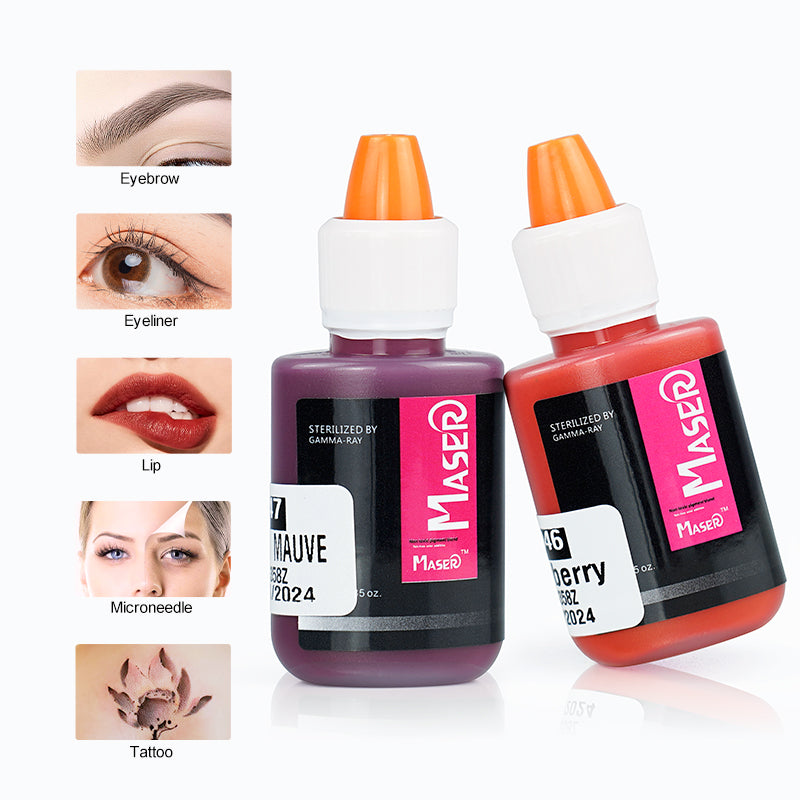
Biomaser has established itself as a trusted name in the permanent makeup space, offering specialized formulations—including pre-procedure numbing agents, healing balms, and pigment-locking serums—that directly influence how well color settles into the skin. Advanced formulations now incorporate ingredients that reduce inflammation while creating an optimal environment for pigment retention. The result is shorter healing timelines and significantly improved color payoff after the skin fully recovers. For artists, integrating quality aftercare products into their workflow means fewer touch-up appointments and more satisfied clients.
Microblading Accessories: Mastering Detail with Durability
Microblading demands accessories engineered for absolute precision. Premium blades feature ultra-fine needle configurations—from U-shapes for curved strokes to slanted arrangements for crisp, defined lines—all manufactured from medical-grade stainless steel that maintains sharpness throughout a full procedure. Ergonomic handles with balanced weight distribution give artists tactile feedback essential for controlling depth and pressure. Pigment rings, disposable measuring tools, and practice skins complete the accessory ecosystem. The defining characteristics of top microblading accessories remain consistent: guaranteed sterility, material integrity that prevents mid-procedure failure, and designs that translate hand movements into natural-looking hair strokes with minimal tissue trauma.
Evaluating Quality: Criteria for Selecting Reliable Permanent Makeup Equipment
Selecting permanent makeup tools requires more than browsing catalogs or following influencer recommendations. Artists need a structured evaluation framework that cuts through marketing noise and identifies equipment worthy of professional use. The first criterion is material composition—surgical-grade stainless steel, aircraft-aluminum housings, and medical-grade silicone components signal manufacturers who prioritize durability and biocompatibility over cost savings. Tools constructed from inferior alloys corrode faster, harbor bacteria in micro-cracks, and fail under the sustained demands of daily professional use.
Brand reputation provides another essential data point, though it requires looking beyond surface-level popularity. Established manufacturers typically hold ISO certifications, maintain transparent supply chains, and publish independent testing results for their products. Artists should investigate how long a brand has operated in the permanent makeup space specifically, since companies migrating from conventional tattoo equipment don’t always understand the nuanced requirements of cosmetic application. User reviews from verified professionals carry significantly more weight than anonymous testimonials—seek feedback from artists working in similar specialties and client volumes. Industry forums, professional associations, and continuing education events offer unfiltered perspectives on how tools perform over months and years of real-world use. Finally, warranty terms and after-sales support reveal a manufacturer’s confidence in their own products. Companies offering comprehensive warranties and responsive technical support demonstrate commitment to long-term professional relationships rather than one-time transactions.
Performance Metrics: Ensuring Consistency and Longevity
Before committing to any permanent makeup tool, artists should evaluate measurable performance indicators that predict reliability over time. Noise levels matter more than many realize—machines operating above 60 decibels create client anxiety and mask the subtle auditory feedback experienced artists use to gauge needle penetration. Vibration testing reveals motor quality; excessive vibration transfers to the needle tip, causing inconsistent depth and unnecessary tissue trauma. Run any machine continuously for thirty minutes and assess whether power output remains stable or degrades as components heat up. Wear resistance determines long-term value, so examine how needle cartridge connections hold up after hundreds of insertions. Check that speed settings maintain accuracy across the full range rather than only at mid-points. For microblading tools, test blade sharpness on practice skin after completing a full simulated procedure—premium blades maintain their edge throughout, while inferior options dull noticeably within minutes, forcing artists to apply dangerous compensatory pressure.
Safety and Hygiene Standards: Non-Negotiables for Professional Use
Safety standards in permanent makeup aren’t aspirational guidelines—they’re absolute requirements that protect careers and lives. Every tool that contacts client skin must meet sterilization protocols appropriate to its classification. Reusable components like machine grips and handpieces should be autoclavable at standard 134°C cycles without warping, discoloring, or compromising structural integrity. Single-use items including needle cartridges, pigment cups, and barrier films must arrive in individually sealed, sterile packaging with clearly printed lot numbers and expiration dates. Material allergen profiles demand careful attention; nickel-containing components trigger reactions in approximately 10-15% of the population, making nickel-free construction essential for any skin-contact surface. Pigments should carry certifications confirming they’re free from heavy metals, carcinogenic compounds, and unlisted additives. Artists should verify that their equipment complies with regional regulatory bodies—whether that’s EU CE marking, FDA registration, or equivalent local standards. These certifications aren’t bureaucratic formalities; they represent third-party verification that products meet minimum safety thresholds for professional cosmetic procedures.
Practical Solutions: A Step-by-Step Guide to Acquiring and Maintaining Top Tools
Knowledge about what makes permanent makeup tools excellent only matters when artists translate that understanding into decisive action. The gap between knowing what to look for and actually building a professional-grade toolkit often paralyzes practitioners—especially those early in their careers facing significant upfront investment decisions. This section bridges that gap with a concrete process that moves from initial research through purchase and into the ongoing maintenance routines that protect your investment. Every permanent makeup artist operates within budget constraints, making strategic acquisition essential. Rather than purchasing everything simultaneously, prioritize tools based on your current service offerings and expand systematically as your practice grows. A microblading specialist doesn’t need a top-tier rotary machine on day one, just as a machine artist can delay investing in premium manual blades until they expand their technique repertoire. What matters is that every tool you do acquire meets the quality thresholds outlined in previous sections—no compromises on safety, no shortcuts on precision. The following steps provide a repeatable framework for evaluating, purchasing, and caring for equipment that serves your artistry for years rather than months.
Step 1: Research and Comparison of Permanent Makeup Tools
Begin by identifying three to five manufacturers with established reputations specifically in permanent makeup rather than conventional tattooing. Cross-reference their certifications against your regional requirements, then request specification sheets for direct comparison. When evaluating tattoo machines, compare stroke length ranges, motor types, weight, and cartridge compatibility side by side. For microblading accessories, examine needle configuration options, steel grade, and packaging integrity. Consult professional forums where working artists discuss real-world performance—pay attention to comments about tools at the six-month and one-year marks, not just initial impressions. Create a comparison checklist covering these non-negotiable features: material certifications, warranty duration, replacement part availability, motor type for machines, sterilization compatibility, and documented pigment compatibility for aftercare products. Contact suppliers directly with technical questions; responsive, knowledgeable support teams indicate companies invested in professional relationships. Request sample units or attend trade shows where you can physically handle equipment before committing to full purchases.
Step 2: Implementation and Care for Optimal Tool Life
Once you’ve acquired quality tools, establish maintenance routines that preserve their performance from the first procedure onward. For rotary machines, wipe down housings with manufacturer-approved disinfectant after every client, inspect cartridge connection points weekly for wear, and recalibrate speed settings monthly using a tachometer to verify accuracy. Store machines in padded cases away from humidity and temperature extremes that degrade internal components. Aftercare products require attention to storage conditions—most formulations perform best at controlled room temperatures and lose efficacy when exposed to direct sunlight or extreme heat. Check expiration dates monthly and rotate stock accordingly. Microblading handles should be autoclaved according to manufacturer specifications, with o-rings and grip components inspected for degradation after each sterilization cycle. When tools begin showing performance inconsistencies—speed fluctuations, unusual vibration patterns, or blades that dull faster than expected—address issues immediately rather than compensating with technique adjustments that compromise client outcomes. Maintain a replacement schedule for wear components, ensuring you never face mid-procedure failures that damage both results and professional reputation.
Elevate Your Artistry Through Informed Tool Selection
The tools that define excellence in permanent makeup share three non-negotiable qualities: precision that translates artistic vision into flawless skin-level results, safety standards that protect both practitioner and client without compromise, and durability that delivers consistent performance across thousands of procedures. Whether selecting a rotary machine with brushless motor technology, integrating Biomaser products that optimize healing and pigment retention, or investing in microblading accessories crafted from medical-grade steel, the underlying principle remains constant—top tools amplify talent rather than limiting it. Artists who apply structured evaluation criteria, prioritize certified manufacturers over trending brands, and commit to rigorous maintenance routines position themselves for sustained professional success in an increasingly competitive market. The permanent makeup industry rewards practitioners who treat equipment selection as a deliberate, informed process rather than an afterthought. Take these insights into your next purchasing decision, audit your existing toolkit against the standards outlined here, and refuse to settle for equipment that falls short of what your clients deserve. Your artistry is only as exceptional as the tools you trust to deliver it.