Enhance Events with Easy-to-Use Laser Lighting Systems
Lighting has the power to transform any space from ordinary to extraordinary. A single shift in color, movement, or intensity can turn a plain venue into an immersive experience that captivates every guest in the room. In today’s event landscape, laser…

Lighting has the power to transform any space from ordinary to extraordinary. A single shift in color, movement, or intensity can turn a plain venue into an immersive experience that captivates every guest in the room. In today’s event landscape, laser lights have emerged as one of the most effective tools for creating these unforgettable atmospheres. Whether it’s a corporate gala, a wedding reception, or a high-energy nightclub, laser lighting delivers visual impact that traditional fixtures simply cannot match.
Yet many event planners hesitate to incorporate lasers into their setups, often citing concerns about complexity, technical expertise, and time-consuming installation. The good news is that contemporary laser lighting systems have been designed with accessibility in mind. Today’s options feature intuitive controls, streamlined setup processes, and versatile programming that make professional-grade effects achievable without a dedicated lighting technician. This article explores how easy-to-use laser lighting systems can elevate your events, covering everything from selection criteria and key benefits to practical setup guidance and creative applications that will leave lasting impressions on your audience.
Why Laser Lights Are Essential for Modern Event Lighting
The atmosphere of any event hinges on lighting. It guides emotions, directs attention, and creates the psychological backdrop against which every moment unfolds. When guests walk into a venue bathed in carefully orchestrated light, their engagement begins before the first speaker takes the stage or the first song plays. This is why event lighting has evolved from a functional necessity into a strategic design element that can make or break an experience.
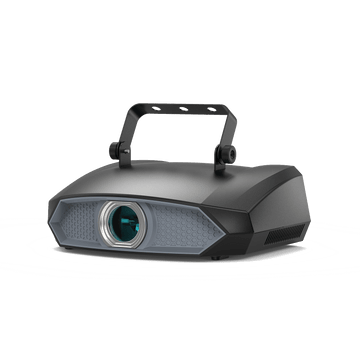
For decades, event planners relied on conventional fixtures—PAR cans, spotlights, and LED panels—to illuminate their spaces. While these tools remain useful, they lack the precision and dramatic range that today’s audiences expect. Laser lights represent the next evolution in this progression, offering capabilities that traditional systems cannot replicate. A single laser unit can project razor-sharp beams across an entire venue, paint walls with vivid patterns, or create aerial effects that seem to sculpt the air itself. The precision of laser technology means every beam lands exactly where intended, with colors that remain vibrant regardless of distance or ambient conditions.
Beyond visual impact, laser lights deliver unmatched versatility. They adapt seamlessly from subtle accent lighting during a dinner service to explosive, high-energy displays on a dance floor—all from the same equipment. For event planners seeking solutions that maximize impact while minimizing gear, this adaptability is invaluable.
Types of Laser Lights for Different Events
Understanding the landscape of available laser lights helps match equipment to occasion. Moving head lasers offer dynamic, sweeping beams ideal for concerts and high-energy parties where constant motion keeps crowds engaged. Static beam lasers create striking aerial curtains and geometric patterns perfect for corporate events and stage backdrops. Ambient effect lasers scatter thousands of points across surfaces, producing starfield or aurora-like washes suited for weddings and lounge settings. For more intimate venues, KTV room lights combine compact form factors with synchronized color programs that respond to music, making them a go-to choice for karaoke lounges and private entertainment spaces. Each type serves a distinct purpose, ensuring every event format has an appropriate laser solution.
Key Benefits of High-Quality Laser Lighting Systems
Investing in high-quality laser lighting systems pays dividends that extend far beyond a single event. The most immediate benefit is atmospheric transformation—lasers create depth and dimension in ways that flat, diffused lighting cannot. A well-placed laser system adds layers to a room, making even modest venues feel expansive and professionally produced. This atmospheric enhancement directly translates to guest satisfaction, as attendees consistently rate events with dynamic lighting as more memorable and engaging than those with standard setups.
From a practical standpoint, modern laser systems consume significantly less power than equivalent traditional lighting rigs. A single laser unit producing room-filling effects draws a fraction of the electricity required by banks of conventional fixtures achieving comparable coverage. This energy efficiency compounds over time for venues and production companies running events weekly or even nightly. The durability factor strengthens this economic case further—laser diodes maintain consistent output for tens of thousands of hours, meaning the equipment performs reliably event after event without the lamp replacements and color fading that plague older technologies.
For event planners managing tight budgets and tighter timelines, the return on investment becomes clear quickly. One versatile laser system replaces multiple conventional fixtures, reducing transport costs, setup labor, and storage requirements. The reliability of quality-built units also eliminates last-minute equipment failures that can derail productions, giving planners confidence that their lighting will perform flawlessly when the moment matters most.
Atmospheric Enhancement with Moving Head Lasers
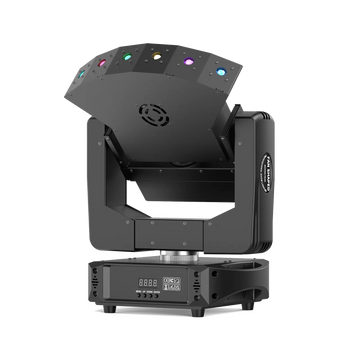
Moving head lasers elevate energy levels instantly by sweeping beams through fog-filled air, creating three-dimensional corridors of light that respond to music tempo and crowd intensity. At a nightclub event, synchronized moving heads can transform a static dance floor into a pulsating environment where light itself becomes part of the performance. At outdoor festivals, their reach cuts through open air to define spaces and draw attention to stages from hundreds of meters away. What makes these units particularly appealing for event professionals is their integration with DMX and sound-active modes—operators can program complex sequences in advance or let the lasers react automatically to audio input, reducing the need for real-time manual control during events.
How to Choose the Right Laser Lights for Your Event
Selecting the ideal laser lighting system starts with defining three core variables: event type, venue dimensions, and budget constraints. A corporate awards ceremony in a ballroom demands different capabilities than a weekend DJ set in a compact club or a private KTV room lights setup for an intimate gathering. Begin by identifying the mood you want to create—subtle elegance, high-energy excitement, or something in between—and let that guide every subsequent decision.
Venue size directly dictates the power and throw distance your lasers need. Larger spaces require units with higher output to maintain beam visibility across distance, while smaller rooms benefit from lower-powered systems that fill the space without overwhelming guests. Color options matter equally; venues with neutral décor benefit from full-spectrum RGB lasers that offer unlimited palette flexibility, whereas themed events might only need specific hues that complement existing design elements. Safety features deserve careful attention regardless of setting—look for units with built-in scan-fail protection, which automatically shuts down the laser if a mirror stops moving, preventing concentrated beams from reaching audience eye level.
Budget considerations should account for long-term value rather than upfront cost alone. A slightly higher investment in a versatile system that covers multiple event formats eliminates the need to rent supplementary equipment later. Brands like UKING offer accessible laser lighting options with sound-active modes and preset programs that allow staff to operate them without specialized training, ensuring consistent performance night after night in KTV rooms and similar fixed installations.
Evaluating Quality and Compatibility
Before purchasing, verify that units carry relevant safety certifications such as FDA variance compliance or CE marking, which confirm the product meets established laser safety standards. User reviews from other event professionals provide real-world insight into reliability and ease of integration with existing DMX controllers or wireless systems. Check whether the laser supports standard DMX-512 protocol and offers master-slave linking, as these features allow seamless expansion when your production needs grow. Systems offering both automatic and manual modes give operators flexibility during events while maintaining the quick-setup simplicity that busy planners require.
Easy Setup and Operation of Laser Lighting Systems
One of the biggest misconceptions about laser lighting is that it requires extensive technical knowledge to deploy effectively. Modern systems have eliminated this barrier through thoughtful engineering that prioritizes rapid deployment. The typical setup process from unboxing to show-ready status can take as little as fifteen minutes, making lasers practical even for events with minimal load-in time.
Start by positioning your laser units at an elevated mounting point—truss, lighting stands, or ceiling brackets—angled downward toward the performance or audience area. This overhead placement ensures beams travel above head height, addressing safety concerns while maximizing visual coverage. Next, connect power and signal cables. Most contemporary units accept standard DMX-512 input via XLR connectors, but many also include wireless DMX receivers that eliminate cable runs entirely. For planners who prefer minimal equipment, plug-and-play models with built-in programs activate automatically upon powering on, requiring zero external controllers.
Once connected, cycle through the unit’s modes to confirm proper operation. Sound-active mode lets the laser respond directly to music through an onboard microphone, creating synchronized effects without programming. Auto mode runs through preset patterns at adjustable speeds. For more precise control, connect a DMX console or use the manufacturer’s smartphone app—increasingly common in newer models—to adjust colors, patterns, speed, and position in real time. Test all effects with house lights dimmed and fog or haze active, since laser beams need particulate matter in the air to become visible as mid-air effects rather than just endpoint projections.
Tips for Efficient Event Lighting Management
Run a complete system check at least two hours before guests arrive, verifying that all units power on correctly and respond to control signals. Confirm that scan-fail safety features are functioning by briefly interrupting a mirror’s movement during testing. Keep spare DMX cables and a backup controller accessible backstage. When using fog machines alongside lasers, position hazers upstage or overhead to maintain consistent atmospheric density without creating ground-level clouds that obscure sightlines. Label all cables and document your DMX addresses so that troubleshooting during the event takes seconds rather than minutes.
Practical Applications and Creative Ideas for Laser Lights
Weddings offer some of the most elegant applications for laser lighting. During a first dance, a slow-rotating pattern of warm white and soft pink beams creates an intimate canopy overhead, giving photographers stunning visual depth while making the couple feel wrapped in light. As the reception transitions to open dancing, switching to full-color sound-active mode transforms the same equipment into a party atmosphere without adding a single fixture.
Concert and festival environments push laser lights to their full potential. Combining multiple moving head lasers with timed fog bursts produces volumetric tunnels of light that sweep across audiences in sync with bass drops, creating moments that attendees capture and share across social media instantly. For corporate events, a more restrained approach works beautifully—projecting the company logo or geometric patterns in brand colors onto walls and ceilings adds polish without distraction during presentations, then ramping up intensity for after-party segments.
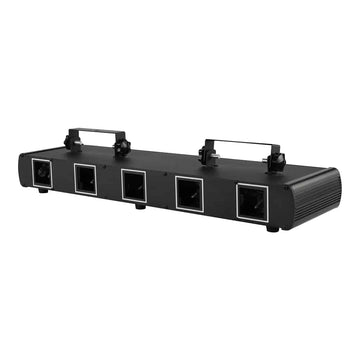
Club nights benefit from layering different laser types simultaneously. Static beam units create a persistent framework of aerial fans while moving heads add unpredictable motion that keeps the visual landscape fresh throughout a multi-hour set. In KTV room lights installations, preset scenes tied to music genres let guests toggle between moods—cool blue washes for ballads, rapid multi-color chases for upbeat tracks—giving each group a personalized experience without requiring technical knowledge. These practical applications demonstrate that laser lights adapt to virtually any scenario, delivering professional results that match the specific energy each event demands.
Transform Your Events with Accessible Laser Lighting Technology
Laser lighting systems have fundamentally changed what’s possible in event design, offering precision, versatility, and visual drama that traditional fixtures cannot achieve. From moving head lasers that energize dance floors to subtle ambient effects that elevate wedding receptions, these tools adapt to every occasion and venue size. The key benefits—atmospheric transformation, energy efficiency, long-lasting durability, and strong return on investment—make them practical choices for event planners who need reliable performance under pressure.
Choosing the right system comes down to matching your event’s mood, venue dimensions, and budget while prioritizing safety certifications and compatibility with your existing control infrastructure. Setup no longer demands specialized technicians; today’s plug-and-play designs, wireless controls, and sound-active modes mean professional results are achievable in minutes rather than hours. Whether you’re outfitting a KTV room for nightly use or deploying a full laser rig for a one-time corporate spectacular, accessible options exist for every scale and skill level.
The path forward is clear: explore the current generation of easy-to-use laser lighting systems and integrate them into your next production. The difference between an event guests attend and one they remember often comes down to light—and lasers deliver that difference with remarkable simplicity.