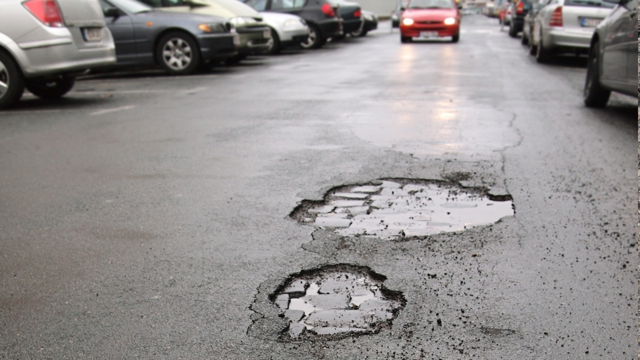
The parking lot is often the first point of contact a visitor has with your commercial property. It sets the stage for their entire experience. A surface riddled with cracks, potholes, and faded lines can create a negative impression before anyone even steps through your door. It also presents significant safety and liability risks.
Proper parking lot maintenance is not just about aesthetics; it is a critical investment in your property’s value, safety, and reputation. This guide will walk you through the essentials of parking lot repair, from identifying common problems to understanding effective long-term solutions. By taking a proactive approach, you can transform your lot from a liability into a welcoming asset.
Identifying Common Parking Lot Problems
Regular inspections are the first step toward effective maintenance. Walking your lot periodically allows you to catch minor issues before they escalate into costly repairs. Keep an eye out for these frequent signs of pavement distress.
Cracks and Potholes
Cracks are one of the earliest indicators of pavement trouble. Small fissures can appear due to sun exposure, heavy traffic, or natural aging. If left unsealed, water seeps into these openings. When the water freezes and thaws, it expands and contracts, widening the cracks and breaking apart the underlying structure. This cycle eventually leads to potholes, which are not only unsightly but also a hazard to vehicles and pedestrians.
Faded Striping
Clear, visible parking lines are essential for safety and efficiency. Faded striping can confuse, leading to chaotic parking, fender benders, and accessibility issues. Fire lanes, handicap spaces, and directional arrows must be clearly marked to ensure compliance with local regulations and to facilitate smooth traffic flow.
Drainage Issues
Does water pool in your parking lot after it rains? Standing water is a major red flag. Poor drainage accelerates the deterioration of asphalt by weakening the sub-base. In colder climates, this pooled water can freeze, creating dangerous icy patches. Proper grading and functional catch basins are necessary to channel water away from the pavement surface.
Essential Repair and Maintenance Techniques
Once you have identified problem areas, the next step is to address them with the right repair methods. The technique you choose will depend on the type and severity of the damage.
Crack Sealing
For minor cracks, sealing is a simple and effective preventative measure. A hot-pour rubberized sealant is applied directly into the fissures. This flexible material prevents water from penetrating the pavement and accommodates the natural expansion and contraction of the asphalt. Sealing cracks early can extend the life of your parking lot by several years.
Pothole Patching
Potholes require more intensive repair. The damaged area is typically cut out, cleared of debris, and filled with a hot or cold asphalt patch. While cold patches offer a quick fix, hot-mix asphalt provides a more durable and permanent solution by bonding more effectively with the surrounding pavement.
Sealcoating
Sealcoating is a protective measure that should be part of any long-term maintenance plan. This process involves applying a thin layer of liquid sealant over the entire asphalt surface. It shields the pavement from UV rays, water, and vehicle fluids, which can all cause it to become brittle and crack. A fresh sealcoat also restores the deep, black finish of new asphalt, dramatically improving curb appeal.
When to Consider Resurfacing or Replacement
Sometimes, repairs are not enough. If your parking lot has extensive damage, such as widespread “alligator” cracking or a failing foundation, a complete overhaul may be necessary.
An asphalt overlay, or resurfacing, involves adding a new layer of asphalt over the existing surface. This is a cost-effective way to create a brand-new surface without the expense of a full replacement. However, it is only viable if the underlying foundation is still stable. For a major project like extensive asphalt paving in Utah, professionals can assess whether an overlay is sufficient or if a more comprehensive approach is needed.
Full-depth replacement is the most intensive option. It involves tearing out the old asphalt and sub-base and rebuilding the entire parking lot from the ground up. While this is a significant investment, it is often the only way to correct severe structural issues and ensure a long-lasting, durable surface.
A well-maintained parking lot speaks volumes about your business. It shows you care about customer safety, accessibility, and the overall impression your property makes. By staying on top of repairs and implementing a regular maintenance schedule, you can ensure your lot remains in perfect condition for years to come.

Bit Labs Author is a multi-niche digital expert who creates sharp, high-impact content across Tech, Digital Marketing, Business, Law, News, and Lifestyle. Known for blending research with creativity, they transform complex topics into clear, engaging insights that empower readers to learn, grow, and stay ahead in the digital age.