Most of us have found ourselves stuck in that ten-minute gap before a Zoom call or waiting in a long queue for a sandwich. A few years back, that was just “dead time” spent on repetitive tasks, yet there has been a massive change in how we now use those tiny pockets of the day.
The trend is being called “micro-leisure.” It is the art of squeezing high-quality relaxation or mental stimulation into very short windows. Instead of waiting for a two-week holiday or a full weekend off to decompress, people are using their smartphones to find instant “resets.” It is about reclaiming the clock, one five-minute break at a time.
Why the five-minute break matters
We used to think you needed a full hour to actually feel like you’d relaxed, but it turns out that isn’t the case at all. Recent research actually shows that these quick “micro-breaks” are much better at stopping burnout than saving all your rest for the end of a long shift. Giving your brain a total change of pace for just a few minutes can snap you out of a stress cycle and help you head back to your desk feeling much clearer.
This shift has changed the digital landscape. Developers are no longer just building apps for long-haul usage; they are designing experiences specifically for the person who only has five minutes to spare.
From puzzles to platforms
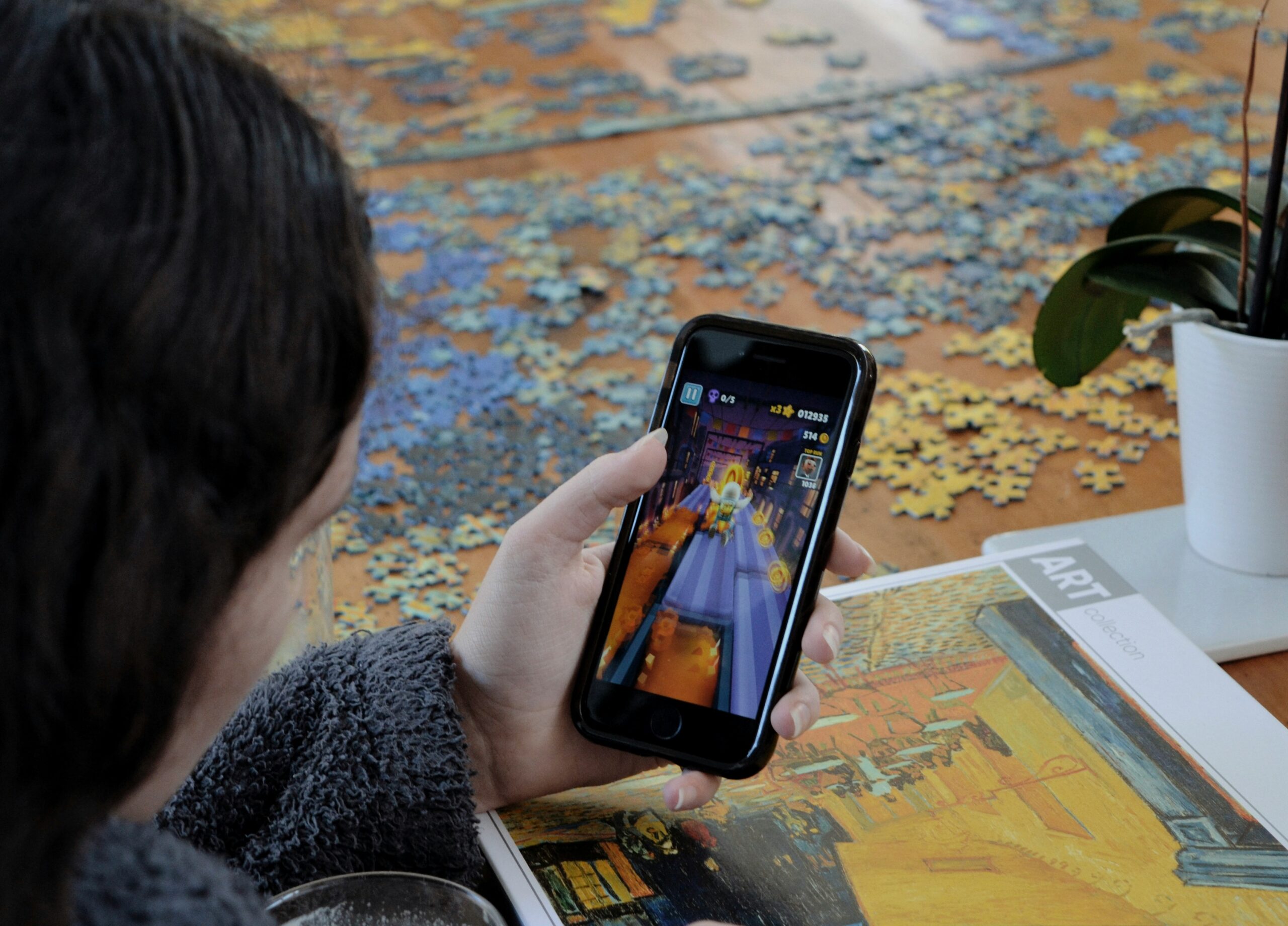
The sheer range of ways we’re spending our tiny pockets of free time is pretty incredible, and it’s largely because the line between “real-world” hobbies and mobile gaming is completely disappearing. We’ve reached a point where you no longer need a physical deck of cards, a paper Sudoku book, or a trip to a physical venue to get your fix. Whether it’s winding down with a digital cross-stitch app or seeking a quick thrill, the smartphone has become a portable version of the leisure spots we used to visit in person.
For instance, the mobile-first approach has revolutionised how we access high-intensity entertainment on the go. You don’t need to find a local arcade or get dressed up for a night at a casino to enjoy that specific type of excitement; everything from a quick strategy puzzle to a high-stakes session on an online casino site is now built to load instantly. These platforms offer a full, immersive experience in a tiny five-minute window, providing a proper change of scenery from your to-do list. Since these moments require you to stay sharp and make fast decisions, just as they would in a physical setting, they act as a total reset button for your mind before you dive back into work.
Digital wellness in 2026
If you’re going to master the art of the micro-break, you have to be a bit picky about what you’re doing. The goal is a quick win for your headspace that leaves you feeling energized, rather than just another five minutes of mindless scrolling that leaves you feeling “meh.” Wellness pros recommend being a bit more deliberate with your choices so that every small gap in your schedule really counts toward beating burnout. Instead of mindlessly scrolling through a social media feed, which often leaves people feeling more tired due to the “comparison trap,” intentional gaming or focused reading is much more effective.
The beauty of this trend is that it fits into almost any lifestyle. A parent waiting in the school run car park can get a quick mental escape. A professional in a high-pressure office can step away from their desk and use a quick digital hobby to lower their cortisol levels before a big presentation.
Making the most of your dead time
Modern life feels like one big fragmented calendar, so we might as well use those random spare minutes for a quick bit of fun instead of just scrolling. We should treat our phones like a mental health menu and keep a folder ready with everything from quick games to long reads, so we’re not wasting our break wondering what to do. Reclaiming that time isn’t about being lazy; it is actually a smart way to manage burnout and keep your human side intact in a digital world.

Bit Labs Author is a multi-niche digital expert who creates sharp, high-impact content across Tech, Digital Marketing, Business, Law, News, and Lifestyle. Known for blending research with creativity, they transform complex topics into clear, engaging insights that empower readers to learn, grow, and stay ahead in the digital age.