 Integrating HIMA spare parts into systems that process personal or sensitive operational data introduces real compliance risks. A misconfigured component, an unpatched legacy module, or an improperly vetted third-party service can expose organizations to regulatory penalties, reputational damage, and operational disruption. Regulations such as GDPR impose strict obligations on how data is collected, stored, and processed—obligations that extend well into industrial environments, not just consumer-facing applications.
For IT professionals tasked with managing these systems, the challenge lies in maintaining operational efficiency without compromising privacy standards. Striking that balance demands a clear understanding of where data flows, how components interact, and what safeguards must be in place. This article delivers actionable guidance on managing data processing responsibilities and third-party service integration when working with HIMA spare parts—helping IT teams stay compliant while keeping critical systems running smoothly.
The Critical Link Between HIMA Spare Parts and Data Compliance
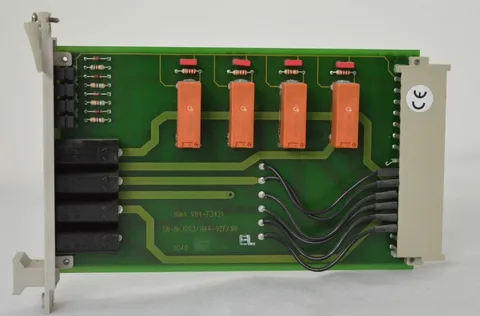
Modern industrial control systems do far more than regulate physical processes. HIMA components—including safety controllers, relay modules, and drive systems—routinely collect operational telemetry, log user interactions, and transmit diagnostic data across networked environments. When these systems operate within facilities that also handle employee records, production metrics tied to individuals, or customer-related operational data, they become subject to the same regulatory scrutiny as any enterprise IT system.
 The regulatory landscape governing this space is substantial. GDPR applies whenever personal data is processed, regardless of whether that processing occurs on a consumer website or an industrial plant floor. Sector-specific frameworks such as IEC 62443 for industrial cybersecurity and NIS2 in Europe add further layers of obligation, requiring organizations to demonstrate not just operational integrity but data governance discipline. Non-compliance carries real consequences: fines under GDPR can reach 4% of global annual turnover, and regulatory investigations can trigger operational shutdowns during audits.
For IT professionals managing HIMA spare parts inventories and system integrations, this creates a dual responsibility. They must ensure that replacement components function correctly within existing safety architectures while simultaneously verifying that those components do not introduce new data exposure vectors. A replacement HIMA drive that logs access credentials or a control module that transmits unencrypted diagnostics to an external server can quietly undermine an otherwise compliant infrastructure. Recognizing this link between hardware lifecycle management and data compliance is the essential first step toward building a defensible, regulation-ready industrial environment.
Key Data Compliance Challenges for IT Professionals
Managing HIMA spare parts within data-sensitive environments exposes IT professionals to challenges that go beyond typical hardware maintenance. The core difficulty lies in the fact that industrial components were historically designed for reliability and safety, not data governance. As these systems become increasingly networked, gaps in data classification, access control, and audit trails create compliance vulnerabilities that are difficult to detect through standard operational monitoring. Two challenges stand out as particularly consequential: the inadvertent processing of personal data through industrial interfaces and the compounding security risks introduced by obsolete components.
Personal Data Processing in Industrial Systems
HIMA drives and control system components often interact with operator interfaces that capture user credentials, shift logs, and performance records tied to individual employees. Even routine diagnostic logging can constitute personal data processing under GDPR if the data is linkable to a specific person. Without explicit data handling policies covering these touchpoints, organizations risk unauthorized retention or exposure of personal information. IT teams must audit what data each component collects, establish lawful processing bases, and enforce strict access controls to prevent compliance breaches at the hardware level.
Risks with Obsolete Control System Parts
Obsolete HIMA control system parts present a distinct compliance risk: they frequently lack firmware updates, leaving known vulnerabilities unpatched and creating potential data exposure pathways. Compatibility issues between legacy modules and modern encrypted communication protocols can force systems to fall back on insecure transmission methods. IT professionals should conduct targeted risk assessments for any end-of-life components, document identified vulnerabilities, and prioritize replacement or network isolation strategies to contain the compliance exposure these parts introduce. Sourcing verified replacement parts through reputable suppliers—such as Apter Power, which specializes in industrial and automotive components—can help ensure that substituted hardware meets current compatibility and security standards.
Best Practices for Data Processing on Websites
Websites supporting HIMA spare parts operations—whether procurement portals, diagnostic dashboards, or maintenance management platforms—often handle sensitive operational and personal data. Applying structured data processing practices to these environments is essential for maintaining compliance and reducing exposure risk.
Data minimization should be the starting point. Collect only the information strictly necessary for the transaction or function at hand. If a spare parts ordering portal doesn’t need to store operator shift data or equipment serial numbers linked to individual employees, it shouldn’t. Review every form field, cookie, and tracking mechanism to confirm each serves a defined, lawful purpose.
Encryption is non-negotiable for any website handling data related to HIMA drives or control system configurations. Enforce TLS 1.2 or higher for all data in transit, and apply AES-256 encryption for stored records. Pay particular attention to diagnostic data uploads from HIMA components—these transmissions often travel through web interfaces and can carry sensitive operational telemetry that warrants the same protection as personal data.
Access controls require deliberate structuring. Implement role-based access so that engineers, procurement staff, and administrators each see only the data their function requires. Multi-factor authentication should be mandatory for any account with access to component configuration records or maintenance logs tied to identifiable personnel.
Regular audits close the loop. Schedule quarterly reviews of data retention policies, cookie consent mechanisms, and third-party script integrations embedded in your spare parts platforms. Document findings and remediation steps to build an audit trail that demonstrates ongoing compliance diligence to regulators—a record that proves your organization treats data governance as an active discipline, not a one-time checkbox.
Integrating Third-Party Services While Ensuring Data Privacy
Third-party services—cloud storage platforms, remote diagnostics tools, analytics dashboards, and vendor support portals—are increasingly embedded in workflows surrounding HIMA spare parts management. Each integration point represents a potential data exposure vector, making structured vendor governance a compliance necessity rather than an optional best practice.
Begin with a formal vendor assessment before connecting any external service to systems involving HIMA drives or safety controllers. Evaluate each provider’s data processing practices, certifications (ISO 27001 is a strong baseline indicator), and their track record with industrial clients. Confirm whether the vendor stores data within jurisdictions that satisfy your regulatory obligations—GDPR, for instance, restricts transfers outside the European Economic Area unless adequate protections are in place.
Data Processing Agreements (DPAs) are legally required under GDPR whenever a third party processes personal data on your behalf. Ensure every external service connected to your HIMA systems has a signed DPA in place that clearly defines the scope of processing, retention limits, and breach notification timelines. Don’t treat this as a formality—review the agreement’s technical and organizational measures clauses to confirm they align with your internal security standards.
Ongoing monitoring prevents compliance drift. Implement API activity logging for all third-party integrations, and configure alerts for anomalous data transfers or access patterns. Conduct annual reviews of each vendor relationship, reassessing their compliance posture as regulations evolve. When a vendor cannot demonstrate continued compliance, have a documented offboarding procedure ready—including data deletion verification—to ensure no residual exposure remains after the relationship ends.
A Step-by-Step Guide to Ensuring Compliance with HIMA Components
Translating compliance principles into operational practice requires a structured methodology. For IT professionals managing HIMA spare parts, the following approach provides a repeatable framework that addresses both immediate vulnerabilities and long-term governance requirements.
Step 1: Inventory all HIMA spare parts and active components. Build a complete registry of every HIMA drive, safety controller, relay module, and associated interface device in your environment. Record firmware versions, network connectivity status, and end-of-life dates. This inventory becomes the foundation for every subsequent compliance decision—you cannot govern what you haven’t documented.
Step 2: Map data flows across all components. Trace how data moves through your HIMA systems—from operator input at control interfaces, through diagnostic logging, to external transmissions. Identify every point where personal or sensitive operational data is generated, stored, or transmitted. Flag any flows that cross organizational boundaries or involve third-party platforms, as these carry the highest regulatory exposure.
Step 3: Apply targeted security controls. Based on your data flow map, assign controls proportionate to each component’s risk profile. Isolate obsolete HIMA control system parts on segmented network zones, enforce encrypted communication protocols for all connected drives, and implement role-based access restrictions at every interface that touches identifiable data.
Step 4: Formalize documentation and policies. Draft data handling policies specific to your industrial environment, covering retention schedules, lawful processing bases, and incident response procedures. Ensure these policies explicitly reference HIMA component categories and the data types each is authorized to process.
Step 5: Conduct continuous compliance reviews. Schedule quarterly audits that reassess your component inventory, data flow accuracy, and control effectiveness. As HIMA systems are updated or replaced, revalidate compliance status before returning components to active service. Treat compliance as a living discipline—not a deployment checkpoint.
Building a Compliant Future with HIMA Systems
Managing data compliance when working with HIMA spare parts is not a peripheral concern—it sits at the center of responsible industrial operations. As this article has outlined, the risks are concrete: personal data processed through operator interfaces, unpatched vulnerabilities in obsolete control system parts, and third-party integrations that can quietly expand your organization’s regulatory exposure. Each of these challenges demands deliberate, structured responses rather than reactive fixes.
The solutions are equally concrete. Data minimization, encryption, role-based access controls, and regular audits form the foundation of compliant website and system operations. Formal vendor assessments and signed Data Processing Agreements close the gaps that third-party integrations create. And a disciplined, step-by-step compliance methodology—anchored in complete component inventories and accurate data flow mapping—gives IT professionals the operational framework to manage HIMA systems without sacrificing regulatory standing.
The time to act is before an audit or incident forces the issue. Begin by inventorying your HIMA components, mapping where data flows, and identifying your highest-risk exposure points. From there, apply the practices outlined here with consistency and document every step. Proactive compliance not only protects your organization from penalties—it builds the operational resilience that keeps critical systems running when it matters most.