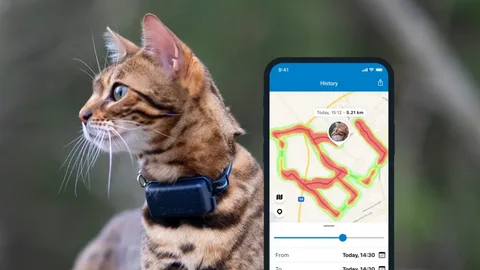
Outdoor cats face very real dangers: busy roads, territorial disputes, and the simple risk of wandering too far from home. Traditional methods like ID tags and microchips help with identification after a cat is found, but they do nothing to help you locate a missing pet in the first place. That’s where cat collars with GPS tracking change the game entirely. By combining satellite positioning with smartphone connectivity, these devices give owners real-time visibility into their cat’s whereabouts and daily activity.
This article walks you through everything you need to know — how GPS cat collars work, which features matter most, how to set one up, and the lasting benefits they bring to both you and your cat. Whether you’re a first-time buyer or looking to upgrade your current setup, you’ll find practical guidance to make a confident, informed choice.
Why GPS Tracking is Essential for Modern Cat Care
Cats are natural explorers. Their instinct to roam, hunt, and investigate every corner of their territory is deeply wired — and it’s precisely this curiosity that puts them at risk. An unlocked gate, an unfamiliar noise, or simply the allure of a new scent can send even the most home-loving cat far beyond familiar ground. According to the American Humane Association, roughly one in three pets will go missing at some point in their lifetime, and cats — given their independent nature — account for a significant portion of that figure. For owners, the emotional toll of a missing cat is profound: the sleepless nights, the frantic neighborhood searches, the handmade flyers on telephone poles.
 Traditional safeguards like ID tags and microchips serve a purpose, but they’re reactive tools. They help someone identify your cat after it’s already been found — they don’t help you find your cat in the first place. This is the gap that modern GPS tracking fills so effectively. With live GPS tracking built into a lightweight collar, you’re no longer waiting and hoping. You can pull up your smartphone, see exactly where your cat is, and act immediately. That shift — from reactive to proactive — is what makes GPS technology such a meaningful advancement in everyday pet care. It transforms the way owners engage with their cat’s safety, turning anxiety into informed awareness and giving every outdoor cat a better chance of coming home.
Understanding How GPS Cat Collars Work
At their core, GPS cat collars rely on a three-part system working in concert: satellites orbiting the Earth, cellular or Wi-Fi networks on the ground, and a smartphone app in your hands. The small tracker unit attached to your cat’s collar receives positioning signals from multiple satellites simultaneously, calculating your cat’s location with impressive accuracy. That location data is then transmitted through a cellular network to a cloud server, which pushes the information directly to your phone. The entire process happens within seconds, giving you a near-instant picture of where your cat is at any given moment. Beyond location, many modern trackers incorporate accelerometers and motion sensors that measure your cat’s physical activity — how much they’re moving, resting, or playing — turning the collar into a lightweight health monitor as well.
The Role of Live GPS Tracking in Real-Time Monitoring
Live GPS tracking is what separates today’s smart collars from older, passive tracking methods. Passive systems log location data internally and only reveal it when the device is physically retrieved and synced — essentially useless in an emergency. Live tracking, by contrast, streams continuous location updates to your app, so you can watch your cat’s movement unfold in real time on a map. If your cat slips through a fence or ventures into an unfamiliar neighborhood, you don’t have to guess or wait. You open the app, see their exact position, and head directly to them. This immediacy is critical during those first anxious minutes after noticing your cat is gone — when every second counts and a precise location can mean the difference between a quick reunion and a prolonged, stressful search.
Key Features to Evaluate in a GPS Cat Collar
Not all GPS cat collars are built equal, and choosing the wrong one can mean a device that sits unused in a drawer. Start with the physical design: the collar and tracker unit must be lightweight enough that your cat doesn’t notice it. Most cats tolerate collars well under 35–40 grams, so check the product weight carefully before purchasing. Durability and waterproofing are equally non-negotiable — cats wade through puddles, squeeze under wet decks, and groom themselves constantly. Look for an IPX5 or higher water resistance rating to ensure the tracker survives daily outdoor exposure. Battery life is another practical consideration that’s easy to overlook until it matters most. A tracker that needs charging every 24 hours creates gaps in coverage precisely when you need it most; aim for devices offering at least three to seven days of battery life under normal use, with a low-battery alert built into the app. Finally, confirm whether the device requires a subscription plan for cellular data access. Most live GPS trackers do, and understanding the cost and coverage area upfront prevents unpleasant surprises after purchase.
Anti-Lost Features for Maximum Pet Safety
Beyond basic location tracking, the most valuable GPS collars include dedicated anti-lost tools designed specifically for the unpredictable behavior of cats. Geofencing is the standout feature here — it lets you draw a customizable virtual boundary around your home or yard directly in the app. The moment your cat crosses that boundary, you receive an instant push notification, giving you a head start before your cat gets too far. Some apps allow multiple geofence zones, which is useful if your cat is allowed in a neighbor’s garden or a specific section of a nearby park. Equally useful is historical route tracking, which logs your cat’s movement patterns over days or weeks. This data isn’t just interesting — it helps you identify recurring escape routes, favorite haunts, and behavioral changes that might signal stress or illness. Paired with real-time escape alerts, these features create a layered safety net that works even when you’re asleep or away from home. Together, geofencing, instant alerts, and route history transform a GPS collar from a simple locator into a comprehensive anti-lost system tailored to how cats actually behave.
Step-by-Step Guide to Implementing GPS Tracking for Your Cat
Getting started with GPS tracking is more straightforward than most people expect. The process breaks down into six clear steps that take you from unboxing to active monitoring in under an hour.
Step 1: Research and select the right tracker. Look for a device specifically designed for cats — not dogs or general pets. Prioritize weight, battery life, and network coverage in your area. The DBDD GPS Tracker is a solid example worth considering, offering a compact form factor built around feline behavior and outdoor use.
Step 2: Unbox, charge, and install the companion app. Before attaching anything to your cat, fully charge the tracker unit. While it charges, download the manufacturer’s companion app on your smartphone. Most apps are available for both iOS and Android and take only minutes to install.
Step 3: Pair the collar with the app and configure initial settings. Follow the in-app pairing instructions — typically involving scanning a QR code on the device or entering a serial number. Once connected, enter your cat’s name, weight, and breed so the app can calibrate activity thresholds accurately.
Step 4: Set up geofences and escape alerts. Open the safe zone feature in the app and draw a boundary around your home. Adjust the radius to match your property size, then enable push notifications so your phone alerts you the moment your cat crosses the line.
Step 5: Begin monitoring daily activity and health metrics. With the collar fitted snugly — two fingers of space between collar and neck — let your cat go about their day. Check the app periodically to review movement patterns, rest periods, and activity levels building up over time.
Step 6: Choose the right subscription plan. Live GPS tracking requires cellular data, which most providers offer through monthly or annual plans. Annual plans typically offer meaningful savings. Review coverage maps before committing to confirm reliable service in your area and any places your cat regularly explores.
Benefits of Using GPS Tracking for Cat Activity Monitoring
The advantages of GPS tracking extend well beyond simply knowing where your cat is. At the most fundamental level, a GPS collar gives you the ability to act rather than worry — and that shift has a measurable effect on the daily experience of cat ownership. Owners who use live tracking report significantly lower anxiety during the hours their cats spend outdoors, because uncertainty is replaced with real information. Instead of wondering whether your cat is safe, you can glance at your phone and confirm it.
The health monitoring dimension adds another layer of lasting value. Modern GPS collars track more than location — they record activity data over time, building a picture of your cat’s typical movement, rest, and sleep patterns. This baseline becomes genuinely useful when something changes. A cat that suddenly sleeps far more than usual, or one whose daily roaming range shrinks noticeably, may be signaling early signs of illness or pain. Catching these shifts through objective data — rather than guessing based on casual observation — gives you a concrete reason to consult a vet before a minor issue becomes serious. Similarly, tracking exercise levels helps owners of indoor-outdoor cats ensure their pet is getting adequate physical stimulation, which directly supports healthy weight and joint function as cats age.
Over time, the insights accumulated through GPS tracking also deepen the owner-pet relationship. Understanding your cat’s preferred routes, favorite resting spots, and daily rhythms creates a richer, more informed connection. You’re no longer an observer hoping for the best — you’re an engaged caregiver with the tools to respond, adapt, and protect. That combination of safety, health awareness, and genuine understanding is what makes GPS tracking one of the most practical investments a modern cat owner can make.
Give Your Cat the Protection They Deserve
GPS tracking has fundamentally changed what it means to care for an outdoor cat. No longer do owners have to choose between allowing their cat the freedom they crave and accepting the anxiety that comes with it. With the right collar and a few minutes of setup, you gain real-time visibility into your cat’s location, daily activity, and behavioral patterns — tools that make you a more responsive, informed caregiver rather than a worried bystander.
The key is choosing a device that fits your cat’s lifestyle: lightweight enough to wear comfortably, durable enough to handle outdoor conditions, and equipped with essential features like geofencing, instant escape alerts, and health activity monitoring. The setup process is simpler than most people expect, and the ongoing insights it delivers — from route history to sleep pattern changes — pay dividends far beyond basic safety.
If you’re ready to take that step, the DBDD GPS Tracker offers a practical starting point built specifically around the needs of cats and their owners. More than a gadget, it’s a genuine shift in how you engage with your cat’s well-being every single day. Don’t wait for a scare to motivate the change — give your cat the protection they deserve and give yourself the peace of mind you’ve earned. Prioritizing your pet’s safety today is the simplest, most meaningful thing you can do for the companion who trusts you completely.