 This article serves as your comprehensive guide to using the best muscle stimulator for muscle growth, with a focus on both recovery support and deeper muscle engagement. You’ll learn exactly how EMS works, how to integrate it into your existing routine, and which techniques deliver the fastest improvements. Whether you’re battling stubborn plateaus or simply want to recover faster between sessions, the strategies ahead will help you unlock a new dimension of physical performance.
Understanding Electrical Muscle Stimulation (EMS) and Its Benefits
Electrical muscle stimulation works by delivering controlled electrical impulses through electrodes placed on the skin, mimicking the natural signals your central nervous system sends to contract muscles. When your brain tells a muscle to fire, it sends an electrical signal through motor neurons—EMS simply replicates this process externally, causing targeted muscles to contract without voluntary effort. The technology originated in medical rehabilitation during the 1960s, where physical therapists used it to prevent muscle atrophy in patients recovering from injuries or surgeries. Over the decades, researchers discovered its broader potential, and today EMS has evolved from a clinical recovery tool into a mainstream fitness technology embraced by professional athletes and recreational trainers alike.
The benefits of electrical muscle stimulation extend across multiple dimensions of physical performance. By recruiting a higher percentage of muscle fibers than many conventional exercises—including deep-lying fibers that are notoriously difficult to activate—EMS enhances overall muscle activation and neuromuscular efficiency. On the recovery side, low-frequency stimulation promotes increased blood circulation to targeted areas, which accelerates the delivery of oxygen and nutrients while flushing metabolic waste products like lactate. This dual capacity for both performance enhancement and recovery support makes EMS uniquely versatile, bridging the gap between training harder and recovering smarter in a single technology.
How Muscle Stimulators Enhance Muscle Engagement for Growth
Most lifters eventually reach a point where adding more weight or volume yields diminishing returns. The problem often isn’t effort—it’s incomplete muscle recruitment. During a standard bicep curl or squat, your nervous system activates muscle fibers in a selective, sequential pattern, leaving a significant portion of available fibers underutilized. EMS training changes this dynamic by delivering electrical impulses that bypass your brain’s natural recruitment limitations, forcing a broader spectrum of fibers—including fast-twitch type II fibers critical for hypertrophy—to contract simultaneously. This deeper muscle engagement creates a stimulus your body simply cannot replicate through voluntary contraction alone.
Muscle groups with complex fiber orientations benefit enormously from this approach. The glutes, for instance, are notoriously difficult to fully activate during compound movements, and many athletes struggle with weak mind-muscle connections in their posterior chain. Similarly, the deep stabilizers of the core and the often-neglected muscles surrounding the shoulder blades respond exceptionally well to EMS-enhanced training. When you pair electrical stimulation with an active movement—such as holding a wall sit while EMS targets your quadriceps—the combined voluntary and involuntary contractions create a level of muscle engagement that dramatically exceeds either method used independently. To maximize results, focus on maintaining tension in the target muscle throughout the EMS contraction rather than relaxing passively.
The Role of EMS in Breaking Plateaus
Training plateaus occur when your muscles fully adapt to a repeated stimulus, and EMS offers a powerful way to disrupt that adaptation. By introducing an unfamiliar contraction pattern at intensities that challenge fibers you rarely recruit, muscle stimulators effectively shock your neuromuscular system into renewed growth. Research published in the Journal of Strength and Conditioning Research has shown that athletes who supplemented conventional training with EMS experienced measurably greater gains in both strength and muscle cross-sectional area compared to control groups relying on traditional methods alone. The key mechanism appears to be enhanced motor unit recruitment—EMS essentially teaches your nervous system to activate more muscle during subsequent voluntary efforts, creating a compounding effect that pushes you past sticking points.
Using Muscle Stimulators for Effective Recovery Techniques
Hard training without adequate recovery is a recipe for stagnation—or worse, injury. The hours between workouts determine how effectively your muscles repair microdamage, replenish glycogen stores, and adapt to progressive overload. Muscle stimulators offer targeted recovery support by using low-frequency electrical impulses (typically between 1-10 Hz) to create gentle, rhythmic contractions that function like a deep-tissue pump. These contractions drive fresh, oxygenated blood into fatigued muscles while pushing out inflammatory byproducts and metabolic waste that contribute to delayed-onset muscle soreness. Unlike passive rest, this active recovery mechanism keeps tissues mobile and nourished without imposing additional mechanical stress on already-damaged fibers.
For post-workout recovery protocols, timing matters significantly. Applying EMS within 30 to 60 minutes after intense training—while blood flow is still elevated—amplifies the flushing effect and can noticeably reduce soreness the following day. Sessions typically last 20 to 30 minutes at comfortable, sub-maximal intensities where you feel a pulsing sensation without forceful contraction. This approach complements the muscle engagement benefits of higher-intensity EMS training by ensuring tissues remain supple and responsive between growth-focused sessions, effectively shortening the recovery window so you can train more frequently with better quality.
Best Practices for Recovery Sessions
Begin by hydrating well and lightly stretching the target area before placing electrodes on the muscle belly—never directly over joints or bony prominences. Set your device to a recovery or active-rest program, starting at the lowest intensity and gradually increasing until you feel consistent, comfortable pulsing without pain. Keep the affected limbs relaxed and slightly elevated if possible to assist venous return. After the session, perform gentle mobility work to maintain range of motion. Limit recovery EMS to once or twice daily on trained muscle groups, and always allow at least 24 hours before applying high-intensity growth-focused stimulation to the same area. Avoid using EMS on acutely inflamed or swollen tissues, and discontinue immediately if you experience sharp pain or skin irritation beneath the electrodes.
Step-by-Step Guide to Using the Best Muscle Stimulator for Muscle Growth
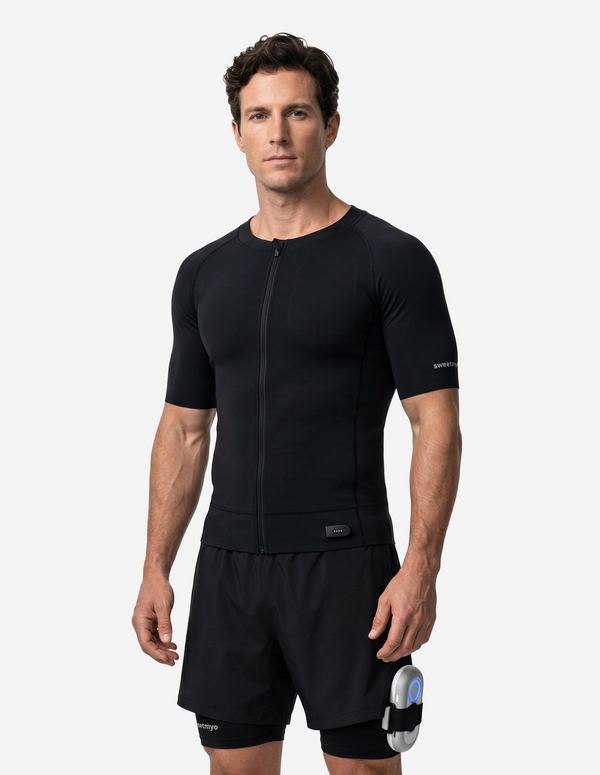
Selecting the right device starts with identifying your primary goal. For muscle growth, prioritize a stimulator offering adjustable frequency ranges between 20-80 Hz, multiple channel outputs for targeting large muscle groups simultaneously, and preset programs designed for both strength building and recovery. Brands like sweetmyo offer devices with these capabilities, making it easier for users to find a unit that suits both growth-focused and recovery-oriented training. Look for devices with ramping features that gradually increase intensity rather than delivering sudden jolts, as this mimics natural contraction patterns and reduces discomfort during longer sessions.
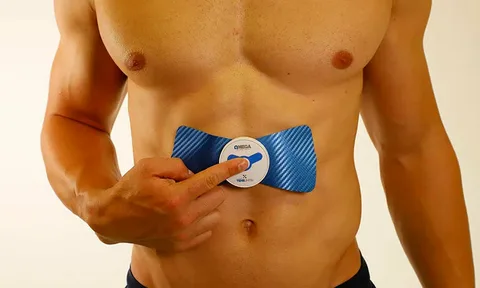
Once you have your device, proper electrode placement determines everything. Position pads along the muscle belly—the thickest, most contractile portion—with one electrode near the motor point (where the nerve enters the muscle) and the other toward the distal end. For quadriceps, place electrodes on the upper and lower portions of the rectus femoris. For chest development, position them on the upper and lower pectorals while avoiding the sternum. Clean, dry skin ensures optimal conductivity, and shaving excessive hair from the area prevents signal interference. Start each session at 30-40% of maximum tolerable intensity and increase gradually over two to three minutes until you achieve strong, visible contractions without pain.
A sustainable weekly routine integrates EMS with your existing training rather than replacing it. Use high-intensity EMS (50-75 Hz) on two to three days per week, applied either during or immediately after compound exercises for 15-20 minutes per muscle group. Reserve low-frequency recovery sessions for rest days or evenings following heavy training. Each growth-focused session should include 10-15 contraction cycles with work-to-rest ratios of roughly 5 seconds on and 10 seconds off, progressively tightening that ratio as your tolerance improves over weeks.
Sample Workout Integration Plan
Consider structuring your week as follows: Monday and Thursday, perform heavy compound lifts (squats, bench press, rows) followed immediately by 15-minute high-intensity EMS targeting the primary movers used that session. Wednesday, apply moderate-intensity EMS during bodyweight accessory work like lunges or push-ups to deepen engagement in lagging muscle groups. Tuesday, Friday, and Sunday, use low-frequency recovery programs on any muscle group trained within the previous 48 hours. Saturday remains a complete rest day with no stimulation. To avoid overtraining, never apply growth-intensity EMS to the same muscle group on consecutive days, cap total weekly high-intensity EMS exposure at four sessions per muscle group, and reduce EMS volume during deload weeks just as you would reduce lifting volume. Monitor for signs of excessive fatigue—persistent soreness beyond 72 hours, declining performance, or joint discomfort—and scale back immediately if they appear.
Key Features to Look for in a Muscle Stimulator
Choosing the best muscle stimulator for muscle growth requires attention to several critical features. Adjustable intensity levels are essential—look for devices offering a wide range so you can fine-tune output for both high-intensity muscle engagement and gentle recovery support. Multiple pre-set programs save time and ensure you’re using clinically validated waveforms for specific goals like strength building, endurance, or active recovery. Multi-channel output allows simultaneous stimulation of opposing or complementary muscle groups, making sessions more efficient. Portability matters if you plan to use the device at the gym or while traveling, so consider battery life and form factor. Always verify that any device carries relevant safety certifications, as poorly manufactured units can deliver inconsistent currents that cause discomfort or skin irritation. Finally, look for models with ramping technology and clear digital displays that let you monitor and adjust settings in real time, tying together both engagement and recovery effectiveness.
Maximizing Your Training with EMS for Long-Term Results
Muscle stimulators represent a genuine advancement in how fitness enthusiasts approach both training and recovery. By harnessing electrical muscle stimulation, these devices unlock deeper muscle engagement than voluntary contractions alone can achieve, recruiting fast-twitch fibers and dormant motor units that drive meaningful hypertrophy. Simultaneously, low-frequency recovery protocols accelerate tissue repair, reduce soreness, and allow you to return to intense training sooner—creating a virtuous cycle of progressive overload and adaptation.
The key to success lies in thoughtful integration rather than replacement of your existing training. Use high-intensity EMS to complement compound lifts and break through stubborn plateaus, while leveraging recovery programs to keep muscles supple and well-perfused between sessions. Pay attention to electrode placement, respect rest intervals, and listen to your body’s signals to avoid overtraining. As wearable technology continues advancing and research deepens our understanding of neuromuscular adaptation, EMS will likely become as standard in training programs as foam rollers and resistance bands. The athletes who embrace these tools now—responsibly and strategically—position themselves to stay ahead of the curve in their pursuit of strength, size, and lasting physical performance.