Understanding EMS Technology and Muscle Stimulators
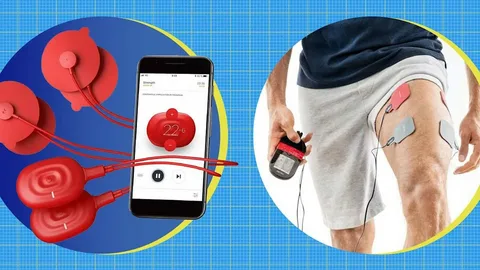
Muscle stimulators are electronic devices that deliver controlled electrical impulses through electrodes placed on the skin, directly activating the underlying muscles. This technology, known as electrical muscle stimulation or EMS, works by sending low-frequency electrical currents that bypass the central nervous system and trigger muscle contractions at the motor neuron level. The concept isn’t new—researchers first explored electrical stimulation for therapeutic purposes in the mid-20th century, primarily to prevent muscle atrophy in bedridden patients and aid rehabilitation after injuries. Over the decades, the technology evolved from bulky clinical machines into sleek consumer products, including the modern EMS training suit designed for full-body activation and compact wearable muscle stimulators that target specific muscle groups. Today’s devices offer programmable intensity levels, multiple stimulation patterns, and wireless connectivity, making them accessible tools for athletes and everyday fitness enthusiasts seeking an edge in their training.
How EMS Mimics Natural Muscle Contractions
During voluntary exercise, your brain sends electrical signals through the spinal cord and motor neurons to activate muscle fibers, causing them to contract and generate force. EMS replicates this process externally. The device’s electrodes deliver impulses that depolarize motor neurons beneath the skin, recruiting muscle fibers in a pattern similar to what occurs during intentional movement. However, there’s a key difference: voluntary contractions typically recruit muscle fibers in an orderly fashion, starting with smaller slow-twitch fibers and progressively engaging larger fast-twitch fibers as demand increases. EMS can recruit a broader range of fibers simultaneously, including deep muscle fibers that are often underutilized during conventional training. This non-selective recruitment means more total muscle tissue is activated per contraction, which enhances overall muscle engagement. When combined with active exercise—such as performing squats while wearing an EMS training suit—the dual stimulation from both voluntary effort and electrical impulses creates a significantly greater training stimulus than either method alone, potentially accelerating the adaptive response that drives muscle growth.
Benefits of Muscle Stimulators for Accelerated Growth and Recovery
The appeal of muscle stimulators extends far beyond novelty—research and real-world application consistently demonstrate measurable benefits for both muscle development and recovery. A 2022 study published in the Journal of Strength and Conditioning Research found that participants who combined EMS with resistance training experienced significantly greater increases in muscle thickness compared to those who performed resistance training alone over an eight-week period. The mechanism behind this enhanced hypertrophy relates to the increased mechanical tension and metabolic stress that EMS creates within muscle tissue, two primary drivers of muscle protein synthesis. Beyond growth, EMS devices serve as powerful recovery tools. Athletes report noticeably reduced delayed-onset muscle soreness when using low-frequency stimulation programs after intense training sessions. This post-workout support works by promoting blood circulation to fatigued muscles, flushing metabolic waste products like lactate while delivering oxygen and nutrients essential for tissue repair. For fitness enthusiasts juggling demanding schedules, this means shorter recovery windows between sessions and the ability to maintain higher training frequency without accumulating excessive fatigue. Professional sports teams and Olympic athletes have incorporated EMS into their recovery protocols for years, and the accessibility of modern consumer devices now brings these same advantages to dedicated gym-goers seeking efficient, evidence-backed tools to complement their training.
Enhancing Muscle Recovery with Electrical Stimulation
Using a muscle stimulator for recovery requires a different approach than using one for strength gains. The goal shifts from generating forceful contractions to creating gentle, rhythmic muscle pumping that mimics active recovery without placing additional mechanical stress on damaged fibers. After a demanding leg session, for example, applying electrodes to the quadriceps and hamstrings at a low intensity for 20 to 30 minutes increases local blood flow by up to 40 percent compared to passive rest, according to research from the European Journal of Applied Physiology. This enhanced circulation accelerates the removal of inflammatory markers and supports the delivery of amino acids to muscle cells during the critical post-exercise repair window. To maximize these benefits, use your device within two hours of completing your workout, select a recovery or low-frequency program typically operating between 1 and 10 Hz, and keep the intensity comfortable enough that you feel a gentle pulsing rather than a strong contraction. Combining this electrical stimulation with proper hydration and adequate protein intake creates an optimal recovery environment that helps you bounce back faster and train with greater consistency over time.
Types of Muscle Stimulators: EMS Suits vs. Wearable Devices
The muscle stimulator market has split into two distinct categories, each serving different training philosophies and lifestyle needs. Full-body EMS training suits integrate dozens of electrodes into a garment that covers major muscle groups simultaneously—chest, back, arms, glutes, and legs all receive stimulation during a single session. On the other end of the spectrum, targeted wearable muscle stimulators focus electrical impulses on specific areas through adhesive pads, wraps, or compression sleeves. Understanding the trade-offs between these approaches is essential for selecting the device that aligns with your muscle growth objectives and daily routine.
Evaluating EMS Training Suits for Comprehensive Workouts
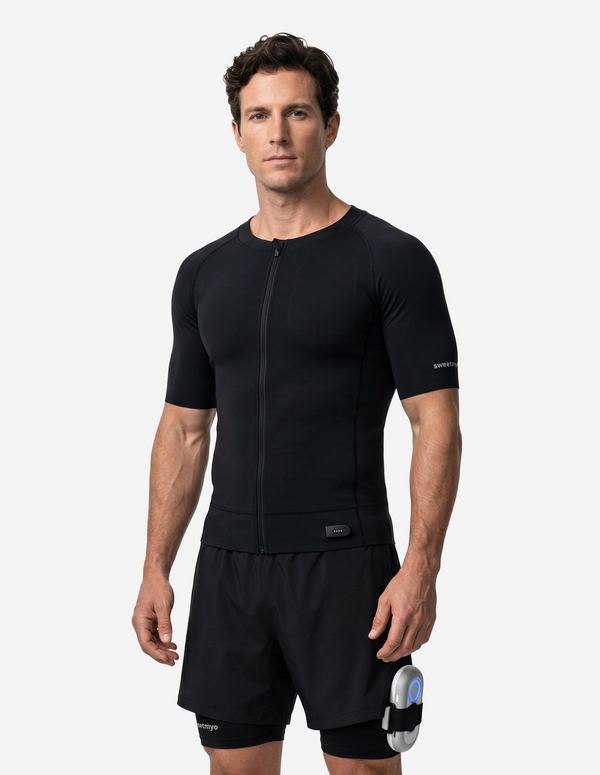
An EMS training suit transforms a standard 20-minute workout into a full-body training experience that simultaneously engages over 90 percent of skeletal muscle mass. These suits excel during compound movements like squats, lunges, and push-ups, where the added electrical stimulation intensifies the contraction across every targeted muscle group at once. The efficiency factor is their strongest selling point—users can achieve training volumes comparable to significantly longer conventional sessions in a fraction of the time. However, EMS suits typically require a dedicated training space, a paired control unit or app, and often a certified trainer for initial setup and programming. They work best for individuals committed to structured workout schedules who want maximum muscle activation without extended gym sessions. The full-body approach also ensures balanced development, reducing the risk of muscular imbalances that can develop when training individual body parts in isolation.
The Rise of Wearable Muscle Stimulators for Targeted Support
Wearable muscle stimulators have gained popularity precisely because they fit seamlessly into daily life. These compact devices—whether adhesive electrode pads, arm sleeves, or abdominal belts—allow you to target a lagging muscle group or address post-workout soreness without interrupting your schedule. Brands like sweetmyo have contributed to this growing category by offering portable EMS solutions designed for fitness enthusiasts who want targeted stimulation without complexity. You can apply a wearable stimulator to sore calves while working at your desk or stimulate your abs during a commute. Their portability makes them ideal for post-workout support on rest days, helping maintain blood flow to recovering muscles between training sessions. The limitation is scope: targeting one or two muscle groups at a time means you won’t replicate the systemic training effect of a full-body suit. For fitness enthusiasts focused on muscle recovery, addressing specific weak points, or supplementing traditional training with additional targeted stimulation, wearable devices offer a practical and accessible entry point into EMS technology without requiring a significant lifestyle adjustment.
How to Choose the Best Muscle Stimulator: A Step-by-Step Guide
Selecting the best muscle stimulator for muscle growth requires a systematic approach rather than impulse buying based on marketing claims. Start by defining your primary goal—full-body hypertrophy enhancement, targeted muscle activation, or accelerated recovery between sessions. This clarity narrows your options immediately. Next, assess your training environment and lifestyle constraints. If you train at a dedicated facility and want maximum muscle engagement, an EMS training suit delivers unmatched comprehensive activation. If you need flexibility and portability for recovery on the go, a wearable muscle stimulator fits better. Once you’ve identified your category, compare devices based on intensity range, ensuring the unit offers enough output to create meaningful contractions rather than just surface-level tingling. Check for FDA clearance or equivalent safety certifications, which confirm the device meets established standards for electrical output and material safety. Read verified user reviews from people with similar fitness backgrounds and goals—testimonials from competitive athletes may not reflect the experience of recreational lifters. Finally, consider the total cost of ownership including replacement electrode pads, app subscriptions, or required accessories before committing.
Key Features to Look for in an Effective Stimulator
The difference between a device that delivers results and one that collects dust often comes down to specific features. Adjustable stimulation programs are non-negotiable—look for units offering distinct modes for strength training, endurance building, and active recovery, each operating at different frequency ranges. A device with at least 1 to 100 Hz capability covers the full spectrum from gentle recovery pulsing to intense muscle-building contractions. Battery life matters more than most buyers realize; a unit that dies mid-session disrupts training consistency, so prioritize devices offering at least 60 minutes of continuous use per charge. Electrode quality and coverage area directly influence comfort and effectiveness—larger pads distribute current more evenly and reduce skin irritation during longer sessions. Wireless connectivity with a companion app provides session tracking, progressive program adjustments, and guided protocols that remove guesswork from your routine. Comfort and fit determine whether you’ll actually use the device regularly, so prioritize ergonomic designs that stay securely in place during movement without restricting range of motion.
Implementing Your Muscle Stimulator into Your Fitness Routine
Integration requires strategy, not random usage. For muscle growth, use your stimulator during resistance training sessions two to three times per week, applying high-frequency programs between 50 and 85 Hz that generate visible, forceful contractions alongside your voluntary efforts. Keep these sessions between 20 and 30 minutes to avoid overloading the neuromuscular system. On rest days, switch to recovery mode at low frequencies between 1 and 10 Hz for 20 to 30 minutes, targeting muscles trained in the previous session to enhance blood flow and reduce soreness. Avoid using high-intensity stimulation on consecutive days for the same muscle group—your fibers need the same 48-hour recovery window they require after heavy lifting. Begin with lower intensity settings during your first two weeks to allow your neuromuscular system to adapt, then progressively increase output as tolerance builds. Pair every stimulation session with adequate protein intake and hydration to supply the raw materials your muscles need for repair and growth. Track your progress through measurements, strength benchmarks, and recovery quality to confirm the device is contributing meaningfully to your overall program rather than simply adding complexity without results.
Choosing the Right EMS Device to Maximize Your Muscle Growth
The best muscle stimulator for accelerated muscle growth ultimately depends on how you train, what you need most, and how seamlessly the device integrates into your existing routine. EMS technology has moved well beyond its rehabilitation origins to become a legitimate performance tool backed by research demonstrating real improvements in muscle hypertrophy, fiber recruitment, and recovery speed. Whether you opt for a full-body EMS training suit that transforms short sessions into comprehensive workouts or a portable wearable muscle stimulator that supports muscle recovery and targets specific areas between gym visits, the key is consistent, strategic use alongside proven fundamentals like progressive overload, adequate nutrition, and sufficient rest. No device replaces hard training, but the right stimulator amplifies your efforts by enhancing muscle engagement during exercise and accelerating tissue repair afterward. Evaluate your goals honestly, prioritize safety-certified devices with adjustable programming, and commit to integrating your chosen tool thoughtfully into your routine. With the right approach, EMS becomes more than a gadget—it becomes a genuine catalyst for faster, more efficient muscle growth.