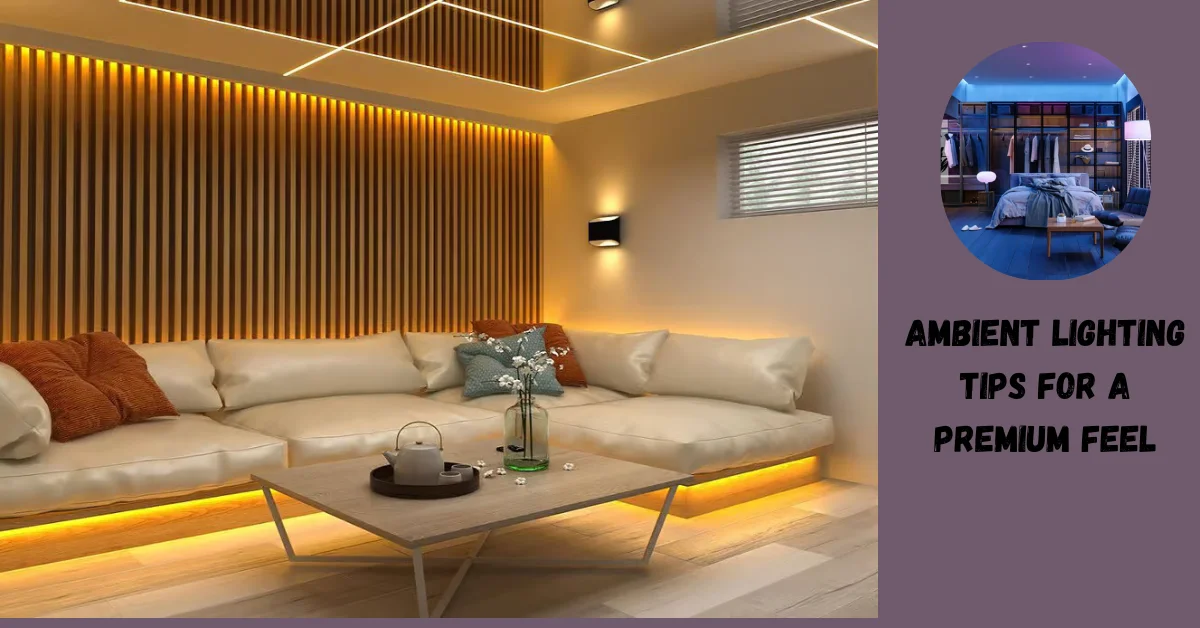
Imagine stepping into a space where the atmosphere instantly wraps you in warmth and comfort. That magical feeling often comes from one essential element: ambient lighting. It’s more than just illumination; it sets the mood, enhances aesthetics, and elevates an ordinary room to something truly special. Whether you’re looking to craft a cozy reading nook or transform your living area into a chic entertainment hub, understanding ambient lighting is key. Let’s dive deeper into this transformative design tool that holds the power to redefine your home environment and create that premium feel you’ve always desired.
The Importance of Ambient Lighting
Ambient lighting is the foundation of any well-designed space. It creates a soft glow that fills the room, making it inviting and comfortable. Without it, even the most stylish decor can feel stark and unwelcoming.
This type of lighting plays a critical role in enhancing mood and functionality. Think about how different environments affect your emotions—bright spaces can energize you, while softer tones promote relaxation.
Furthermore, ambient lighting complements other forms of illumination like task or accent lights. Together, they create a layered effect that adds depth and interest to your interiors.
In addition to aesthetics, proper ambient lighting improves visibility without harsh glare. This balance allows for seamless transitions throughout various activities—from reading to entertaining—making every moment more enjoyable in your home.
Types of Ambient Lighting
Ambient lighting comes in various forms, each serving a unique purpose in enhancing your space.
Soft overhead fixtures are the most common type. They provide an even distribution of light without harsh shadows. Think flush-mounted ceiling lights or simple chandeliers.
Another popular choice is wall sconces. These add character and warmth while illuminating pathways or highlighting artwork.
Floor lamps can create cozy nooks for reading or relaxing. They are versatile and come in countless styles to match any decor.
String lights offer charm and whimsy, perfect for outdoor settings or creating a festive atmosphere indoors.
Recessed lighting provides a sleek look that blends seamlessly into ceilings. This option works wonders in modern spaces where minimalism reigns supreme.
Each type has its own benefits, allowing you to tailor the ambiance according to your needs and preferences.
How to Choose the Right Ambient Lighting for Your Space
Choosing the right ambient lighting involves understanding your space’s purpose. Consider how you use each room. A cozy living area might benefit from soft, warm light, while a workspace may require brighter illumination for productivity.
Next, think about color temperature. Warmer tones create intimacy and comfort, perfect for bedrooms or lounges. Cooler hues can energize a kitchen or office setting.
Don’t forget about scale and placement. Large fixtures can serve as focal points in spacious rooms, while smaller options fit snugly into more compact areas without overwhelming them.
Also, consider dimmable lighting options to adjust the mood as needed throughout the day. Smart lighting solutions offer versatility with just a few taps on your phone.
Remember to complement existing decor—your lights should enhance the overall aesthetic rather than clash with it. Choose styles that resonate with your personal taste while maintaining functionality.
Tips for Creating a Premium Ambiance with Lighting
To create a premium ambiance with lighting, start by layering different light sources. Combine ambient, task, and accent lights for depth.
Consider dimmable options. This allows you to adjust brightness based on mood or time of day. Soft illumination can transform any space into an inviting retreat.
Choose warm color temperatures to enhance comfort. Cooler tones can feel harsh in living areas, while warmer hues promote relaxation.
Incorporate stylish fixtures as focal points. Elegant chandeliers or unique pendant lights serve both functional and aesthetic purposes.
Don’t forget about natural light! Use sheer curtains to let the sun filter in during the day while maintaining privacy at night.
Strategically place mirrors to reflect light around the room. This not only brightens dark corners but also creates an illusion of more space.
Examples of Rooms Transformed by Ambient Lighting
Living rooms are prime candidates for ambient lighting. A simple change, like installing recessed lights or a stylish floor lamp, can create a cozy atmosphere perfect for gatherings or relaxation.
In kitchens, under-cabinet lighting transforms the workspace into an inviting area. Soft glows highlight countertops and add warmth to culinary activities.
Bedrooms benefit immensely from ambient solutions. Dimmable bedside lamps or string lights can set the mood for restful evenings while providing just enough illumination for late-night reading.
Bathrooms that incorporate backlit mirrors exude luxury and sophistication. The gentle light enhances décor while ensuring functional brightness without overwhelming glare.
Home offices also thrive with strategic ambient lighting. Using adjustable desk lamps paired with warm wall sconces creates an inspiring environment conducive to productivity and focus.
These examples illustrate how thoughtful use of ambient lighting elevates any space, making it feel more refined and welcoming.
Mistakes to Avoid When Using Ambient Lighting
One common mistake is focusing solely on aesthetics without considering functionality. Ambient lighting should enhance your space while providing adequate illumination for daily tasks.
Overlooking color temperature can also lead to disappointing results. A warm hue might feel cozy, but it may not be ideal for all areas. Balance is key; consider the purpose of each room when selecting lights.
Another pitfall is miscalculating light placement. Lights that are too dim or poorly positioned can create shadows or hotspots, disrupting the overall vibe. Take some time to experiment with different layouts before settling on a design.
Avoid using only one type of ambient lighting throughout your home. Variety adds depth and character to spaces. Layering different sources creates an inviting atmosphere that feels premium and personalized rather than monotonous and flat.
Conclusion
Ambient lighting plays a crucial role in setting the mood of any space. It enhances aesthetics and creates an atmosphere that invites relaxation, creativity, or focus. Whether you’re redesigning your home or simply looking to make small adjustments, understanding ambient lighting can elevate your living experience.
There are various types of ambient lighting—overhead fixtures, wall sconces, floor lamps, and even natural light sources like windows. Each serves its purpose depending on the room size and style.
Selecting the right ambient lighting involves considering both functionality and design. Assess how much light you need based on activities performed in each area. The choice between warm or cool tones can also significantly influence the ambiance.
Creating a premium feel with ambient lighting is all about layering effects. Combining different light sources at varying heights adds depth to a room’s appearance while ensuring that spaces remain well-lit without feeling harsh.
Transformative examples abound; consider how soft LED strips under cabinets add warmth to kitchens or how pendant lights over dining tables create intimate settings for meals. These thoughtful touches breathe new life into everyday spaces.
However, it’s essential to avoid common mistakes when working with ambient lighting—like using too few fixtures or neglecting dimmers which allow for versatile use throughout day-to-night transitions.
By exploring these concepts further and applying them thoughtfully within your environment, you’ll discover just how impactful well-planned ambient lighting can be in crafting spaces that resonate with luxury and comfort.

Susana is a creative writer at The Internet Chicks, covering everything from technology and business to celebrity biographies, net worth, lifestyle, and sports. She loves turning facts into stories that inform, inspire, and entertain readers.