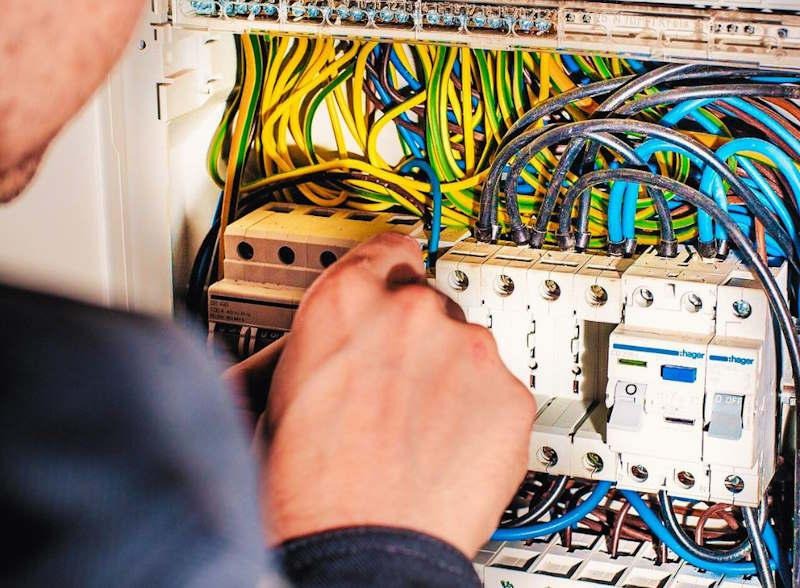
Electrical safety has become a central issue for landlords in the UK, shaped by tighter regulation, rising tenant awareness, and an ageing housing stock. In 2026, landlords are expected not only to meet minimum legal standards but also to demonstrate a proactive approach to maintaining safe electrical systems. Understanding what this means in practical terms is now essential for protecting tenants and property alike.
While gas safety has long been well understood, electrical risks are often less visible. Faulty wiring, outdated consumer units, and overloaded circuits can sit unnoticed for years. This is why professional oversight from local electrical specialists is increasingly viewed as a normal part of responsible property management rather than an optional extra.
Electrical safety is no longer a background concern. It sits alongside fire safety and structural integrity as a core obligation for anyone letting residential property.
Why electrical safety standards matter more in 2026
The UK rental market continues to evolve, with more emphasis on preventative maintenance. Electrical faults remain a leading cause of domestic fires, many of which could be avoided through routine inspection and early fault detection. In response, enforcement around electrical compliance has become more consistent across local authorities.
Tenants are also better informed. Many now expect evidence that a property has been inspected by qualified domestic electricians and that any identified risks have been addressed. This shift in expectations means landlords who neglect electrical safety face not only legal exposure but reputational risk.
From a financial perspective, addressing electrical issues early often prevents more serious and costly repairs later. Worn cabling or loose connections can cause damage to appliances, fixtures, and even the building fabric if left unresolved.
What the law requires from landlords
Landlords in England must ensure that electrical installations in rented properties are safe and maintained throughout the tenancy. This includes fixed wiring, sockets, switches, consumer units, and any permanent fittings. The legal framework requires periodic assessment and documentation of the installation’s condition.
Electrical safety regulations mandate that inspections are carried out at regular intervals by a competent person. Any hazards identified must be remedied within specified timescales, with written confirmation provided. Failure to comply can result in enforcement notices and financial penalties.
In practical terms, compliance is not a one off exercise. It is an ongoing duty that continues for as long as the property is let. Changes in occupancy, usage patterns, or property alterations can all affect electrical safety.
Understanding EICR compliance in plain terms
An Electrical Installation Condition Report, commonly known as an EICR, is the formal document used to assess the safety of a property’s electrical system. It evaluates whether installations are suitable for continued use and highlights defects that may pose a risk.
The report categorises issues based on severity. Some require immediate action, while others indicate areas that should be improved to meet current standards. For landlords, understanding these classifications is critical, as certain findings trigger mandatory remedial work.
Using professional Electrical Installation Condition Reports ensures that assessments are carried out to recognised standards. This clarity helps landlords prioritise maintenance and demonstrate compliance if questioned by authorities or insurers.
Common electrical risks in rental properties
Many rental homes in the UK were built decades ago, long before modern electrical demands. As a result, outdated wiring systems remain common, particularly in older terraces and converted flats. These installations may struggle to safely support contemporary appliances and heating systems.
Another frequent issue is inadequate consumer units. Older fuse boards often lack residual current devices, which provide vital protection against electric shock. Their absence increases risk for tenants and can lead to non compliance findings during inspections.
Poorly executed alterations also present a concern. DIY modifications or unrecorded changes made by previous owners can introduce hidden faults. Without proper testing, these issues can remain undetected until a failure occurs.
The role of domestic electricians in fault detection
Qualified domestic electricians play a crucial role in identifying risks that are not obvious during everyday use. Through testing and inspection, they can detect issues such as insulation breakdown, circuit overloading, and inadequate earthing.
This form of fault detection goes beyond visual checks. It relies on calibrated equipment and technical knowledge to assess performance under safe conditions. For landlords, this means problems are identified before they escalate into incidents.
Working with established providers such as Electric Master allows landlords to maintain a consistent inspection history. This continuity can be valuable when managing multiple properties or responding to queries from tenants and regulators.
Electrical safety and landlord responsibilities
Landlord responsibilities extend beyond arranging inspections. Once issues are identified, timely remedial action is essential. Delays can expose tenants to ongoing risk and undermine compliance efforts.
Clear communication is also important. Tenants should be informed when inspections will take place and reassured that any necessary work is being addressed. Transparency helps build trust and reduces the likelihood of disputes.
Record keeping remains a key aspect of compliance. Landlords must retain reports and evidence of completed works, making them available upon request. In 2026, digital record systems are increasingly used to manage this information efficiently.
How electrical safety supports wider home maintenance
Electrical systems do not operate in isolation. They interact with heating, ventilation, and appliances, all of which influence overall property condition. A safe electrical installation supports reliable operation of these systems.
Regular inspection can also highlight secondary maintenance issues. Signs of moisture ingress, pest damage, or structural movement may be identified during electrical assessments. Addressing these early contributes to better long term property care.
From an insurance perspective, documented electrical safety measures can support claims and demonstrate that reasonable steps were taken to manage risk. This alignment between safety and asset protection is increasingly recognised.
Preparing for future changes in regulation
While current regulations set clear expectations, further refinement is likely as housing standards continue to develop. Landlords who already adopt best practice will find it easier to adapt to future requirements.
Staying informed about guidance from industry bodies and local authorities helps ensure ongoing compliance. Engaging with qualified electrical engineers provides access to up to date technical advice as standards evolve.
In many cases, incremental upgrades carried out over time are more manageable than large scale remedial works triggered by enforcement action. Planning ahead remains the most effective approach.
A practical approach to electrical safety in 2026
Electrical safety in rented property is best viewed as a continuous process rather than a periodic obligation. Regular inspection, prompt maintenance, and accurate documentation form the foundation of compliance.
Landlords who invest in professional assessment and fault detection reduce risk for tenants and protect their assets. They also position themselves to meet future expectations with confidence.
In 2026, responsible electrical management is not about exceeding legal requirements. It is about understanding them, applying them consistently, and recognising their role in safe and sustainable property ownership.

Backlinks Hub is a results-driven SEO platform focused on smart link-building, valuable content, and proven strategies that help brands grow faster and rank higher in search engines.