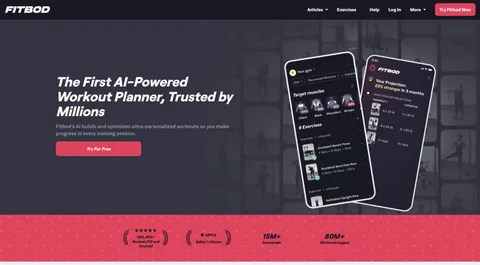
That’s where AI workout planners are changing everything. By analyzing your personal data and adapting in real time, these intelligent tools bring professional-level programming directly into your living room. But smart planning alone isn’t enough — the accessories you train with matter just as much. Equipment like the AEKE Barbell Squat Pad bridges the gap between discomfort and peak performance, allowing you to push harder with confidence and proper form.
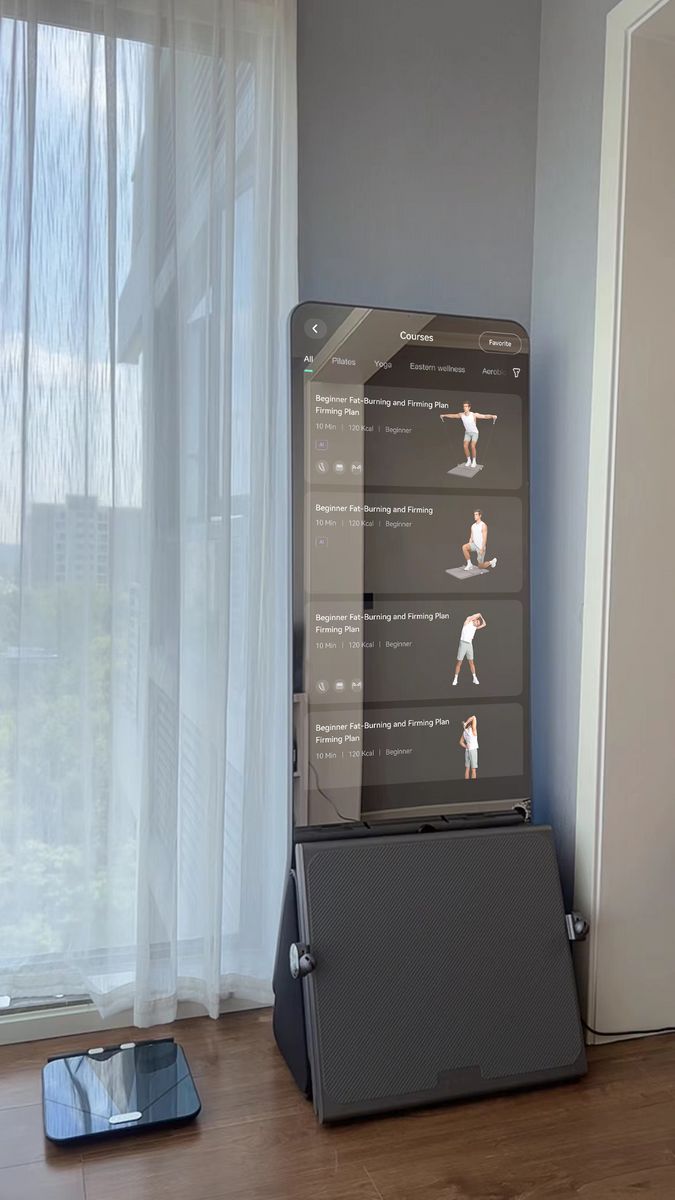 This article explores how AI workout planners work, why the right home gym accessories are non-negotiable for serious strength training, and exactly how to combine both for a training system that’s safer, smarter, and built around you.
The Rise of AI in Fitness: Understanding AI Workout Planners
An AI workout planner is a software-driven system that uses machine learning algorithms and user-provided data to design, monitor, and continuously refine personalized training programs. Unlike static workout apps that hand you a one-size-fits-all plan, AI-powered platforms analyze variables like your current fitness level, training history, recovery capacity, and available equipment — then build a program specifically around those factors. The result is a training experience that feels less like following a generic template and more like working with a knowledgeable coach who actually knows you.
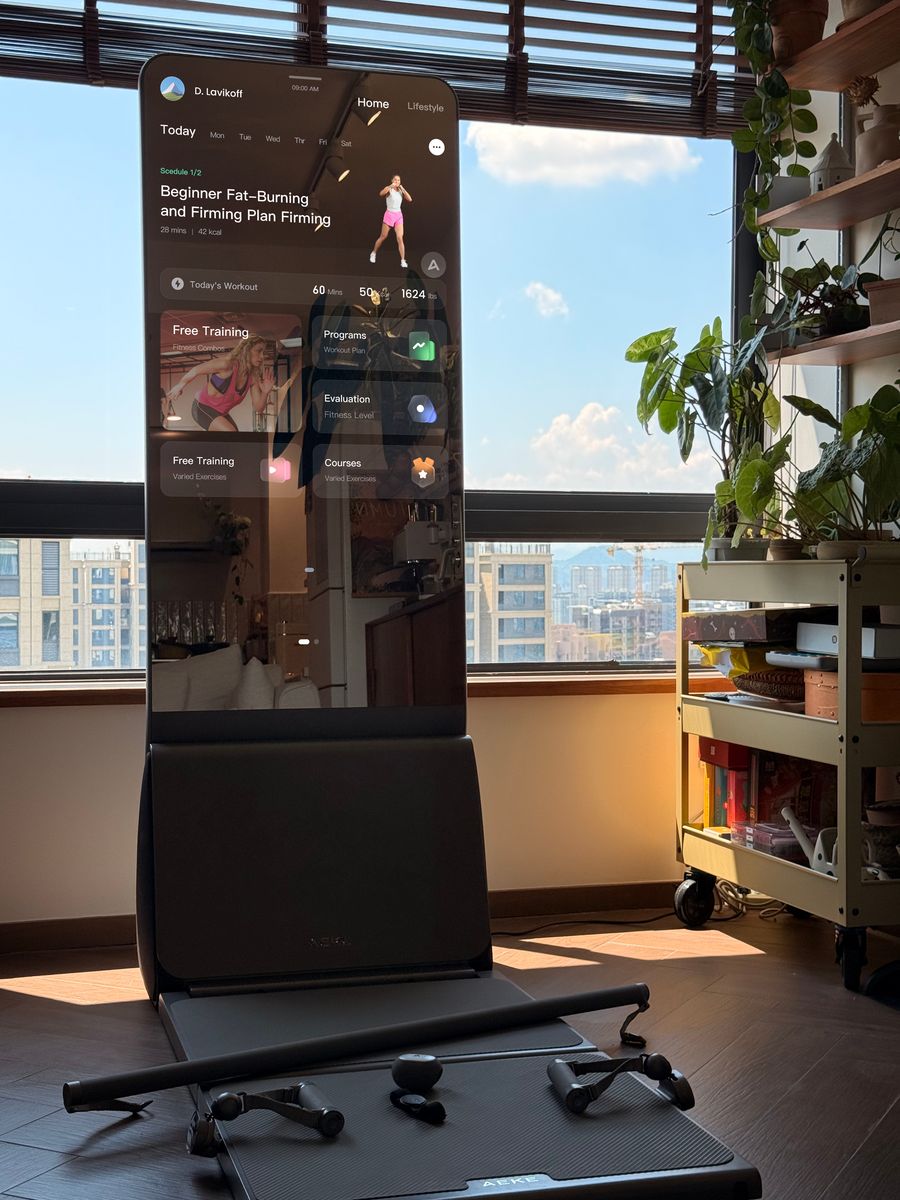 At the core of every AI workout planner is personalization. When you first set up a profile, you input key details: your strength training goals, how many days per week you can train, what equipment you have at home, and any physical limitations or injury history. The AI processes this information to generate a structured program with appropriate exercise selection, volume, and intensity. As you log workouts and report performance data, the system continuously recalibrates — increasing load when you’re progressing well, dialing back when recovery signals suggest you need more rest.
For home strength trainers specifically, this adaptability is invaluable. Without a gym environment to naturally guide your choices — no group classes, no trainers on the floor, no peers pushing you — it’s easy to stagnate or overtrain. AI workout planners solve this by introducing progressive overload systematically, ensuring each session builds logically on the last. Many platforms also integrate motivational features like streak tracking, performance benchmarks, and real-time feedback during exercises, which helps sustain consistency over weeks and months. By removing the guesswork from programming, AI tools free you to focus entirely on execution — which is where real strength gains are made.
Essential Home Gym Accessories for Effective Strength Training
A well-designed home gym is more than a collection of weights in a spare room. The accessories you choose directly influence how safely and effectively you train — and for serious strength work, the wrong equipment can turn a productive session into an injury waiting to happen. Barbells, dumbbells, and resistance bands form the foundation, but it’s the supporting accessories that determine whether you can actually push your limits consistently. A quality lifting belt protects your lower back during heavy compound movements. Resistance bands add accommodating resistance that free weights alone can’t replicate. And when it comes to barbell-loaded lower body work, padding isn’t a luxury — it’s a necessity.
Why the AEKE Barbell Squat Pad is a Must-Have
Squats, hip thrusts, and lunges are the cornerstone of any lower body strength program, but raw barbell contact against the cervical spine or hip bones creates real discomfort that forces you to cut sets short before your muscles are actually fatigued. The AEKE Barbell Squat Pad solves this directly. Its high-density foam construction absorbs and distributes barbell pressure evenly, eliminating the sharp contact points that derail focus and limit load tolerance. This means you can maintain proper bracing and positioning throughout each rep rather than compensating your form to manage pain. Compared to makeshift solutions like folded towels or thin generic pads, the AEKE pad stays securely in place and holds its shape under heavy loads — a meaningful difference when you’re attempting a personal record on hip thrusts or working through high-rep squat sets.
Integrating Accessories into Your Routine
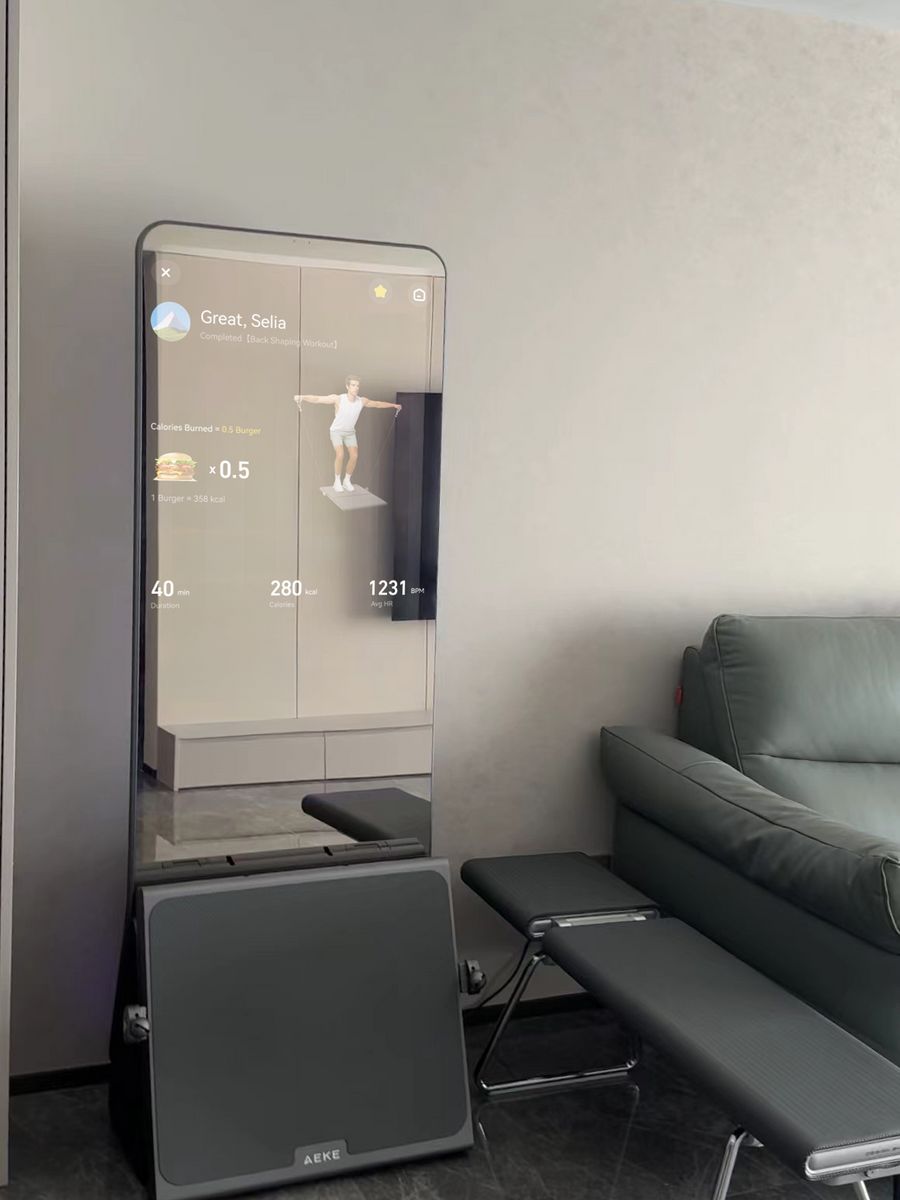
The key to getting full value from accessories like the AEKE Barbell Squat Pad is treating them as tools with specific applications rather than afterthoughts. Use the pad consistently during hip thrusts, barbell squats, and any loaded carry variation where the bar contacts soft tissue. When you log these exercises in your AI workout planner, note that the pad is in use — some platforms allow you to track equipment details alongside sets and reps, which helps the AI make more accurate load recommendations over time. If your AI planner schedules a lower body session and includes barbell hip thrusts, having the pad ready removes friction from setup and keeps your session moving efficiently. Small details like this compound into a training environment that’s genuinely optimized for consistent, injury-free progress.
How to Use an AI Workout Planner for Personalized Strength Training
Turning an AI workout planner into a genuinely effective training system requires more than downloading an app and hitting start. The real power comes from how deliberately you set it up, how consistently you feed it data, and how well you align your physical environment — including your equipment — with what the platform recommends. Follow these three steps to build a home strength training system that actually adapts to you.
Step 1: Setting Up Your AI Profile and Goals
Your AI planner is only as smart as the information you give it. Start by defining your primary objective with specificity — not just “get stronger,” but something measurable like increasing your squat one-rep max by 20 pounds over 12 weeks or completing three full-body sessions per week consistently. Input your current fitness level honestly, including how long you’ve been training and where your lifts currently stand. Then catalog exactly what equipment you have available: barbell, plates, dumbbells, resistance bands, and accessories like the AEKE Barbell Squat Pad. Platforms that account for available equipment generate far more practical programming than those that assume a fully stocked gym. Also flag any injury history or mobility limitations upfront — this shapes exercise selection from day one and prevents the AI from programming movements your body isn’t ready for.
Step 2: Incorporating Accessories for Optimal Results
Once your profile is live and your first program is generated, review the lower body sessions carefully. If your plan includes barbell squats, hip thrusts, or Bulgarian split squats, mark the AEKE Barbell Squat Pad as your standard setup accessory for those movements. Some AI platforms include equipment notes within individual exercise logs — use this feature to record that padding is in use, which gives the system cleaner data when interpreting your performance. A common mistake is treating accessories as optional add-ons you only reach for when discomfort becomes unavoidable. Instead, build pad usage into your pre-session checklist so it’s automatic. This consistency removes a friction point that silently limits load progression — when you’re not managing barbell pressure, you’re free to focus entirely on depth, bracing, and drive.
Step 3: Monitoring Progress and Adjusting Plans
Consistent logging is what separates a static plan from a truly adaptive one. After each session, record your completed sets, reps, and loads — along with any notes on how the workout felt. Most AI platforms use this data to make micro-adjustments: adding weight when you’re consistently hitting the top of your rep ranges, reducing volume when fatigue accumulates, or substituting exercises when you report discomfort. Pay attention to the adjustment recommendations rather than overriding them manually out of ego. If the AI pulls back intensity after a tough week, trust the signal. The synergy between smart programming and reliable equipment like the AEKE Barbell Squat Pad compounds over time — each well-executed session builds on the last, and the AI’s picture of your capacity becomes more accurate the more data you provide. That feedback loop is where real, sustainable strength development happens.
Building a Smarter, Stronger Home Training System
Home strength training has never been more accessible — or more intelligent. AI workout planners eliminate the guesswork that holds most home gym athletes back, replacing generic programming with adaptive, data-driven plans that evolve as you do. Pair that intelligence with the right accessories, and you have a training system that’s genuinely built for long-term progress.
The AEKE Barbell Squat Pad exemplifies what smart equipment selection looks like in practice. By removing the discomfort that limits load tolerance on squats, hip thrusts, and lunges, it lets you train with full focus on form and effort — exactly what your AI planner needs to generate accurate performance data and keep pushing your programming forward. That synergy between intelligent software and purpose-built accessories is what separates athletes who plateau from those who keep improving.
Start by setting up your AI profile with honest, detailed inputs. Equip your space with accessories that support your specific movements. Log every session, trust the adjustments, and let the system do what it’s designed to do. The combination of personalized programming and reliable equipment doesn’t just make home training more effective — it makes it sustainable. That’s the foundation every serious strength trainer needs.