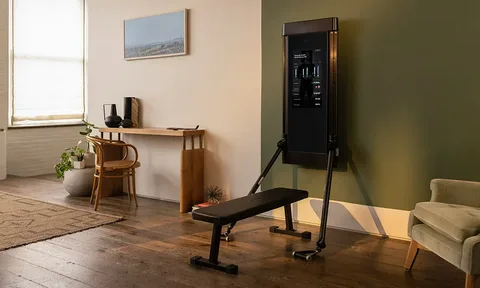
Yet for all its appeal, Tonal isn’t the right fit for everyone. Whether it’s the premium price tag, the ongoing subscription requirement, or simply a desire for something different, many fitness enthusiasts are actively searching for a capable tonal alternative that delivers the same convenience without the compromises. The core challenge remains consistent: finding an all-in-one home fitness solution that sets up quickly, adapts to your schedule, and covers strength, cardio, and flexibility without requiring a dedicated room or a gym-sized budget. This article explores and compares the most compelling alternatives available today, helping you identify the smart home gym setup that genuinely fits your life.
Why Consider Tonal Alternatives for Your Home Fitness Journey?
Tonal has earned its reputation as a premium smart home gym, but its appeal comes with real barriers that push many fitness enthusiasts to explore other options. The upfront cost alone is significant, and when you factor in the mandatory monthly subscription required to unlock the platform’s full coaching and workout library, the total investment climbs considerably higher over time. For budget-conscious buyers, that ongoing financial commitment can feel difficult to justify — especially when comparable results might be achievable through other means.
 Availability presents another hurdle. Tonal requires professional installation and a structurally suitable wall, which immediately rules it out for renters, apartment dwellers, or anyone without the right setup. Its fixed, wall-mounted design also means zero portability — once it’s up, it stays there. For households where space flexibility matters, that’s a genuine limitation worth weighing carefully.
Beyond logistics and cost, there’s the question of personal fit. Tonal’s ecosystem is built around a specific training philosophy and content library that may not align with everyone’s workout preferences. Some users want more cardio integration, others prioritize free-weight feel, and many simply want equipment that doesn’t lock them into a single platform’s content model. Choosing a tonal alternative isn’t about settling for less — it’s a strategic decision to find a solution that genuinely matches your budget, living situation, and how you actually like to train. The right alternative can deliver equally smart, efficient workouts while giving you greater control over your fitness journey.
Defining the Ideal Smart Fitness Ecosystem
A smart fitness ecosystem is more than a single piece of equipment — it’s an interconnected network of hardware, software, and guidance that works together to deliver efficient, personalized workouts on your schedule. At its core, a well-designed smart fitness ecosystem combines digital resistance technology, real-time coaching, and seamless app integration to replicate the experience of working with a personal trainer, minus the scheduling conflicts and added expense.
For busy professionals, the defining features worth prioritizing come down to a handful of essentials. Digital or motorized resistance systems allow instant weight adjustments without manually swapping plates or cables, which keeps workout momentum intact. Progress tracking — whether through built-in sensors, paired wearables, or app-based logging — transforms raw effort into measurable data, making it easier to see improvement and stay motivated over weeks and months. Community features, such as live classes, leaderboards, or social challenges, add an accountability layer that solo home workouts often lack.
AI-driven workout programming is where modern smart gyms genuinely earn their value. Rather than following a static routine, adaptive platforms analyze your performance history and adjust intensity, volume, and exercise selection accordingly. This means every session is appropriately challenging — not too easy to waste time, not so demanding that recovery suffers. For someone squeezing a workout into a 30-minute window between commitments, that kind of intelligent programming is a practical necessity rather than a luxury feature.
Connectivity matters too. The best smart fitness ecosystems integrate smoothly with popular health platforms like Apple Health, Google Fit, or Garmin Connect, so your fitness data lives in one place rather than scattered across multiple apps. When evaluating any tonal alternative, measuring it against these ecosystem standards — resistance quality, tracking depth, adaptive coaching, and platform connectivity — gives you a reliable framework for separating genuinely capable systems from equipment that simply looks smart on the surface. Brands like FitTransformer have built their home gym equipment around exactly these principles, emphasizing adaptive programming and broad platform compatibility as baseline expectations rather than premium add-ons.
Top Tonal Alternatives: Comprehensive Home Gym Machines Reviewed
The smart home gym market has expanded significantly, giving fitness enthusiasts genuinely capable options beyond Tonal. The following machines stand out for their blend of intelligent features, workout versatility, and practical value — each addressing different priorities without forcing you to compromise on the quality of your training.
Tempo Studio – A Versatile Smart Gym
Tempo Studio combines a floor-standing cabinet design with 3D sensor technology that tracks your form in real time, offering corrective feedback typically reserved for in-person coaching. The built-in storage houses a full set of free weights, barbells, and accessories, making it a genuinely all-in-one home gym machine without requiring wall installation. Setup is straightforward, and the guided workout library spans strength, cardio, and mobility — meaning a 30-minute session can cover multiple fitness dimensions efficiently. Its adjustable workout equipment approach, using physical weights rather than digital resistance, also appeals to users who prefer the feel of traditional strength training.
Bowflex Velocore – A Budget-Friendly Home Solution
For those prioritizing affordability without abandoning smart features, the Bowflex Velocore bike delivers an engaging cardio-focused experience at a fraction of Tonal’s cost. Its leaning technology adds a dynamic, full-body dimension to cycling workouts, and the integrated screen provides access to structured classes and performance tracking. The compact footprint makes it well-suited for apartments or smaller spaces, and the absence of a mandatory subscription keeps ongoing costs manageable. While it skews cardio-heavy rather than offering comprehensive strength training, it’s a time-efficient solution for professionals who want structured, trackable sessions without complexity.
Echelon Reflect Touch – High-End Adjustable Equipment
The Echelon Reflect Touch mirror gym integrates seamlessly with fitness apps and delivers live and on-demand classes spanning strength, yoga, Pilates, boxing, and cardio — all from a sleek mirror that doubles as a display when not in use. Its appeal lies in versatility: one piece of equipment supports an entire household’s varied fitness preferences. App connectivity with platforms like Apple Health ensures workout data flows into your broader health ecosystem, and the premium build quality justifies its position as a serious all-in-one tonal alternative for professionals seeking comprehensive, studio-quality programming at home.
How to Choose the Right Tonal Alternative: A Step-by-Step Guide
Selecting the right smart home gym comes down to honest self-assessment before comparing spec sheets. Start by evaluating your available space and realistic budget — not just the upfront equipment cost, but the total two-year investment including subscriptions, accessories, and any installation requirements. A machine that fits your finances today but strains them monthly will eventually become a source of friction rather than motivation.
Next, examine the features that directly affect your daily routine. How quickly can the equipment be ready to use? If setup takes more than two minutes, it creates a psychological barrier that compounds over time. Equally important is workout diversity — a platform covering strength, cardio, and mobility means you can run a complete training week from a single machine rather than piecing together multiple solutions. Look for adaptive programming specifically, since static workout libraries lose their effectiveness as your fitness level improves.
The third step is matching equipment to your actual fitness goals rather than aspirational ones. Someone focused on building functional strength needs different tools than someone primarily chasing cardiovascular fitness or stress relief. Be specific: write down your top three training priorities, then evaluate each alternative against those criteria rather than against a generic feature checklist.
Finally, calculate long-term costs with full transparency. Some alternatives carry no subscription requirement, while others lock their best features behind recurring fees. Factor in the realistic lifespan of the equipment and whether the manufacturer has a track record of sustained software support. The right tonal alternative isn’t necessarily the most feature-rich option — it’s the one that consistently fits your space, budget, goals, and schedule twelve months from now, not just on delivery day.
Benefits of Investing in Adjustable Workout Equipment for Busy Lifestyles
Adjustable workout equipment solves one of the most persistent problems in home fitness: the need for multiple machines to cover different training goals. A single versatile system replaces what would otherwise require separate cardio, strength, and flexibility equipment — saving both floor space and the mental overhead of managing a patchwork gym setup. For busy professionals, that consolidation translates directly into faster session starts and fewer decisions standing between you and an effective workout. When your equipment adapts to whatever you need that day — much like the modular approach FitTransformer applies to its home gym equipment lineup — consistency becomes significantly easier to maintain across weeks and months, which is ultimately where fitness results are built.
Making the Smart Choice for Your Home Fitness Investment
Finding the right smart home gym isn’t about chasing the most impressive spec sheet — it’s about identifying the solution that genuinely fits how you live, train, and budget. Throughout this guide, we’ve examined why Tonal alternatives deserve serious consideration, what a well-rounded smart fitness ecosystem actually requires, and how leading machines like Tempo Studio, Bowflex Velocore, and Echelon Reflect Touch each address different training priorities. We’ve also walked through a practical framework for making that decision: assessing your space, calculating true long-term costs, matching equipment to your actual goals, and prioritizing features that reduce friction rather than add it.
The right tonal alternative won’t just save you money — it will make consistent training genuinely achievable within the realities of a packed schedule. When your home gym adapts to your needs, requires minimal setup, and covers strength, cardio, and mobility without demanding a dedicated room, fitness stops being something you squeeze in and starts being something you protect. Use the comparisons and steps in this guide to evaluate your options with clarity. The best investment isn’t the most expensive machine on the market — it’s the one you’ll actually use, week after week, long after the novelty wears off.