Why Bathroom Lighting Matters: The Rise of LED Mirrors
Bathroom lighting directly influences how a space feels and functions. Poor illumination creates shadows that make grooming tasks frustrating, while harsh overhead fixtures wash out skin tones and leave corners dim. Effective bathroom lighting strikes a balance between ambient warmth and task-focused clarity, and LED mirrors deliver exactly that combination. By positioning light at face level and distributing it evenly across the mirror surface, these fixtures eliminate the unflattering shadows cast by traditional ceiling-mounted lights. For contractors, this matters because clients immediately notice the difference during walkthroughs. A well-lit bathroom signals quality craftsmanship and attention to detail, which translates into stronger referrals and higher perceived property value. LED technology also brings significant energy efficiency gains, drawing a fraction of the wattage that incandescent or fluorescent alternatives require while lasting tens of thousands of hours. As smart home integration becomes standard in residential builds, LED mirrors fit naturally into connected ecosystems, offering touch controls, dimmable settings, and compatibility with home automation platforms. For professionals looking to differentiate their projects, upgrading to LED mirrors is one of the simplest ways to elevate a bathroom from ordinary to impressive without complicating the electrical scope of work.

Intelligent Defogger Technology: Ensuring a Clear View Mirror
Steam buildup on bathroom mirrors is one of those persistent annoyances that homeowners tolerate until they experience the alternative. An intelligent defogger eliminates condensation before it forms, keeping the mirror surface completely transparent regardless of how hot the shower runs. The technology relies on a thin heating pad adhered to the back of the mirror glass, typically covering the central viewing area. When activated, this element gently warms the glass surface just enough to prevent moisture from condensing on it. More advanced systems incorporate sensors that detect rising humidity levels and engage the defogger automatically, requiring zero input from the user. This means the mirror maintains a clear view from the moment someone steps out of the shower.
For contractors, the intelligent defogger represents a low-maintenance feature that dramatically increases perceived value. There are no moving parts, no filters to replace, and no calibration required after installation. The heating element draws minimal power, typically between 15 and 30 watts, and integrates seamlessly with the mirror’s existing electrical connection. Because the defogger operates behind the glass, it remains invisible and protected from moisture damage. Clients appreciate a clear view mirror that works effortlessly every single day, and contractors benefit from fewer callback requests related to bathroom moisture issues. When you’re selecting fixtures that need to perform reliably for years without intervention, intelligent defogger systems check every box for durability and user satisfaction.

How Defoggers Enhance User Experience
Homeowners who’ve used a defog-equipped mirror rarely want to go back. The immediate visibility after a hot shower eliminates the habit of wiping the glass with a towel, which over time can scratch coatings and leave streaks. Morning routines become faster because there’s no waiting for condensation to clear. For households with multiple family members sharing a bathroom, this convenience compounds daily. Contractors can leverage this feature as a tangible selling point during client consultations, demonstrating that the upgrade delivers comfort homeowners will notice and appreciate every single morning for years to come.
Installation Considerations: Vertical Hanging vs. Horizontal Hanging
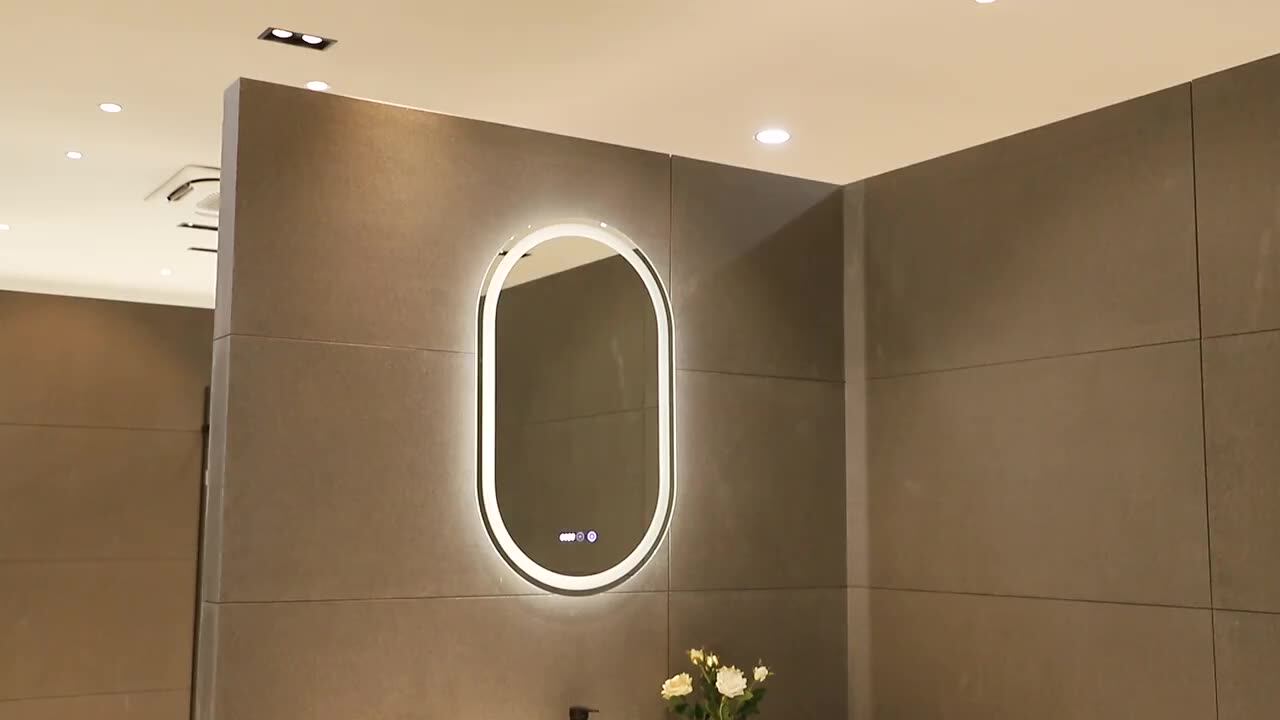
Orientation choice affects everything from visual proportions to electrical routing, and contractors who assess the bathroom layout before ordering save themselves significant time on installation day. Vertical hanging works best in narrow spaces, powder rooms, and bathrooms where wall width is limited between fixtures or cabinetry. A vertically oriented mirror elongates the visual perception of the room and provides full upper-body reflection, which many homeowners prefer for grooming. Horizontal hanging, on the other hand, suits wider vanity setups, double-sink configurations, and bathrooms where the mirror needs to span a broader area. It creates a sense of openness and pairs naturally with longer countertops.
When evaluating which orientation to recommend, measure the available wall space between any obstructions like sconces, medicine cabinets, or outlets. Consider the vanity width as your baseline: a mirror mounted horizontally should generally not exceed the vanity’s outer edges, while a vertical mirror should center above the sink with adequate clearance on each side. Ceiling height also plays a role. Bathrooms with lower ceilings benefit from horizontal hanging because vertical mirrors can feel cramped against the ceiling line. For standard eight-foot ceilings and taller, vertical mounting opens up design flexibility.
From an installation efficiency standpoint, both orientations use the same mounting hardware and wiring approach, so the time difference is negligible. The key variable is stud placement. Horizontal mirrors often span two or more studs, providing natural anchor points. Vertical mirrors may require toggle bolts or specialized anchors if studs don’t align with the bracket positions. Planning this ahead of time during the rough-in phase prevents delays and ensures a secure, level installation regardless of orientation.
Step-by-Step Guide to Vertical Hanging
Start by locating wall studs with an electronic finder and marking their centers. Measure the mirror’s mounting bracket positions and transfer those measurements to the wall, using a laser level to ensure perfect vertical alignment. If brackets don’t align with studs, install heavy-duty toggle anchors rated for the mirror’s weight. Secure the upper mounting bracket first, then hang the mirror and confirm it sits level before tightening the lower supports. Connect the electrical lead to the pre-wired junction box, ensuring all connections are protected with wire nuts inside an accessible housing. The entire process typically requires a drill, laser level, stud finder, and basic electrical tools, keeping the toolkit minimal and the workflow straightforward.
Step-by-Step Guide to Horizontal Hanging
Begin by measuring the vanity width and centering the mirror’s horizontal span above it. Mark stud locations across the mounting area, as horizontal orientation usually offers at least two solid anchor points. Install a French cleat or Z-bar bracket system, which distributes weight evenly and simplifies leveling across a wider span. Secure the bracket to studs using lag screws, verify level, then hang the mirror onto the cleat. Route the electrical wire to the junction box, keeping the connection point behind the mirror’s upper edge for a clean appearance. Common pitfalls include failing to account for outlet placement behind the mirror and neglecting to verify that the wall surface is flat across the full width, which can cause the mirror to rock or sit unevenly against the surface.
Key Features Contractors Should Evaluate in Bathroom LED Mirrors
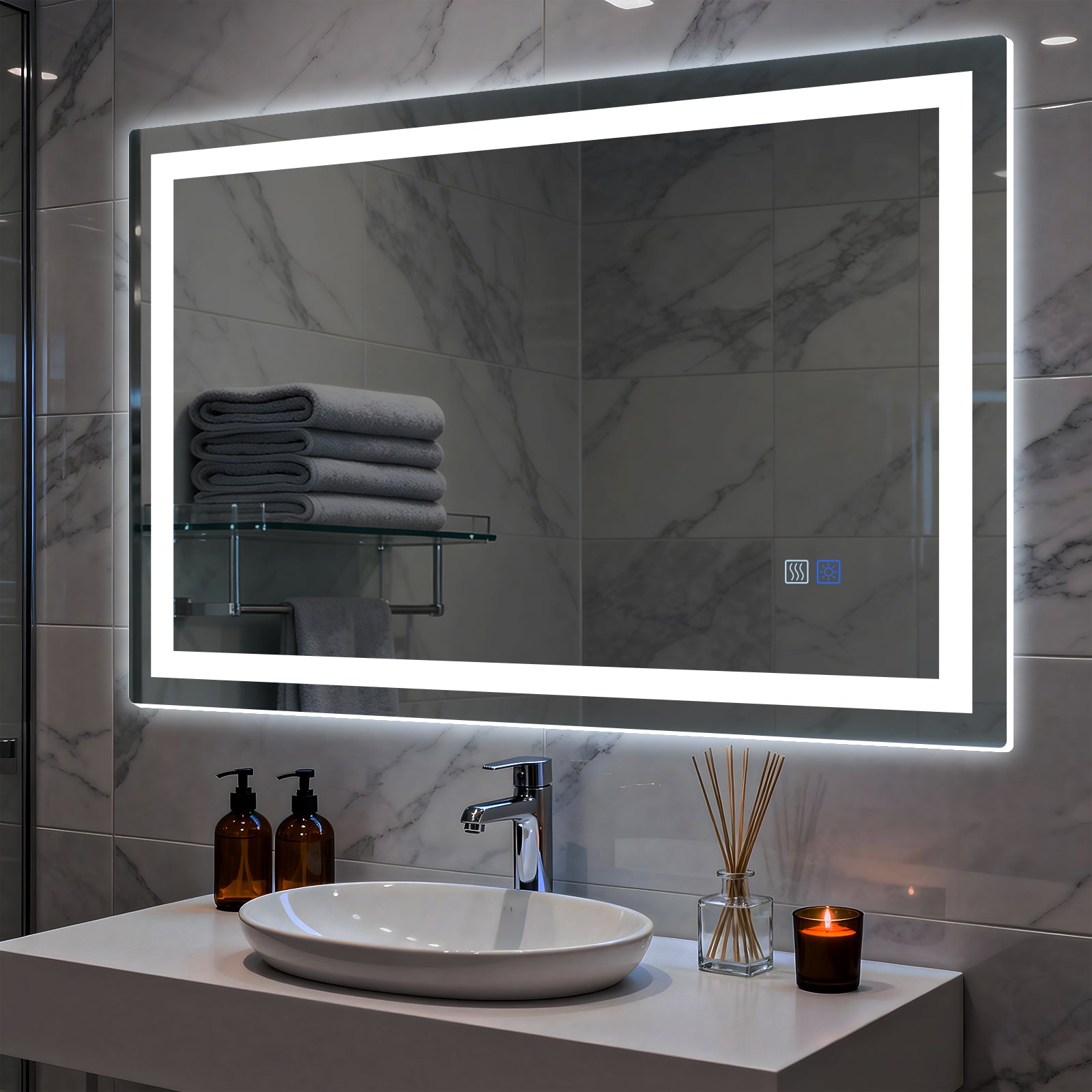
Not every bathroom mirror with LED light delivers the same performance, and contractors who know what to look for can avoid products that disappoint clients or fail prematurely. Brightness settings rank among the most important considerations. Look for mirrors offering adjustable lumen output so homeowners can shift between bright task lighting for shaving or makeup application and softer ambient illumination for evening relaxation. Color temperature flexibility matters equally—mirrors that allow switching between warm (2700K), neutral (4000K), and daylight (5000K) tones give users control over how the space feels at different times of day.
Durability and moisture resistance should guide every purchasing decision. Verify that the mirror carries an IP44 rating or higher, confirming protection against water splashes common in bathroom environments. The LED driver and electrical components should be fully sealed, and the mirror backing should resist corrosion over years of humidity exposure. Frame construction, whether aluminum or frameless edge-polished glass, affects both longevity and visual style. Beyond physical durability, evaluate the expected LED lifespan—quality units from manufacturers like Hyperlite deliver 50,000 hours or more before noticeable dimming occurs. For contractors calculating project ROI, this translates to over a decade of daily use without replacement. A bathroom mirror with LED light that combines adjustable brightness, appropriate color temperature range, robust waterproofing, and proven longevity represents a cost-effective investment that satisfies homeowners and protects your professional reputation long after the project closes.
Solving Contractor Needs: Efficient Selection and Installation Process
Choosing the right bathroom LED mirror with intelligent defogger starts with a structured approach that eliminates guesswork and keeps projects on schedule. Begin by assessing client preferences during the design phase—ask about daily routines, lighting preferences, and whether they favor minimalist frameless designs or framed options that complement existing hardware. Budget conversations should happen early, since mid-range LED mirrors with defoggers deliver excellent performance without pushing into luxury pricing territory that stalls decision-making.
Compatibility with existing bathroom designs deserves careful attention. Measure the vanity dimensions, note the electrical rough-in location, and confirm whether the junction box supports the mirror’s power requirements. Many quality manufacturers now offer pre-drilled mounting templates that contractors can tape directly to the wall, marking exact bracket and wire positions without manual measurement. This single inclusion can shave fifteen to twenty minutes off each installation. Plug-and-play wiring harnesses with quick-connect terminals further streamline the electrical portion, reducing the need for extensive wire stripping and individual connections inside the junction box. When selecting a supplier, prioritize brands that include these contractor-friendly accessories and provide clear installation documentation. By standardizing your mirror selection process around verified dimensions, confirmed electrical compatibility, and installation-ready packaging, you reduce callbacks, compress project timelines, and deliver a finished bathroom that exceeds client expectations on reveal day.
Elevating Residential Bathrooms with LED Mirrors and Defogger Technology
The bathroom LED mirror with intelligent defogger represents a practical convergence of performance, aesthetics, and installation efficiency that contractors can confidently specify across residential projects. From superior bathroom lighting that eliminates unflattering shadows to defogger systems that maintain a clear view mirror without any homeowner intervention, these fixtures solve real daily frustrations while elevating the overall design. The flexibility of vertical hanging and horizontal hanging orientations means every bathroom layout can be accommodated without custom fabrication or complicated workarounds. By evaluating key features like adjustable color temperature, IP-rated moisture protection, and proven LED longevity, contractors protect both their clients’ investment and their own professional reputation. The streamlined installation process, supported by pre-drilled templates and quick-connect wiring, keeps projects moving without sacrificing quality. As bathroom expectations continue rising alongside smart home adoption, integrating LED mirrors with intelligent defoggers positions your projects at the forefront of what buyers and homeowners actively seek. Contractors who adopt these fixtures now gain a competitive edge that compounds with every completed project, every satisfied client referral, and every property that commands stronger market value because the details were done right.