Introduction to the UK Energy Price Cap
The energy landscape in the UK is rapidly evolving, and one key player in this arena is the Energy Price Cap. As we look ahead to 2025, understanding how this cap affects your energy bills has never been more crucial. With rising costs and fluctuating supply chains, consumers need clarity on what the Energy Price Cap entails. Whether you’re a homeowner or renting an apartment, knowing your rights and options can lead to significant savings. So let’s dive into everything you need to know about the Energy Price Cap UK and its implications for your wallet in 2025!
How the Energy Price Cap Works
The Energy Price Cap serves as a regulatory limit on the prices energy suppliers can charge for their standard variable tariffs. This cap is set by Ofgem, the UK’s energy regulator, and is adjusted regularly to reflect market conditions.
Each time the price cap changes, it considers factors like wholesale energy costs, network charges, and operating expenses. By doing this, it aims to keep consumers protected from sudden spikes in energy bills while ensuring that suppliers remain viable.
When you switch to a supplier offering a fixed-rate tariff or one outside of the cap’s limits, your costs may differ significantly. The goal remains clear: balance fair pricing with competitive practices within the UK energy market. Understanding these mechanisms helps consumers make informed decisions when choosing their energy provider.
Benefits of the Energy Price Cap for Consumers
The Energy Price Cap offers significant advantages for consumers across the UK. It provides a safety net, ensuring that energy prices remain within an affordable range. This regulation means households can budget more effectively without worrying about sudden spikes in their bills.
Another key benefit is increased transparency. With capped prices, customers have clearer expectations regarding their energy costs. This clarity fosters trust among consumers who may feel overwhelmed by fluctuating rates in the past.
Moreover, the cap encourages competition among suppliers. As companies strive to attract and retain customers, many offer innovative deals and services that enhance consumer choice and experience.
It empowers individuals to take charge of their energy consumption. With stable pricing structures, consumers are more likely to invest in energy-saving measures and technologies, ultimately leading to reduced overall expenses over time.
Criticisms and Concerns about the Energy Price Cap
Critics of the Energy Price Cap argue that it may limit investment in renewable energy sources. With profit margins squeezed, suppliers might become hesitant to fund innovative projects aimed at sustainable solutions.
Another concern revolves around market distortions. Some experts believe that the cap can reduce price competition among energy providers, creating stagnation instead of encouraging better deals for consumers.
Additionally, there are worries about its effectiveness during extreme price fluctuations. When global energy prices soar due to geopolitical tensions or natural disasters, a fixed cap may not adequately protect consumers from steep increases in costs.
Some analysts warn that while it assists many households today, it could inadvertently lead to higher future bills as suppliers adjust their pricing strategies post-cap removal. This uncertainty creates anxiety around long-term financial planning for both consumers and businesses alike.
Impact on Energy Suppliers and Market Competition
The Energy Price Cap has reshaped the landscape for energy suppliers in the UK. It establishes a maximum price that can be charged for standard variable tariffs, effectively limiting potential profits.
This cap puts pressure on suppliers to innovate and differentiate their offerings. To remain competitive, many companies have begun developing more flexible tariff structures or enhancing customer service experiences.
However, smaller suppliers often struggle under these constraints. They may lack the resources to absorb costs associated with fluctuations in wholesale prices.
As larger firms leverage economies of scale, market competition could shift toward those who adapt quickly. This dynamic forces all players to rethink strategies and prioritize consumer engagement.
How well they navigate this evolving environment will shape their future viability in an increasingly competitive market.
Future Outlook: Changes and Updates to the Energy Price Cap
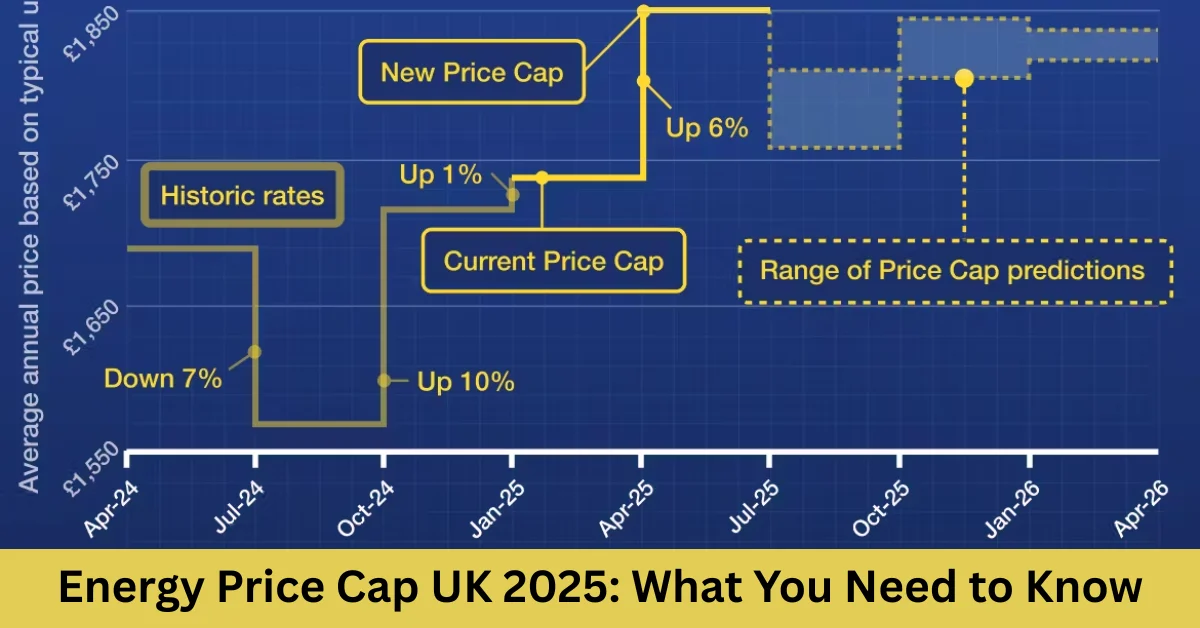
The future of the Energy Price Cap UK is poised for significant evolution. As energy markets fluctuate, regulatory bodies are closely monitoring price trends and consumer needs.
Anticipated adjustments might reflect changes in wholesale energy costs, ensuring that consumers benefit from fair pricing while suppliers remain viable. The introduction of more dynamic cap reviews could become a reality, allowing quicker responses to market shifts.
Moreover, as renewable energy sources gain traction, we may see new strategies integrated into the price cap framework. This could lead to incentives for greener practices among consumers and suppliers alike.
Consumer advocacy groups continue pushing for transparency in how these caps are determined. They argue that clearer criteria will empower households to make informed choices about their energy providers and usage habits moving forward.
Tips for Consumers to Save on Energy Costs with or without the Price Cap
Reducing energy costs is essential, especially with the fluctuating Energy Price Cap. Start by auditing your energy usage. Identify appliances that consume more power and consider switching to energy-efficient alternatives.
Utilize smart technology where possible. Smart thermostats can optimize heating schedules, while smart plugs help monitor and control energy consumption from any device.
Don’t forget about your home’s insulation. Properly insulated walls, roofs, and windows can dramatically cut down on heating needs in winter and cooling demands in summer.
Consider time-of-use tariffs if available. You might save significantly by using heavy appliances during off-peak hours when rates are lower.
Stay informed about government schemes or local grants aimed at improving home efficiency; these initiatives often provide financial support for upgrades that lead to long-term savings.
Conclusion
The Energy Price Cap is a vital part of the UK’s energy landscape, especially as we look ahead to 2025. Designed to protect consumers from excessive charges, it plays an essential role in ensuring fair pricing for households across the nation. However, it’s not without its challenges and criticisms.
As energy suppliers navigate this evolving market, they face pressures that could impact their sustainability and competitiveness. Consumers must stay informed about these dynamics while also exploring ways to manage their energy usage effectively.
Understanding how the Energy Price Cap works empowers individuals to make better choices regarding their energy consumption. With potential changes on the horizon, staying proactive about your energy needs has never been more important.
Whether you’re directly impacted by price caps or simply looking for ways to cut costs on your bills, being savvy about your options will lead you toward achieving greater financial stability in an unpredictable market.

Susana is a creative writer at The Internet Chicks, covering everything from technology and business to celebrity biographies, net worth, lifestyle, and sports. She loves turning facts into stories that inform, inspire, and entertain readers.