Jaw discomfort, facial imbalance, and chronic TMJ problems are often treated first with conservative methods such as splints, orthodontics, medication, or physical therapy. For many patients, these approaches can provide relief. However, in certain complex cases the underlying problem is structural, meaning the bones and joints of the face are not functioning together properly.
When structural problems develop in the jaw or temporomandibular joint (TMJ), symptoms may persist despite multiple treatments. Understanding how these conditions arise—and why specialized surgical care is sometimes necessary—can help patients better navigate the path toward long-term recovery.
The Jaw as a Functional System
The jaw is part of an interconnected system that includes:
- The upper jaw (maxilla)
- The lower jaw (mandible)
- The temporomandibular joints (TMJs)
- Facial muscles and ligaments
- Teeth alignment (occlusion)
- Airway structures
These components must work together smoothly to allow normal activities such as chewing, speaking, swallowing, and breathing. If one element becomes unstable, the rest of the system often compensates, which can lead to pain or dysfunction.
For example, a change in jaw alignment can place excessive pressure on the TMJ. Over time, this stress may lead to joint damage, inflammation, or degeneration.
When Jaw Problems Become Chronic
Early symptoms of jaw disorders often include:
- Clicking or popping in the jaw joint
- Mild facial pain or tenderness
- Jaw stiffness when opening the mouth
- Headaches or tension around the temples
While these signs may seem minor, they can progress if the underlying structural issue is not addressed. In more advanced stages, patients may experience:
- Difficulty chewing
- Locking of the jaw
- Facial asymmetry
- Severe TMJ pain
- Progressive bite changes
When these symptoms continue for long periods, they can significantly impact daily life.
Structural Causes of Jaw Dysfunction
Several conditions can lead to complex jaw problems, including:
TMJ Degeneration
The cartilage and disc inside the temporomandibular joint can deteriorate over time. When this occurs, movement becomes painful and unstable.
Jaw Misalignment
In some individuals, the upper and lower jaws do not align correctly. This skeletal imbalance may cause uneven pressure on the joints and muscles.
Previous Jaw Surgery Complications
Occasionally, patients who have had earlier jaw procedures may require revision treatment if the initial surgery did not fully resolve the problem.
Craniofacial Deformities
Certain structural differences present from birth can affect facial balance and jaw function.
Each of these situations requires careful diagnosis before treatment decisions are made.
The Role of Corrective Jaw Surgery
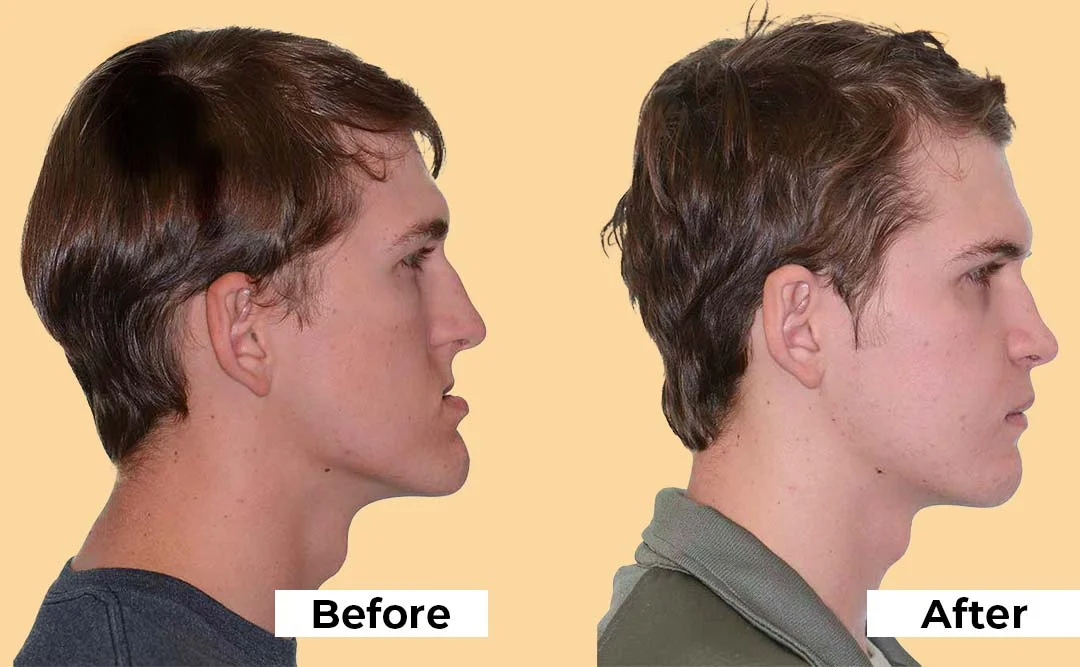
When conservative treatments fail to resolve structural problems, orthognathic surgery—commonly called corrective jaw surgery—may be recommended. This procedure repositions the jaws so that the bones, teeth, and joints work together more efficiently.
Corrective jaw surgery can help address:
- Severe bite misalignment
- Chronic TMJ disorders
- Facial asymmetry
- Airway obstruction contributing to sleep apnea
The goal is not simply to change appearance but to restore functional harmony in the jaw system.
Why TMJ Disorders Are Often Misunderstood
TMJ disorders are frequently misunderstood because their symptoms overlap with other conditions. Patients may initially believe they are experiencing:
- ear problems
- sinus pressure
- migraines
- dental sensitivity
However, the TMJ sits directly next to the ear canal and is closely connected with facial nerves and muscles. When the joint becomes inflamed or unstable, pain can radiate throughout the face and head.
This complexity makes proper diagnosis critical in determining the most appropriate treatment.
Airway Health and Jaw Position
Another important factor in jaw surgery planning is airway health. In some individuals, the position of the jaws affects the size of the airway behind the tongue. If the airway becomes too narrow, it may contribute to obstructive sleep apnea.
Corrective jaw surgery can sometimes enlarge the airway by repositioning the jaws forward, improving breathing during sleep.
Patients who suffer from sleep apnea may notice symptoms such as:
- loud snoring
- daytime fatigue
- morning headaches
- poor sleep quality
Addressing structural jaw problems can play a role in improving these symptoms.
Choosing the Right Expertise
Because jaw surgery involves the facial bones, joints, muscles, and airway, it requires highly specialized training. Oral and maxillofacial surgeons undergo extensive education in both dentistry and surgery to treat these complex conditions.
Patients dealing with severe TMJ disorders, revision jaw procedures, or complex facial structural problems often seek consultation with an experienced Jaw Surgeon Dallas who focuses on advanced maxillofacial procedures and treatment planning.
Long-Term Benefits of Structural Correction
When jaw surgery successfully restores proper alignment and joint function, many patients report improvements in areas such as:
- chewing efficiency
- facial comfort
- speech clarity
- breathing and sleep quality
- overall quality of life
While recovery requires patience and proper post-surgical care, the long-term functional improvements can be significant.
Final Thoughts
The jaw plays a crucial role in many essential daily functions. When structural problems disrupt this system, symptoms can affect far more than just the mouth. Chronic pain, difficulty chewing, and sleep disturbances can all stem from underlying jaw and joint conditions.
Recognizing the importance of proper diagnosis and specialized care is key to resolving complex jaw disorders. With modern advances in surgical techniques and diagnostic tools, patients with severe jaw problems have more treatment options than ever before for restoring comfort and function.

Bit Labs Author is a multi-niche digital expert who creates sharp, high-impact content across Tech, Digital Marketing, Business, Law, News, and Lifestyle. Known for blending research with creativity, they transform complex topics into clear, engaging insights that empower readers to learn, grow, and stay ahead in the digital age.