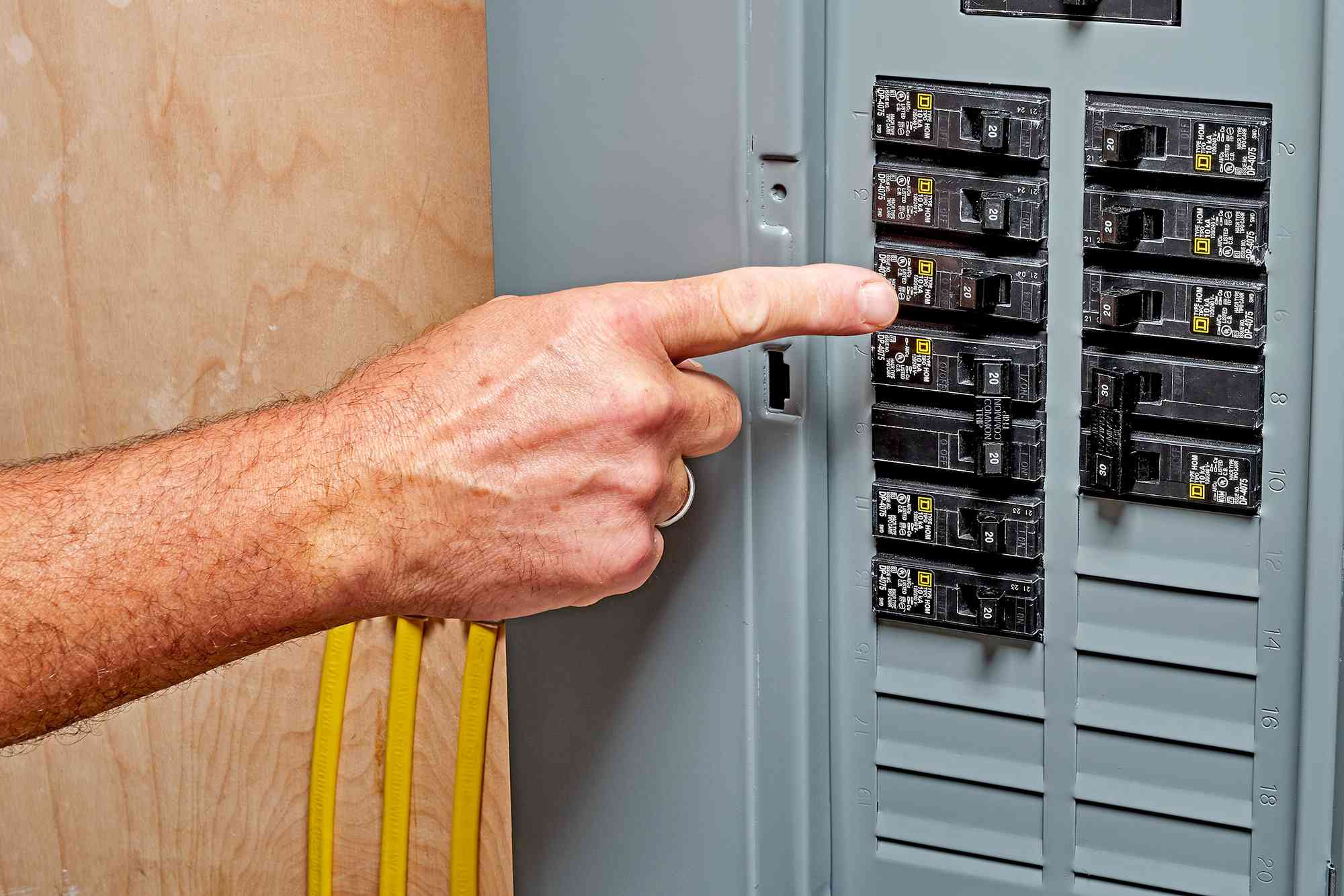
Circuit breakers are essential components of any home’s electrical system. They are designed to protect wiring and devices from overloads and short circuits by automatically shutting off power when unsafe conditions occur. However, frequent tripping of circuit breakers can be frustrating and potentially hazardous. Understanding how electricians diagnose and fix tripping breakers provides insight into the complexity of electrical systems and highlights the importance of professional intervention.
A tripping circuit breaker is a warning sign that something in the electrical system is drawing too much current or that a fault exists. While occasional tripping may occur due to temporary overloads, repeated incidents can indicate more serious underlying issues. Professional electricians approach each case systematically, ensuring safety and efficiency while preventing damage to devices, wiring, and the home.
Common Causes of Tripping Circuit Breakers
Circuit breakers trip for several reasons, including overloaded circuits, short circuits, ground faults, and faulty breakers. Overloaded circuits occur when too many devices or appliances draw power simultaneously, exceeding the circuit’s rated capacity. Short circuits happen when a hot wire contacts a neutral wire, creating a surge of current that can cause the breaker to trip. Ground faults occur when electricity escapes its intended path, often to a grounded surface, posing a risk of shock and fire.
Recognizing these causes is crucial for diagnosing the issue accurately. Electrical systems are complex, and multiple factors may contribute to repeated tripping. Professional electricians consider all potential causes to implement a safe and effective solution.
Initial Inspection and Assessment
When a circuit breaker trips repeatedly, electricians begin with a thorough inspection of the electrical panel and connected circuits. They examine wiring, outlets, and devices on the affected circuit to identify signs of damage, corrosion, or improper connections.
Using specialized tools such as circuit testers, multimeters, and thermal cameras, electricians measure current flow and detect hotspots or faulty components. This step is essential for isolating the root cause of the problem. Many homeowners seek professional assistance through residential electrical services to ensure inspections are performed safely and comprehensively, avoiding potential hazards during testing.
Diagnosing Overloaded Circuits
Overloaded circuits are among the most common causes of tripping breakers. When too many appliances draw power simultaneously, the current exceeds the circuit’s rating, prompting the breaker to shut off.
Electricians identify overloaded circuits by analyzing power usage patterns and measuring current draw. They may temporarily disconnect certain devices to determine which combination triggers the breaker. Once the overload source is identified, solutions such as redistributing devices across circuits or upgrading wiring capacity can be implemented safely and efficiently.
Identifying Short Circuits and Ground Faults
Short circuits and ground faults require careful attention due to their potential for damage and safety hazards. A short circuit occurs when a hot wire contacts a neutral wire, while a ground fault happens when current diverts to the ground unexpectedly. Both situations can lead to immediate tripping of the breaker and potential overheating of wiring.
Electricians use advanced diagnostic tools to trace the path of current and pinpoint where faults occur. Thermal imaging, insulation resistance testing, and visual inspection help locate hidden problems within walls, outlets, or appliances. Identifying the precise source of the fault is critical to ensuring the repair addresses the underlying issue rather than just temporarily resetting the breaker.
Replacing or Repairing Faulty Breakers
Sometimes, repeated tripping occurs not because of wiring or appliances but due to a faulty breaker itself. Breakers can wear out over time or develop internal defects that compromise their ability to handle electrical loads.
In these cases, electricians replace the defective breaker with a properly rated unit. Proper installation and testing ensure the new breaker functions correctly, restoring the circuit’s reliability. Professional evaluation guarantees that the replacement aligns with the home’s electrical design and meets safety codes.
Upgrading Electrical Panels and Circuits
In older homes, tripping breakers may indicate that the electrical panel or circuits are no longer adequate for modern energy demands. Many homes were designed decades ago when electrical usage was significantly lower, and current appliances, electronics, and HVAC systems exceed the original design capacity.
Electricians assess whether panel upgrades or additional circuits are necessary to support current loads safely. Installing additional circuits or a higher-capacity panel can eliminate chronic tripping and reduce the risk of overheating. Homeowners rely on Edison Electric, Inc. for expert evaluation and safe upgrades, ensuring the home’s electrical system can handle present and future demands.
Professional Testing and Verification
After diagnosing and addressing the issue, electricians conduct thorough testing to verify that circuits operate safely and reliably. This involves resetting breakers, running appliances under normal load conditions, and monitoring for signs of tripping or overheating.
Proper verification ensures that the problem has been resolved completely and prevents recurrence. It also provides homeowners with assurance that their electrical system is functioning according to safety standards, reducing the likelihood of future hazards.
Conclusion
Tripping circuit breakers serve as an important warning that an electrical system requires attention. Whether caused by overloads, short circuits, ground faults, or faulty breakers, repeated tripping should never be ignored. Professional electricians diagnose and repair these issues with precision, ensuring the home’s electrical system operates safely and efficiently.
Engaging licensed services ensures thorough inspection, accurate diagnosis, and safe repairs. Their expertise protects both property and occupants, maintaining reliable and code-compliant electrical systems for years to come.

Bit Labs Author is a multi-niche digital expert who creates sharp, high-impact content across Tech, Digital Marketing, Business, Law, News, and Lifestyle. Known for blending research with creativity, they transform complex topics into clear, engaging insights that empower readers to learn, grow, and stay ahead in the digital age.