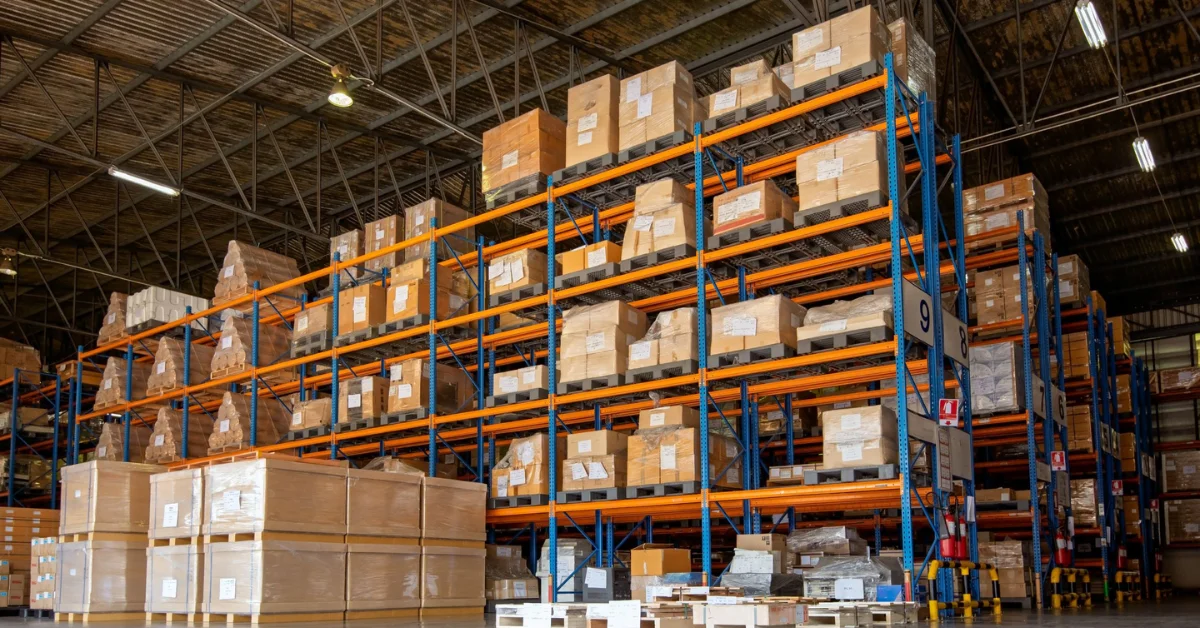
If your business involves moving physical products, packaging pallets are an essential part of the job. But they’re more than just platforms for boxes. The way you use pallets can shape your entire operation, from how safely your team works to how quickly you can expand.
What starts as a small decision in the warehouse often turns into a critical lever for growth. You might not think about them much, but the right pallet choices can help you protect your goods, improve efficiency, and reduce your environmental impact all at once. That’s a strong return from something so practical.
So, if you’re scaling up, or planning to, here’s why pallets deserve a closer look.
What Are Packaging Pallets?
Pallets are flat, durable platforms used to support goods during storage and transport. They’re designed to work with forklifts and pallet jacks, making it easier to move heavy loads without manual strain. You’ll find them in almost every industry, made from materials like wood, plastic, metal, or cardboard, each serving different handling needs.
More than just a base, pallets bring structure to your operations. They protect goods, speed up loading, and make stacking more efficient. When used consistently, they simplify warehouse layouts, reduce product damage, and cut handling time across the board.
Packaging pallets, in particular, are often designed to complement your packaged goods. They’re sometimes smaller, lighter, or more specialised than general-use pallets. They fit better with product boxes, shelf-ready units, or modular displays. Compared to standard warehouse pallets, packaging pallets may be tailored to match your goods more closely, helping with both protection and presentation as you scale.
Enhancing Safety With the Right Pallet System
Manual handling risks rise quickly as volume increases. When your team lifts, twists, or stacks awkward loads throughout the day, injuries become more likely. Pallets reduce that risk by shifting the effort to mechanical handling, which protects your people and improves consistency.
They also improve load stability. When goods sit on a solid base, they’re easier to secure and less likely to shift in transit. Many businesses use plastic wrap to tightly secure items to pallets, reducing the chance of accidents caused by loose loads. You’ll spend less time restacking fallen items and more time moving stock efficiently.
Problems often appear when pallets don’t work well with forklifts or warehouse equipment. Poor fit leads to instability and safety issues. To avoid that, consider working with manufacturers like Challenger Pallet that focus on precise sizing and equipment compatibility. Their approach helps reduce risks and keeps operations safe as volumes increase.
In industries like chemicals or defence, fire regulations also influence pallet choice. While not common across all sectors, some facilities opt for fire-retardant pallets to minimise fire risks in storage areas. This extra precaution supports compliance in high-risk environments.
Supporting Scalability Through Standardisation
Growth puts pressure on every part of your supply chain. If pallet sizes, materials, or quality vary, small inefficiencies turn into major slowdowns. Standardised pallets remove friction and help your warehouse run at pace.
- Faster processes: When pallets are consistent, workflows become repeatable. Teams move quicker, equipment runs smoother, and planning takes less effort.
- Broader logistics integration: Standard sizes align with other systems across transport, warehousing, and distribution. This keeps goods flowing without custom handling at each step.
- Greater flexibility: Pallets that match common industry formats work seamlessly with third-party logistics providers and fulfilment centres. That compatibility keeps you agile as volumes shift.
- Automation-ready: Warehouses using automated storage and retrieval systems (AS/RS) rely on precise pallet sizing. A consistent design ensures accurate placement and smooth movement through automated processes.
Get the pallet spec right, and the rest falls into place. It’s a quiet fix with a big impact.
Promoting Sustainability Without Sacrificing Speed
Sustainability and efficiency no longer compete. Today’s pallet options prove you can have both. Businesses are moving towards recycled pallets and responsibly sourced materials that deliver strength without unnecessary waste.
Reusable systems make a clear difference. Instead of disposing of pallets after a single use, you keep them in circulation. This reduces landfill waste and lowers the demand for raw materials. Over time, it also cuts costs.
When pallets are designed as part of reusable packaging solutions, they support long-term environmental goals while keeping operations fast and reliable. You reduce emissions, simplify recovery, and maintain performance at scale.
Some businesses also take things a step further by integrating pallets into circular supply chain models. This includes pallet pooling, repair programmes, and vendor take-back systems. These models support a sustainable operation without requiring major changes to daily processes.
Boosting Efficiency With Smart Pallets
Technology is changing how pallets support growth. Smart pallets use tracking tools to improve visibility across the supply chain. You can see where goods are, how long they stay in one place, and where delays occur.
- Faster issue resolution: Real-time tracking lets you act quickly when something stalls or goes missing. You stay ahead of problems before they affect customers.
- Less waste, lower costs: Monitoring pallet use helps you avoid over-ordering and improves recovery. You spend less and waste less.
- Smarter planning: Data from smart pallets feeds directly into forecasting and inventory tools. That helps you keep stock levels in check without overloading storage.
- Predictable performance: Clear insights into movement and dwell times reduce guesswork. You get more consistent, dependable operations.
Smart pallets give you more control, more accuracy, and fewer delays. That’s a win across every part of your supply chain.
Choosing Cost-Effective Pallet Options
Poor pallet quality often leads to hidden costs. Damaged goods, customer complaints, and repeat shipments all eat into margins. Investing in pallets that hold up under pressure helps avoid those losses.
When pallets are built to last, they form part of a durable packaging solution that protects goods throughout storage and transport. This is especially important when shipping fragile or high-value items at scale.
If ownership feels restrictive, pallet pooling or rental models offer flexibility. You get access to reliable pallets without the burden of storage or maintenance. This approach suits fast-growing businesses that need to stay agile and want to scale without locking up capital.
Matching Pallets to Industry-Specific Needs
Different sectors come with different pallet requirements. Choosing the right fit helps improve handling, protect goods, and stay compliant.
- Retail and e-commerce: Speed and efficiency are key. A lightweight pallet reduces handling effort and cuts transport costs without compromising load strength.
- Food and beverage: Hygiene matters. Plastic pallets are easier to sanitise and don’t absorb moisture, helping you meet safety standards and avoid contamination.
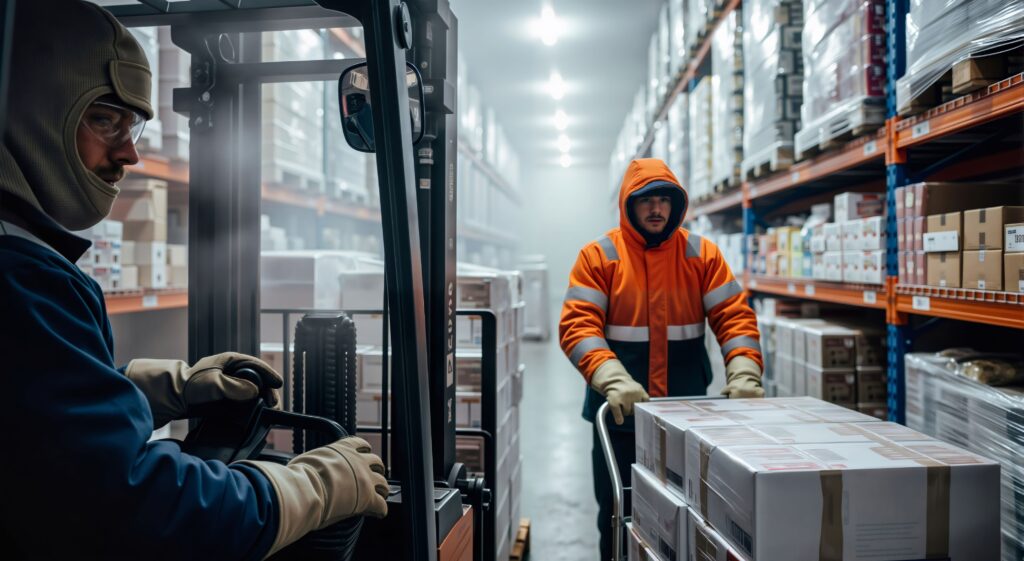
- Pharmaceuticals and electronics: Cold chain and static-sensitive products require specialised pallets. Here, compliance, performance, and protection must work together.
- Automotive and cosmetics: Some industries need tailored designs. Automotive goods call for heavy-duty wood, while beauty brands benefit from modular pallets that suit shelf-ready displays. This is where custom pallets add real value.
The right pallet fit helps you handle goods safely and efficiently, no matter the industry.
Making Compliance Work for Growth
Pallet compliance matters more than many businesses realise. For international shipping, wooden pallets must meet ISPM 15, a global standard that requires wood to be heat-treated or fumigated to prevent the spread of pests. It applies in both the UK and the US, and failure to comply can lead to delays, fines, or refused entry at borders.
Beyond treatment rules, pallets also support broader export compliance. Choosing approved materials and certified designs helps you meet international shipping requirements and avoid regulatory setbacks.
Sustainability certifications add further credibility. Look for the Forest Stewardship Council (FSC) label, which confirms that the wood used in your pallets comes from responsibly managed forests. This supports your environmental commitments while keeping you aligned with international expectations.
To stay compliant and future-ready, it’s smart to work with pallet suppliers who can provide the right documentation, track sustainability impact, and align with your regulatory needs from the start.
Building a Future-Ready Pallet Strategy
Scaling successfully means thinking ahead. As your operation expands, so does the complexity of your logistics. More stock-keeping units, faster turnaround times, and shifting storage demands all put added pressure on your pallet system.
Instead of relying on fixed solutions, look at how your pallets can support change. That could mean using automation-ready designs, switching materials to meet sustainability targets, or adopting formats that simplify handling. Custom pallets can also offer gains when your products need a better fit or added protection.
Reusable packaging solutions continue to gain ground, helping businesses reduce waste while building supply chains that are easier to manage. When supported by pooling programmes, tracking tools, or recovery services, they offer flexibility and better resource use.
Start with one site or product line. Monitor the results, involve your suppliers, and make adjustments based on real data. A pallet system that evolves with your business gives you more control, not more complexity.
Conclusion
Pallets rarely get attention, yet they carry the weight of your operations every day. They influence how safely your team works, how efficiently goods move, and how sustainably your business grows.
As your operation scales, these choices become harder to ignore. The type of pallet you use, how it fits into your systems, and how well it aligns with your packaging and logistics all affect performance across the board.
With a well-planned pallet system, you move smarter, protect your products, and stay ready for whatever comes next.

Bit Labs Author is a multi-niche digital expert who creates sharp, high-impact content across Tech, Digital Marketing, Business, Law, News, and Lifestyle. Known for blending research with creativity, they transform complex topics into clear, engaging insights that empower readers to learn, grow, and stay ahead in the digital age.