Poor indoor air quality linked to pet ownership is more than a comfort issue. Airborne allergens from animal dander, dried saliva, and microscopic debris can aggravate asthma, worsen allergies, and reduce overall well-being over time. Pets, too, can suffer when the air they breathe is laden with dust and pollutants.
Pet air purifiers offer a targeted way to address these challenges at the source. Unlike standard air purifiers, models designed for pet households combine specialized filtration technologies to capture allergens, neutralize odors, and continuously cycle cleaner air through your living space. This article breaks down how these devices work, what to look for when choosing one, and how to keep it running at peak performance for lasting results.
Understanding the Need for Pet Air Purifiers
Living with pets means sharing your home with a constant stream of invisible pollutants. Every time your dog shakes or your cat grooms itself, tiny particles become airborne — pet dander (microscopic flecks of skin), dried saliva proteins, fur fragments, and tracked-in dust all circulate through your indoor air. These particles are lightweight enough to stay suspended for hours, meaning every breath you take in a pet-friendly home likely contains some level of these contaminants. Add in litter box emissions, pet bedding odors, and the occasional accident, and the air quality challenge becomes significant.
 For pet owners with allergies or asthma, this isn’t just uncomfortable — it can be genuinely harmful. Prolonged exposure to airborne allergens triggers immune responses that range from chronic sneezing and watery eyes to more serious respiratory inflammation. Children and elderly family members are particularly vulnerable. What surprises many owners, however, is that pets themselves suffer too. Dogs and cats have sensitive respiratory systems, and breathing air loaded with dust, mold spores, and chemical pollutants can contribute to feline asthma, canine bronchitis, and general immune stress over time.
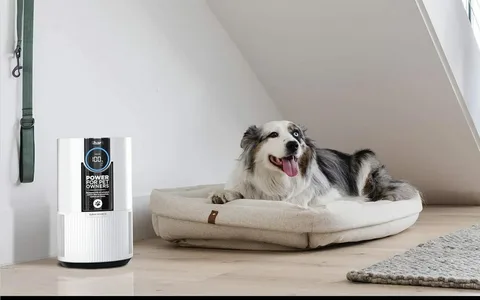
Air purifiers designed specifically for pet households address these concerns by actively filtering the air rather than simply masking problems. Running continuously in the rooms where pets spend the most time, they reduce the concentration of airborne allergens and odors before those particles settle on surfaces or enter your lungs. The result is a measurably cleaner environment that supports the health of every member of your household — four-legged ones included.
Key Components: HEPA and Carbon Filters in Pet Air Purifiers
Most air purifiers on the market share a basic design, but models built for pet households rely on two core filtration technologies working in tandem: HEPA filters and activated carbon filters. Each targets a different category of airborne problem, and together they form a comprehensive defense against the full range of pollutants that pets introduce into your home. Understanding what each filter does — and why both matter — helps you evaluate whether a purifier will genuinely deliver cleaner air or simply move it around.
How HEPA Filters Enhance Air Quality
HEPA stands for High-Efficiency Particulate Air, and the standard is precise: a true HEPA filter must capture at least 99.97% of airborne particles as small as 0.3 microns. To put that in perspective, pet dander typically ranges from 2.5 to 10 microns — well within HEPA’s capture range. As air is drawn through the dense, fibrous mesh of the filter, particles become trapped through a combination of interception, impaction, and diffusion. The result is that allergens like dander, dried saliva proteins, and fur fragments are physically removed from circulation rather than redistributed. For households where allergy sufferers live alongside pets, this mechanical removal is far more effective than ionic or UV-based alternatives, which may leave particles suspended or produce harmful byproducts. Look for filters labeled “True HEPA” to ensure they meet the verified standard rather than marketing terms like “HEPA-type” or “HEPA-style,” which carry no guaranteed efficiency rating.
The Role of Carbon Filters in Odor Control
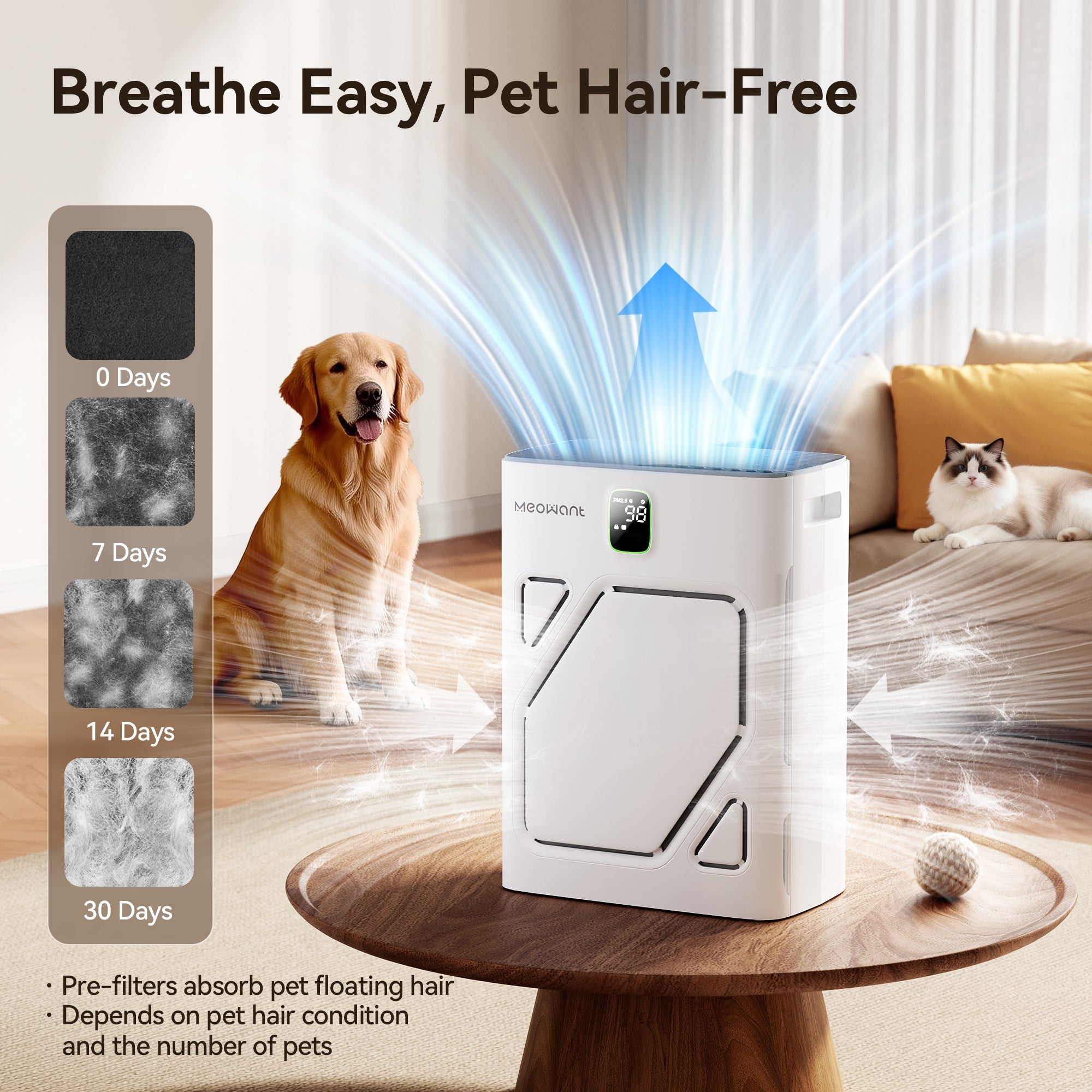
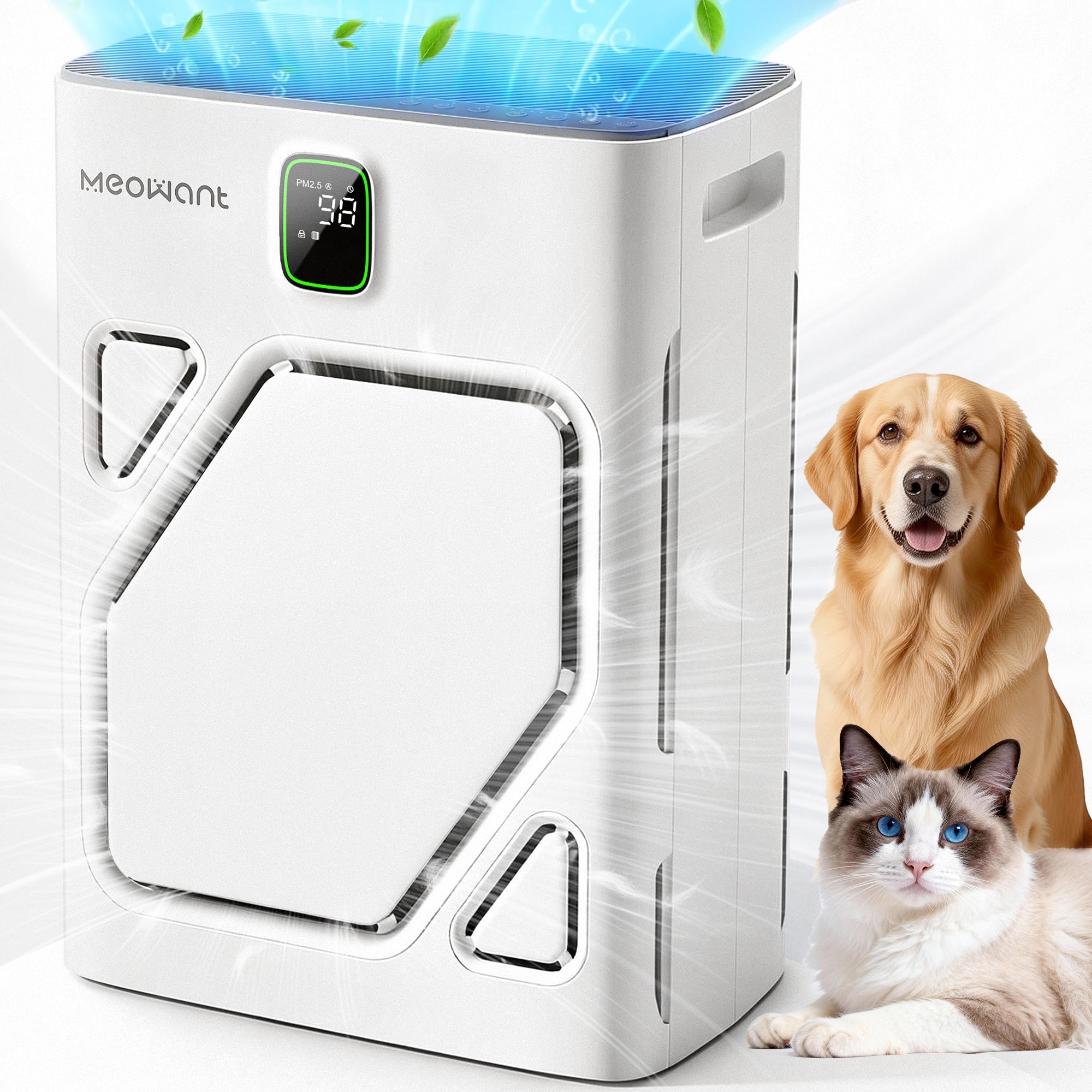
While HEPA handles particles, activated carbon filters address what you smell. Carbon filtration works through adsorption — a process where odor-causing molecules and volatile organic compounds (VOCs) bond chemically to the porous surface of activated carbon granules. This is particularly valuable in pet households where litter box ammonia, accident odors, wet fur, and general pet musk can permeate upholstered furniture and linger in the air. A thicker carbon layer with more granules provides greater surface area and longer-lasting odor control, so weight and carbon volume matter when comparing models. Some purifiers, including options from pet-focused brands like Meowant, combine the carbon layer with a pre-filter that catches larger fur and debris before it reaches the HEPA stage, extending the life of both filters. Together, HEPA and carbon filtration don’t just mask odors or temporarily reduce particle counts — they systematically strip the air of the specific contaminants that make pet-heavy homes feel stuffy and trigger health responses.
How to Choose a Safe Air Purifier for Pets
Selecting the right air purifier for a pet household involves more than picking the most expensive model on the shelf. The wrong choice can mean inadequate coverage, excessive noise that disturbs your animals, or worse — a device that emits ozone, which is harmful to both pets and people. Focusing on a few critical specifications will help you find a purifier that genuinely performs in real-world pet conditions rather than just looking good on paper.
Essential Features for Pet Owners
Start with CADR — Clean Air Delivery Rate — which measures how quickly a purifier cleans the air in a given space, expressed in cubic feet per minute for dust, pollen, and smoke. For pet households, prioritize the dust CADR rating, and choose a unit rated for a room size at least 20% larger than your actual space to account for the higher-than-average particle load pets generate. Filter quality matters just as much: confirm the unit uses a true HEPA filter paired with a substantial activated carbon layer, not thin carbon-coated foam that exhausts quickly. Energy Star certification signals efficient power consumption for a device running 24 hours a day, while CARB (California Air Resources Board) compliance confirms the unit meets strict emissions standards. Noise level is another practical factor — look for models with a quiet sleep mode below 30 decibels so continuous operation doesn’t stress noise-sensitive pets or disrupt your household.
Safety Tips and Certifications
Ozone-generating purifiers — including many ionizers and UV-C models — should be avoided entirely in pet homes. Even low ozone concentrations can irritate a cat’s or dog’s respiratory tract far more severely than they affect humans, given how close pets stay to the floor where ozone accumulates. Stick to mechanical filtration systems that carry explicit ozone-free labeling or CARB certification, which enforces ozone emission limits. If you have curious pets or young children, look for units with a stable, tip-resistant base and no exposed intake grilles that small paws can reach. Some models include a physical lock on control panels to prevent accidental setting changes. Placing the purifier on a stable surface away from water bowls and litter box splash zones also extends its lifespan and reduces electrical hazards.
Maintaining Your Purifier: Filter Replacement Schedules
Even the best air purifier becomes ineffective when its filters are overdue for replacement. In pet households, filters work harder than in standard environments — they’re continuously capturing dander, fur, and odor molecules at a higher rate than manufacturers’ baseline assumptions account for. Staying on top of filter maintenance isn’t just about performance; a clogged filter forces the motor to work harder, shortens the unit’s lifespan, and can actually reduce airflow to the point where air quality worsens rather than improves.
Signs Your Filter Needs Replacement
The most obvious indicator is reduced airflow — if you hold your hand near the output vent and notice noticeably weaker air movement than when the unit was new, the filter is likely saturated. Persistent odors that the purifier previously controlled are another clear signal; once the activated carbon layer reaches its adsorption capacity, it stops bonding with new odor molecules and may even begin releasing previously captured compounds. Visible dirt accumulation on the pre-filter or a grayish discoloration on the HEPA layer also indicates it’s time to act. Most modern purifiers include a filter indicator light, but treat this as a minimum guideline rather than a strict schedule — in homes with multiple pets or high shedding seasons, filters can exhaust faster than the timer accounts for.
Step-by-Step Filter Maintenance Guide
Start by checking your pre-filter every two to four weeks. This outermost layer catches large fur and debris, and vacuuming it gently with a brush attachment extends the life of the HEPA and carbon filters behind it. For HEPA filters, plan for full replacement every six to eight months in active pet households rather than the standard twelve-month recommendation. Carbon filters typically need replacement every three to six months depending on odor intensity and the number of pets in your home. When replacing filters, power off the unit and unplug it before opening the housing. Seal used filters in a plastic bag before disposal to prevent releasing trapped allergens back into the air. Finally, set a recurring reminder on your phone tied to your pet’s heaviest shedding seasons — spring and fall — to inspect filters proactively rather than waiting for performance to visibly decline.
The Positive Impact on Air Quality and Pet Health
Running a quality pet air purifier consistently transforms more than just the smell of a room — it creates a measurable shift in the health and comfort of everyone living under your roof. By continuously removing airborne allergens, dander, and odor-causing compounds, these devices reduce the cumulative allergen load that builds up over days and weeks of normal pet activity. Allergy sufferers often notice fewer morning symptoms, less frequent sneezing, and clearer breathing within the first few weeks of consistent use. For pets themselves, cleaner air means less respiratory irritation, reduced risk of chronic conditions like feline asthma, and a living environment that supports rather than strains their immune systems.
The benefits compound over time. Unlike surface cleaning, which only addresses settled particles, an air purifier works around the clock to intercept contaminants before they land or enter your airways. Pairing high filter efficiency with proper maintenance schedules ensures that performance doesn’t degrade quietly in the background. The investment pays off not just in comfort but in long-term respiratory health for every member of your household — human and animal alike. Consistent use, rather than occasional operation, is what delivers lasting results and keeps indoor air quality reliably improved season after season.
Cleaner Air, Healthier Home: Making the Right Choice for You and Your Pets
Breathing cleaner air in a pet-friendly home isn’t a luxury — it’s an achievable goal with the right tools and habits in place. A quality air purifier equipped with a true HEPA filter and a substantial activated carbon layer addresses the two most persistent challenges pet owners face: airborne allergens and stubborn odors. These aren’t temporary fixes but ongoing systems that work around the clock to keep contaminant levels consistently low.
The key takeaways are straightforward. Choose a purifier sized appropriately for your space, verified ozone-free, and rated for the particle load that pets actually generate. Stick to a realistic filter replacement schedule — one that accounts for shedding seasons and the number of animals in your home rather than relying solely on manufacturer timelines. And run the unit continuously rather than intermittently, since consistent operation is what keeps allergen concentrations from rebounding.
Take a moment to assess your home honestly: which rooms do your pets occupy most, where do odors concentrate, and how long has it been since you last checked your current purifier’s filters? Answering those questions points directly toward the changes that will deliver the biggest improvement. Investing in the right pet air purifier — and maintaining it properly — is one of the most practical steps you can take for the long-term health and comfort of your entire household.