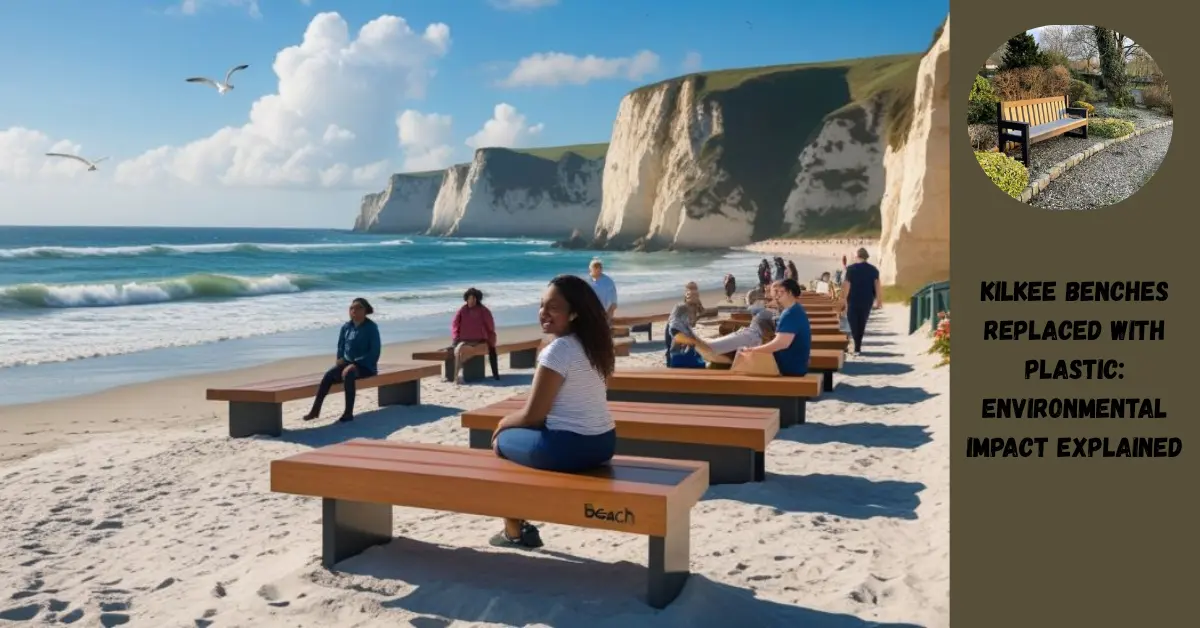
Introduction to the Issue
Kilkee, a charming coastal town in County Clare, is known for its stunning cliffs and picturesque beaches. But recently, it has found itself at the center of a heated debate. The iconic wooden benches that have graced this seaside haven for years are being replaced with plastic alternatives. This decision has sparked conversations about more than just aesthetics; it’s igniting discussions around sustainability, community values, and what it means to care for our environment.
As locals express their concerns and environmentalists weigh in on the implications of such a change, one can’t help but wonder: What does replacing Kilkee benches with plastic really mean? Are we taking a step forward or backward in our quest to protect this beautiful planet? Let’s dive deeper into the history behind these beloved benches and explore the factors influencing this significant transformation.
The History of Kilkee Benches
Kilkee, a picturesque seaside town in County Clare, has long been known for its stunning views and vibrant community life. The benches scattered throughout the area serve as gathering spots for locals and visitors alike.
These benches date back several decades. Initially crafted from sturdy timber, they reflected the charm of traditional craftsmanship. Their rustic design blended harmoniously with Kilkee’s natural beauty.
Over time, these wooden structures became symbols of relaxation and connection. Families gathered to enjoy picnics while children played nearby. Tourists often paused to soak in panoramic ocean vistas.
As seasons changed, so did the condition of the benches. Wear and tear took their toll on many beloved spots throughout town. This gradual decline raised questions about sustainability and maintenance within the community’s infrastructure.
The Decision to Replace the Benches with Plastic
The recent decision to replace Kilkee’s historic wooden benches with plastic alternatives stirred quite a discussion. Local authorities cited durability and maintenance as key reasons behind this shift.
Wooden benches often succumb to weathering, requiring regular upkeep that can strain budgets. Plastic, on the other hand, promises longevity without the same level of care.
Yet, this choice has not gone unnoticed by residents who cherish the town’s traditional aesthetic. The new plastic benches lack character and warmth compared to their wooden predecessors.
Many locals feel that while practicality is important, it shouldn’t come at the expense of community heritage. They argue that preserving the charm of Kilkee should be a priority when making such significant changes.
Debates around functionality versus aesthetics are common in many communities facing similar decisions. In Kilkee, however, this debate feels particularly personal for those who have long enjoyed sitting on its beloved benches along the coast.
Environmental Impact of Plastic Benches
Plastic benches, while durable and cost-effective, come with significant environmental concerns. Their production typically involves petroleum-based materials, which contribute to carbon emissions and resource depletion.
Once discarded, plastic does not decompose easily. Instead, it can linger in landfills for centuries. Additionally, many plastics break down into microplastics that pollute waterways and harm marine life.
Another issue is the energy-intensive recycling process required for plastic products. Often only a fraction of these items get recycled effectively. This inefficiency leads to even more waste and environmental degradation.
Moreover, manufacturing new plastic benches perpetuates a cycle of reliance on fossil fuels. Communities increasingly face pressure to find sustainable alternatives that minimize ecological footprints without sacrificing functionality or aesthetics.
Alternative Solutions and Their Pros and Cons
When considering alternatives to plastic benches, wood emerges as a popular choice. It offers natural aesthetics and comfort. However, it requires maintenance and can be susceptible to weather damage.
Metal benches are another option. They boast durability and longevity. Yet, they can become hot in the sun and may rust over time if not treated properly.
Recycled materials gain traction too. These eco-friendly options reduce waste while providing similar benefits to traditional plastics. On the downside, their design might not always appeal aesthetically or feel as comfortable for users.
Concrete structures provide unmatched stability but lack flexibility in design and can be cumbersome to transport or relocate. Each alternative presents its own unique set of advantages and challenges that communities must weigh carefully when seeking sustainable solutions.
Community Reactions and Petitions Against Plastic Benches
The transition to plastic benches in Kilkee has sparked a wave of community responses. Many residents express concern about the sustainability and aesthetics of these new additions. Traditional wooden benches had become an integral part of the town’s charm, evoking memories and encouraging gatherings.
Local advocates have initiated petitions to voice their discontent. They argue that replacing wooden furniture with plastic undermines efforts toward environmental stewardship. Signatures accumulate quickly, showcasing a strong collective sentiment against the change.
Social media platforms buzz with debates. Some residents support the decision for practicality and maintenance ease, while others lament the loss of character in public spaces. Community forums serve as a battleground for differing opinions, reflecting deep-seated values regarding heritage versus modernity.
Town meetings are often packed as concerned citizens take turns vocalizing their thoughts on this pressing issue affecting their beloved coastal environment. Each discussion adds layers to an ongoing dialogue about what it means to preserve local identity amidst evolving solutions.
Conclusion: What Can We Learn from This Situation?
The situation surrounding the Kilkee benches serves as a reminder of the complexities involved in community decisions. Each choice carries implications that extend beyond immediate benefits. The shift to plastic benches highlights a broader conversation about sustainability and environmental responsibility.
As communities face aging infrastructure, it’s crucial to weigh options carefully. While plastic may offer durability, it also raises concerns about long-term ecological impact. Engaging with local residents early in the process could lead to better-informed decisions that align more closely with community values.
This scenario encourages us all to think critically about materials we use and their wider consequences on our environment. It’s an opportunity for dialogue between town officials, residents, and environmental advocates alike. By fostering conversations around sustainable alternatives, communities can move forward in a way that respects both heritage and nature.
Learning from this experience means being proactive rather than reactive when addressing public spaces. Future projects can benefit from comprehensive evaluations of materials used while considering eco-friendly solutions without compromising aesthetics or function. Such discussions pave the way for healthier environments and stronger community bonds moving forward.

Susana is a creative writer at The Internet Chicks, covering everything from technology and business to celebrity biographies, net worth, lifestyle, and sports. She loves turning facts into stories that inform, inspire, and entertain readers.