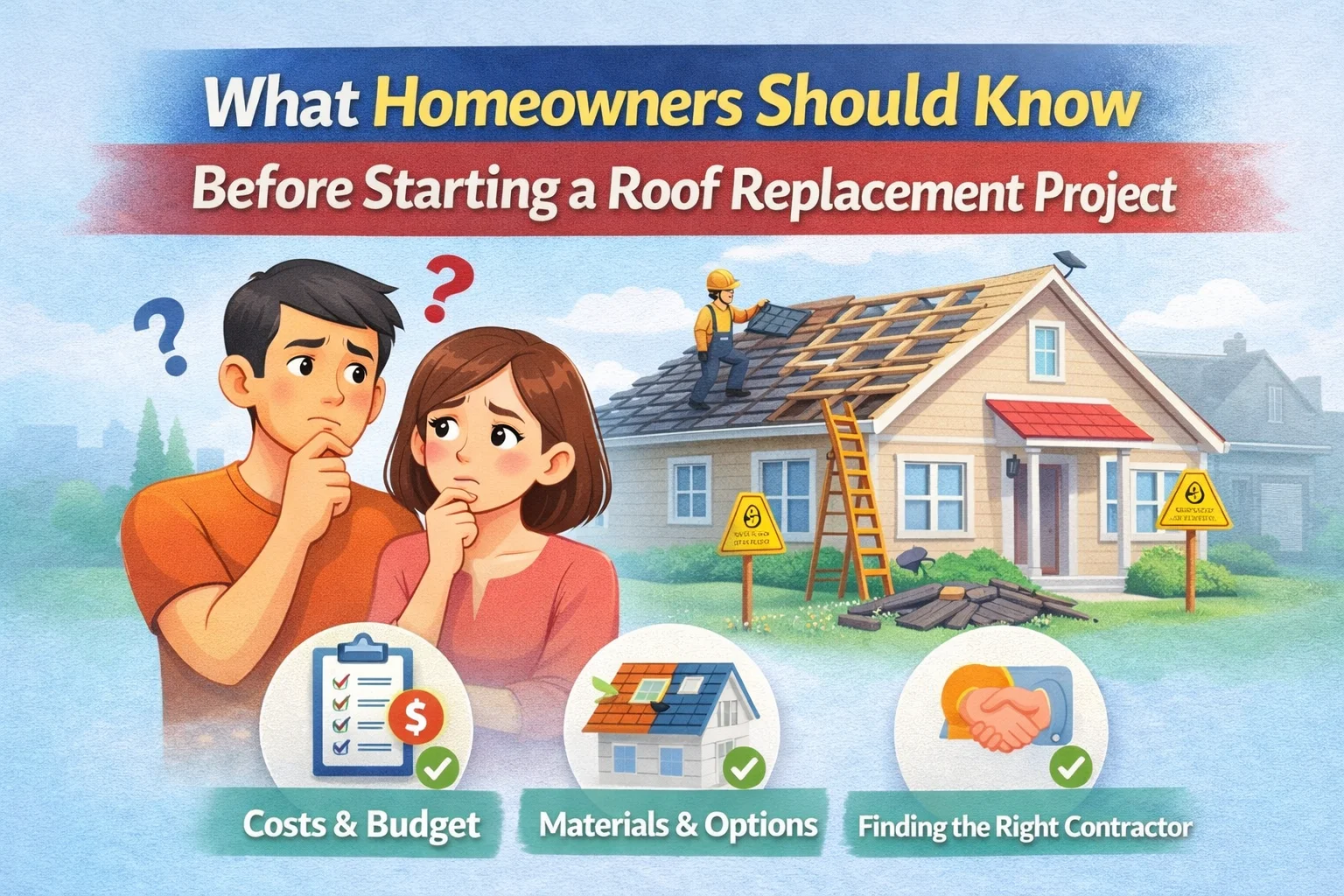
A roof replacement is one of the most significant home improvement projects a homeowner can undertake. While roofs are designed to last for decades, time, weather, and natural wear eventually take their toll. When that time comes, understanding the process and knowing what to expect can make the experience far smoother and less stressful.
Many homeowners only think about their roof when something goes wrong, but proactive planning can save money, reduce headaches, and extend the lifespan of your home’s protective structure. Before starting a roof replacement project, here are several key factors every homeowner should understand.
Why Roof Replacement Matters
Your roof does much more than simply cover your home. It serves as the primary barrier against the elements, protecting your home from rain, wind, sunlight, and temperature changes. A properly functioning roof also plays a role in maintaining energy efficiency and indoor comfort.
Over time, roofing materials deteriorate. Exposure to harsh weather conditions, UV rays, and temperature fluctuations gradually weakens shingles and other roofing components. When damage accumulates beyond simple repairs, replacement becomes the safest and most effective option.
Investing in a new roof protects not only your home but also its long-term value.
Signs It May Be Time for a New Roof
Recognizing the early warning signs of roof deterioration can help you plan a replacement before major damage occurs.
Common indicators include:
- Missing, cracked, or curling shingles
- Dark streaks or moss growth on the roof surface
- Persistent leaks or water stains inside the home
- Sagging areas in the roof structure
- Excessive granules collecting in gutters
- A roof that is more than 20–25 years old
If several of these issues appear at once, it’s often a sign that repairs may no longer be enough.
Understanding the Roof Replacement Process
Many homeowners feel uncertain about what actually happens during a roof replacement. While every project is slightly different, the general process follows a similar structure.
1. Inspection and Assessment
The first step involves a thorough inspection of the existing roof. Contractors evaluate the condition of shingles, flashing, decking, ventilation, and structural components.
This assessment helps determine whether a full replacement is necessary or if targeted repairs could extend the roof’s life.
2. Removing Old Roofing Materials
If replacement is required, the existing shingles and underlayment are removed to expose the roof decking. This step allows contractors to identify hidden damage such as wood rot or moisture problems.
3. Structural Repairs if Needed
Any damaged decking or structural elements are repaired before installing new materials. This ensures the new roof has a strong and stable foundation.
4. Installing the New Roofing System
The new roofing system typically includes several layers:
- Underlayment for moisture protection
- Flashing around chimneys, vents, and edges
- Starter shingles along roof edges
- The main roofing material (often asphalt shingles)
- Ridge caps for ventilation and protection
Each layer plays an important role in protecting the home.
5. Final Inspection and Cleanup
Once installation is complete, contractors inspect the finished roof and clean the surrounding area. Nails, debris, and leftover materials are removed to ensure your property is left in good condition.
Choosing the Right Roofing Materials
Roofing materials come in several varieties, each offering unique advantages. The most common option for residential homes is asphalt shingles, which provide durability, affordability, and relatively easy installation.
However, other materials may also be considered depending on climate, budget, and aesthetic preferences.
Popular roofing options include:
- Asphalt shingles
- Metal roofing
- Architectural shingles
- Composite roofing materials
- Tile or slate systems
Each type varies in cost, lifespan, and maintenance requirements.
The Importance of Proper Roof Ventilation
One aspect of roofing that many homeowners overlook is ventilation. A well-ventilated attic allows heat and moisture to escape, helping maintain a balanced indoor temperature and preventing structural damage.
Poor ventilation can lead to problems such as:
- Mold growth
- Ice dams in colder climates
- Premature shingle deterioration
- Higher energy costs
Ensuring proper airflow through ridge vents, soffit vents, and attic ventilation systems can significantly improve roof performance.
Preparing Your Home for a Roof Replacement
Before installation begins, there are a few simple steps homeowners can take to make the process smoother.
Consider the following preparation tips:
- Move vehicles away from the driveway
- Cover items stored in the attic to protect from dust
- Secure fragile items on walls and shelves
- Inform neighbors about upcoming construction noise
- Keep pets safely indoors during work hours
These small preparations can help minimize disruption during the project.
Why Working With Experienced Professionals Matters
Roof replacement is not a simple DIY project. Proper installation requires technical expertise, safety training, and specialized equipment. Even small mistakes can lead to leaks, structural issues, or reduced roof lifespan.
Working with experienced professionals ensures that the roofing system is installed correctly and built to withstand years of weather exposure. Homeowners researching options may explore reputable providers offering Peachtree City residential roofing services to better understand what professional roofing support can include during a replacement project.
Long-Term Maintenance After Installation
Once a new roof is installed, routine maintenance can help extend its lifespan and prevent unnecessary repairs.
Recommended maintenance practices include:
- Annual roof inspections
- Clearing debris from gutters and valleys
- Trimming nearby tree branches
- Checking flashing around vents and chimneys
- Addressing small issues before they grow larger
With proper care, many modern roofing systems can last decades.
Final Thoughts
A roof replacement is a major investment, but it’s also one of the most important upgrades a homeowner can make. A well-installed roof protects your home from the elements, improves energy efficiency, and enhances overall property value.
Understanding the replacement process, recognizing warning signs of roof failure, and working with qualified professionals can make the entire project far more manageable. By approaching the project with preparation and knowledge, homeowners can ensure their new roof provides reliable protection for many years to come.