Tourism marketing has undergone a dramatic transformation in recent years. Travelers no longer rely solely on glossy brochures or static website galleries to choose their next destination—they expect rich, immersive experiences that let them feel a place before they arrive. This shift presents a fundamental challenge for marketers: traditional photography and video, however polished, often fall short of conveying the true scale, atmosphere, and spatial beauty of a location. A flat image of a cathedral interior or a drone clip of a coastline can inspire, but it cannot fully immerse. This is where 3D Lidar scanning enters the picture as a game-changing solution. By capturing millions of precise data points, Lidar technology generates detailed, interactive three-dimensional models and stunning panoramic images that invite potential visitors to explore destinations virtually. The result is content that doesn’t just show a place—it transports the viewer there. For tourism marketers seeking tools that combine visual impact with practical portability and design excellence, 3D Lidar scanning offers a compelling answer to modern content demands.
Beyond Photos: The Transformative Power of 3D Lidar for Destination Marketing
3D Lidar scanning works by emitting thousands of laser pulses per second, measuring the time each pulse takes to bounce back from surrounding surfaces. This process generates a dense “point cloud”—millions of spatial coordinates that together form an extraordinarily precise digital replica of any environment. Unlike traditional photography, which captures light and color on a flat plane, Lidar records depth, dimension, and spatial relationships with millimeter-level accuracy. The result is a true digital twin: a navigable, measurable, and visually rich representation of a real-world location.
For destination marketers, this capability unlocks an entirely new category of content. Instead of asking audiences to imagine the grandeur of a Gothic cathedral from a single photograph, you can offer them an interactive 3D tour where they control their perspective, zoom into architectural details, and appreciate the soaring height of vaulted ceilings. These digital twins can be transformed into immersive panoramic images suitable for websites, social media carousels, and virtual reality headsets. Travel agencies gain unique assets they can embed directly into booking platforms, giving prospective travelers a genuine sense of space and atmosphere before committing to a trip.
The marketing impact is measurable. Websites featuring interactive 3D content consistently report higher engagement metrics—visitors spend more time exploring, click through more pages, and convert at higher rates. Social media campaigns built around immersive visuals generate stronger shares and comments compared to static imagery. For tour operators competing in crowded digital spaces, Lidar-generated content provides differentiation that flat media simply cannot match, turning passive scrollers into active planners.
Crafting Immersive Experiences with Panoramic Images and Models
Panoramic images derived from Lidar data stand apart from conventional 360-degree photography because they carry geometric precision alongside visual fidelity. When rendered from point cloud data, these panoramas allow potential visitors to virtually step inside a location and look in every direction with consistent clarity and accurate proportions. There’s no lens distortion, no stitching artifacts—just a seamless window into the destination as it truly exists. These images work beautifully as hero content on landing pages, within Google Street View integrations, and as shareable social media assets that stop thumbs mid-scroll.
The 3D models themselves open further possibilities. A heritage site can offer virtual walkthroughs that guide users through centuries-old corridors, complete with informational hotspots explaining historical significance. Hotel properties leverage detailed room models so guests can evaluate suite layouts, window views, and amenity placement before booking. Natural landmarks—caves, canyon formations, botanical gardens—become accessible to mobility-impaired visitors or those planning itineraries from thousands of miles away. When paired with AR and VR platforms, these models transform marketing materials into experiential previews, building emotional connection and purchase intent simultaneously.
Portability and Design Excellence: Taking Your Scanner Anywhere
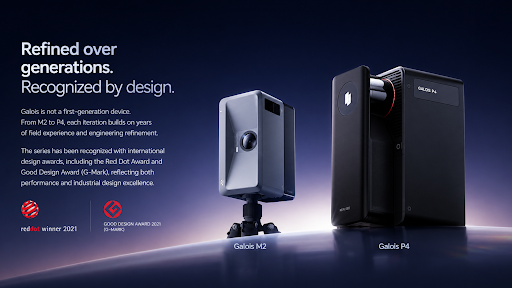
Tourism destinations rarely exist in convenient, controlled environments. The locations that most captivate travelers—mountain overlooks, ancient ruins perched on hillsides, narrow medieval alleyways, remote coastal formations—are precisely the places that challenge bulky, complex equipment. For marketing teams tasked with capturing these spaces, the scanner they carry matters as much as the technology inside it. A device that weighs just 2.6 kg changes the calculus entirely. At that weight, a single operator can trek to a hilltop monastery, navigate the uneven floors of a centuries-old castle, or hike into a canyon without fatigue compromising the quality or quantity of scans captured in a single day.
Design excellence in this context extends well beyond aesthetics. It means intuitive interfaces that allow operators to begin scanning within minutes of arrival, minimizing disruption at busy tourist sites where crowds and changing light conditions demand efficiency. It means rugged construction that withstands dust, humidity, and the occasional bump inherent to fieldwork in unpredictable outdoor settings. Quick setup times translate directly into productivity—a team that can complete a heritage building scan in hours rather than days reduces project costs and logistical complexity significantly.
For tourism marketing departments operating with lean budgets and tight timelines, these practical considerations determine whether 3D scanning remains aspirational or becomes a routine part of their content strategy. A portable, well-designed scanner empowers small teams to build libraries of immersive content across multiple locations without requiring specialized technicians or elaborate support infrastructure. The technology becomes accessible enough to deploy seasonally, capturing destinations in spring bloom, autumn color, or winter snow—each version offering fresh marketing material that keeps audiences engaged year-round.
Real-World Usage: Case Studies and Applications in Tourism
The real-world usage of 3D Lidar scanning in tourism marketing is already demonstrating measurable results across diverse contexts. Consider how a national park might deploy this technology: by scanning trail networks, geological formations, and visitor centers, the park creates an interactive 3D map that allows prospective hikers to evaluate terrain difficulty, preview scenic viewpoints, and plan routes before arriving. This digital asset serves both as a marketing tool—drawing adventure seekers who can visualize the experience—and as a practical planning resource that reduces on-site confusion and improves visitor satisfaction. Parks implementing such solutions have observed longer average session durations on their websites and increased trail permit reservations.
A city tourism board faces a different challenge: communicating the charm of winding historic districts that photographs flatten into forgettable snapshots. By scanning entire streetscapes and landmark interiors, the board assembles a virtual heritage tour where users navigate cobblestone lanes, enter restored medieval buildings, and discover hidden courtyards at their own pace. This content becomes a centerpiece for international marketing campaigns, particularly effective for attracting cultural tourists who invest significant research before committing to long-haul travel. The immersive format conveys neighborhood character in ways that written descriptions and photo galleries cannot replicate.
Resort properties apply the technology with more immediate commercial intent. By creating immersive 360-degree views of suites, spa facilities, dining terraces, and pool areas, resorts embed these assets directly into their booking engines. Platforms like Realsee have demonstrated how digital twin technology can be integrated seamlessly into property showcases, allowing guests selecting rooms to explore exact layouts, assess natural light at different times of day, and confirm ocean views match promotional claims. Properties using this approach report measurably higher conversion rates on premium room categories, as the transparency builds confidence that justifies elevated pricing. Across all three scenarios, the pattern holds: immersive Lidar-generated content transforms passive browsing into active decision-making, shortening the gap between inspiration and booking.
Implementing 3D Lidar Solutions: A Step-by-Step Guide for Tourism Marketers
Turning 3D Lidar scanning from an intriguing concept into a functioning part of your marketing workflow requires deliberate planning. The following framework helps tourism marketers move from initial interest to deployed immersive content with minimal friction and maximum return.
Begin by defining your project goals with precision. Are you creating a single panoramic image for a landing page hero section, a full virtual walkthrough of a heritage property, or a library of 3D models spanning an entire destination region? Each output demands different scope, timeline, and budget considerations. A resort needing immersive room views operates on a fundamentally different scale than a national tourism board documenting an entire historic district. Clarifying deliverables upfront prevents scope creep and ensures every scan session serves a defined marketing purpose.
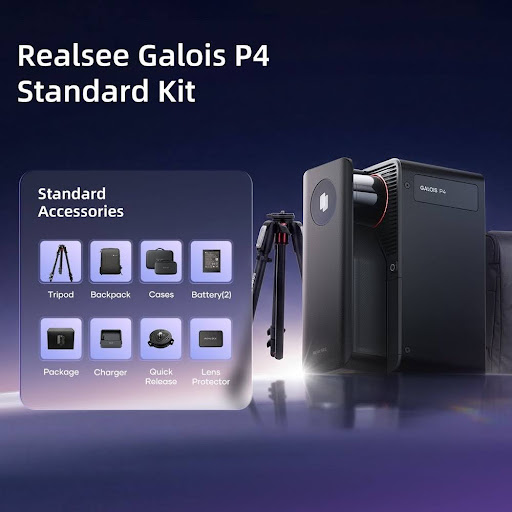
Next, select your equipment and team. Prioritize scanners offering the portability your locations demand—a device weighing 2.6 kg allows a single operator to cover remote or physically challenging sites without support crews. Evaluate accuracy specifications against your content needs, and confirm that accompanying software supports your intended output formats. For teams without in-house expertise, partnering with experienced scanning service providers for initial projects builds institutional knowledge before investing in owned equipment.
On-site data capture requires advance planning. Scout locations to identify optimal scan positions, anticipate crowd patterns at public sites, and schedule sessions during favorable weather and lighting windows. Register multiple scan positions with sufficient overlap to ensure seamless point cloud registration during processing.
Post-capture, raw point cloud data undergoes registration, cleaning, and rendering. Processing software stitches individual scans into unified models, from which you extract panoramic images, virtual tour pathways, and exportable 3D assets. Color mapping and annotation add marketing polish—informational hotspots, branded overlays, and guided navigation paths transform technical data into compelling visitor-facing content.
Finally, deploy strategically. Embed virtual tours directly into booking engines where conversion happens. Distribute panoramic images across social channels optimized for each platform’s format requirements. Share 3D models with travel agency partners and integrate with Google Street View for organic discovery. Track engagement metrics from launch day, using session duration, interaction rates, and booking attribution to quantify return and justify expanded scanning programs across additional properties and seasons.
Embracing 3D Lidar Scanning as a Strategic Tourism Marketing Asset
3D Lidar scanning represents far more than a technological novelty—it is a strategic marketing asset that fundamentally reshapes how tourism destinations communicate their value to prospective visitors. The ability to generate immersive panoramic images, navigable 3D models, and interactive virtual tours gives marketers content that transcends the limitations of flat photography and conventional video. These outputs don’t merely display a destination; they invite audiences to experience it, building the emotional connection that drives booking decisions.
The practical advantages of modern scanning hardware make this technology genuinely accessible to tourism marketing teams of all sizes. Lightweight portability—devices weighing as little as 2.6 kg—means a single operator can capture remote beaches, mountain trails, and cramped historic interiors without logistical headaches. Design excellence ensures that intuitive operation and rugged construction keep projects on schedule regardless of field conditions. These characteristics transform 3D Lidar scanning from a specialized luxury into a repeatable, scalable content strategy deployable across seasons and locations. As travelers increasingly demand richer digital previews before committing their time and money, destinations that embrace immersive 3D content will consistently outperform competitors still relying on static imagery alone. The gap between those who adopt and those who wait will only widen.